Playa Hermosa Costa Rica: Things to Do Beyond Surfing
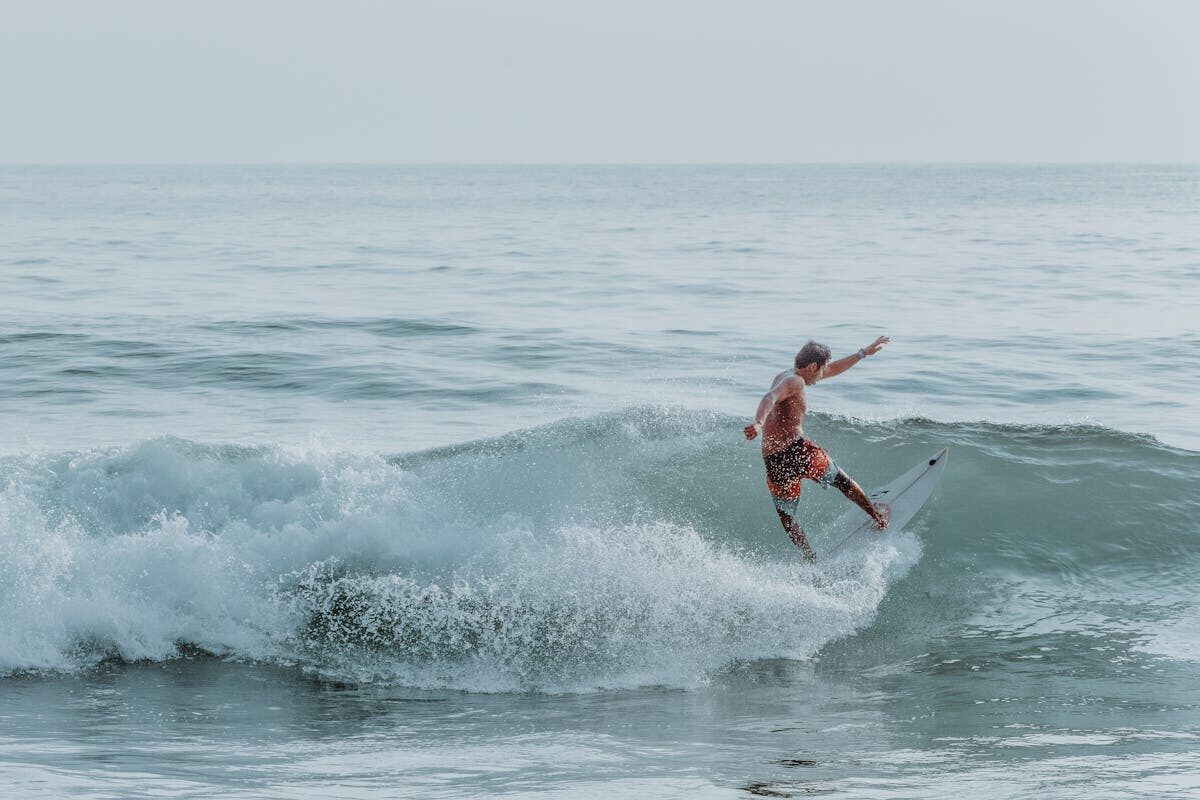
Most people who look up Playa Hermosa end up reading about the waves. The championship surf breaks, the World Surfing Reserve designation, the powerful swells that roll in from the Pacific and send casual beachgoers sprinting for dry sand. That’s a fair description of the place, but it’s about half the picture.
Playa Hermosa sits in one of the densest wildlife corridors on Costa Rica’s Pacific coast. Carara National Park is about 20 minutes north. Olive ridley sea turtles nest here from August through December. Scarlet macaws cross overhead most mornings. And Jacó, with its restaurants, nightlife, and supermarkets, is 5 minutes north if you need to restock or find a crowd.
If you’re traveling with a non-surfer, or you simply want a few days that don’t revolve around waves, here’s where to put your time.
Where to Stay: Playa Hermosa’s Neighborhoods
Playa Hermosa runs 7 kilometers along the coast and breaks down into three loose zones. Where you stay changes what you’re close to and what the vibe feels like.
North End (Near Jacó): The north end sits closest to Jacó town, which means you’re 3-5 minutes from supermarkets, restaurants, ATMs, and the developed infrastructure most visitors eventually need. This area works well for families who want easy access to groceries and dining options without sacrificing the quieter Hermosa atmosphere. The surf here can be good but tends to be less consistent than the central breaks. Parking is easier along this stretch.
Central Zone (Main Beachfront): This is where most of the beachfront hotels, restaurants, and surf breaks are concentrated. Backyard Bar, Fuego del Sol, and Café Bohío all sit in this zone. The beach is steps away, scarlet macaws fly over most mornings, and you’re surrounded by the core surf community. This is the social center of Playa Hermosa. Best for couples and surfers who want to be in the middle of everything without the crowds of Jacó.
South End (Toward the Wildlife Refuge): The southern section gets quieter and more residential as you approach the Playa Hermosa-Punta Mala Wildlife Refuge boundary. This area attracts sea turtles during nesting season (August-December) and offers more seclusion. Properties here tend to be rental homes rather than hotels. Best for visitors prioritizing wildlife watching, privacy, and access to turtle tours. You’ll drive north for restaurants and most services.
For families with young kids: North end for proximity to Jacó’s conveniences, or choose a property with a pool since the ocean here is not swimmable due to strong currents.
For couples: Central zone for sunset walks, beachfront dining, and the authentic surf-town atmosphere.
For serious surfers: Central or south end to be near the most consistent breaks and the heart of the surf scene. Read our Central Pacific surfing guide for detailed surf spot breakdowns.
For wildlife enthusiasts: South end during turtle season (August-December), or central zone for easy access to Carara National Park 20 minutes north.
When to Visit: Seasonal Breakdown
Playa Hermosa works year-round, but the experience changes depending on when you arrive. Here’s what each season brings.
Dry Season (December–April)
This is peak tourist season along Costa Rica’s Pacific coast. The weather is reliably sunny, humidity stays low, and afternoon rains are rare. Temperatures run 85-95°F most days with cool mornings and comfortable evenings.
Surf conditions: Waves during dry season tend to be smaller and more manageable, making this the best window for beginner and intermediate surfers. Consistency is still excellent, but you won’t see the massive swells that roll in during rainy season. December through April is also when international surf competitions happen at Playa Hermosa.
Wildlife: Scarlet macaws are visible year-round at Carara, but dry season offers clearer trails and better birdwatching conditions. Sea turtle nesting tapers off by December, so if turtles are a priority, aim for the rainy season months instead.
Crowds and pricing: This is high season. Accommodations book up weeks in advance, especially around Christmas, New Year’s, and Easter. Prices are 20-40% higher than rainy season. If you’re traveling during dry season, reserve your rental early.
Best for: Families with kids, first-time visitors to Costa Rica, anyone prioritizing guaranteed sunshine, and beginner surfers.
Rainy Season / Green Season (May–November)
Rainy season gets a bad reputation it doesn’t deserve. Mornings are typically clear and sunny through 1 or 2 PM, then afternoon thunderstorms roll in, last 1-3 hours, and clear out by evening. This pattern is reliable enough to plan around. The landscape turns intensely green, waterfalls run full, and wildlife activity increases.
Surf conditions: May through November brings bigger, more powerful swells to Playa Hermosa. This is when the beach lives up to its World Surfing Reserve status. Advanced surfers target these months for overhead to double-overhead waves. If you’re a beginner, the surf can be intimidating during this window. For a detailed month-by-month surf breakdown, check out our Playa Hermosa surf guide.
Wildlife: This is turtle season. Olive ridley sea turtles nest from August through December, with peak activity in October and November for hatchling releases. Birdwatching is exceptional during rainy season—more insects mean more birds, and the forest canopy is full of activity. Our Central Pacific wildlife guide covers what to expect during each season.
Crowds and pricing: Far fewer tourists. Accommodations drop prices by 20-40%, and you’ll have restaurants, beaches, and trails largely to yourself. Morning activities (Carara hikes, beach walks, turtle tours) still happen in clear weather.
Best for: Advanced surfers, wildlife photographers, budget-conscious travelers, and anyone who wants to see sea turtles. Also ideal if you prefer fewer crowds and don’t mind planning your day around afternoon rains.
Shoulder Months (November and early December)
Late November and early December sit in a sweet spot. The heavy rains are tapering off, prices haven’t jumped to peak-season levels yet, and you might still catch the tail end of turtle nesting. Mornings are clear, surf is still good, and Carara is less crowded than it will be in January.
Best for: Visitors who want the best of both seasons and can be flexible with dates.
For more on planning around Costa Rica’s seasons across the entire country, read our best time to visit Costa Rica guide.
Sea Turtle Nesting: A Front-Row Seat to Something Rare
Between August and December, olive ridley sea turtles come ashore at Playa Hermosa to lay their eggs. The beach is part of the Playa Hermosa-Punta Mala Wildlife Refuge, an officially protected nesting site managed by ACOPAC (Costa Rica’s Central Pacific Conservation Area). During peak season (October and November for hatchlings), you can witness one of the more quietly astonishing things that happens on the Central Pacific coast.
Guided nighttime turtle tours run through local conservation groups and tour operators in the area. Guides position small groups at active nest sites and use red-light flashlights to avoid disorienting the turtles. Tours typically cost $35–55 per person and run 1.5–2 hours. Group sizes are capped, so book ahead during October and November.
Baby turtle releases happen at dawn when nests hatch. The timing is unpredictable (you’re working around nature), but local operators and refuge staff often announce these on short notice. Ask at your accommodation — anyone who has been managing the area for a season will know how to connect you with the right people.
Best time: August–December for nesting adults; October–November for hatchling releases. Night tours are your best bet for turtle sightings.
Carara National Park: 20 Minutes North, Hours of Payoff
Carara is about 20–25 minutes north of Playa Hermosa on the Costanera Sur. The park protects one of the last remaining patches of transitional forest on Costa Rica’s Pacific coast: a zone where humid Caribbean-type ecosystems meet drier Pacific ones, which is why the wildlife density here is exceptional.
Scarlet macaws are the main draw. Carara has the second-largest nesting population of scarlet macaws in Costa Rica, and they’re reliably visible at dawn and late afternoon when they fly between roost sites. You don’t need to hike deep into the park: the Sendero Acceso Universal (the main accessible trail, flat and paved, about 1.2 km) often produces macaw sightings before you reach the first river crossing. This trail is wheelchair accessible and perfect for families with young kids or visitors with limited mobility.
The Río Tárcoles trail runs along the river and is prime habitat for herons, kingfishers, crocodiles, and waterbirds. This is a dirt trail (not paved) and can be muddy during rainy season, but it’s where serious birdwatchers spend their time. Wildlife density is highest in the morning before heat and tourist traffic pick up.
Guided vs. self-guided: You can explore Carara on your own, but a naturalist guide makes a massive difference. Guides spot wildlife you’d walk past (camouflaged frogs, motmots, sloths in the canopy), carry spotting scopes for close-up views, and know where macaws are nesting. Guided tours cost $40-60 per person (on top of the park entry fee) and run 2-3 hours. Most guides wait at the park entrance in the early morning and can be hired on the spot, but booking in advance through your accommodation is more reliable.
What to bring: Water (it gets hot and humid), insect repellent, binoculars if you have them, and a camera. Wear closed-toe shoes with good traction—trails can be slippery. Lightweight, long-sleeved shirts help with sun and bugs.
Entry costs $10 + tax per person for international adult visitors (children 5-12 are $5 + tax; under 2 are free). Plan 2-3 hours for a proper visit, or more if you’re serious about birdwatching and want to cover multiple trails.
Important: Tickets must be purchased in advance through the SINAC website (serviciosenlinea.sinac.go.cr) before your visit. Walk-in entry is not guaranteed. Buy tickets the day before at the latest. The system can be glitchy, so don’t wait until the morning of your visit.
Hours: 7 AM-4 PM during dry season (December-April); 8 AM-4 PM during rainy season (May-November). Arrive at opening time for the best wildlife activity and cooler temperatures. If you’re visiting during turtle season (August-December), plan for the later 8 AM opening.
For a complete guide to visiting Carara, including trail maps, what wildlife to expect, and how to maximize your visit, read our Carara National Park guide.
The Crocodile Bridge at Río Tárcoles
You pass it on the way to Carara. Most people stop even if they weren’t planning to.
The bridge over the Río Tárcoles sits on the highway between Playa Hermosa and Carara, and on any given day, 20–40 American crocodiles are visible in the water below. These are large animals (adults run 12–15 feet). They’re not doing anything dramatic. They’re basking in the shallow water and looking like they have nowhere to be. Pull over, walk to the railing, look down.
Parking on the side of the highway is free. The whole thing takes 15–20 minutes and costs nothing. Some crocodiles come up very close to the bank directly below the bridge; binoculars aren’t necessary. Kids find it improbably exciting. Adults do too.
Logistics: Stop here on the way to or from Carara and you’ve added essentially no time to your day. It’s the same road.
Birdwatching: Scarlet Macaws and More
Playa Hermosa sits inside the wildlife corridor between Carara and Manuel Antonio, which means birdwatching is genuinely good without any effort. Scarlet macaws fly over in pairs most mornings. Herons stalk the river mouths at low tide. Toucans appear in the canopy behind the beachfront properties. Brown pelicans cruise the surf line constantly.
Serious birders should bring binoculars and allocate at least one morning to Carara (see above) for access to a much wider species list: motmots, trogons, antbirds, and dozens of forest species the beach doesn’t offer.
Casual birders can simply have coffee on a beachfront terrace and watch. The macaws tend to cross the beach around 6–7 AM moving inland, and again around 4–5 PM heading back to roost. You don’t need a guide for this; you just need to be awake.
Best time: Early morning (6–9 AM) and late afternoon (4–6 PM) for most species activity.
Horseback Riding on the Beach
Several local operators run horseback rides on Playa Hermosa itself and on the quieter beach sections south of town. A standard 2-hour beach ride costs $60-80 per person and covers a stretch of black sand with views of the Pacific and forest-backed coastline. Sunset rides (4:30-6:30 PM) tend to book out first.
Most operators are small local outfits rather than large tour companies. Ask at your accommodation for recommendations—the operators worth using tend to be the informal ones, the families who’ve been doing this for years and know the beach well. Some tours combine beach riding with forest trails that climb into the hills behind the beach for elevated ocean views.
What to expect: Rides are typically suitable for all experience levels, including beginners. Horses are well-trained and accustomed to the beach environment. Guides lead at a walk or slow trot depending on the group’s comfort level. Wear closed-toe shoes (sneakers work fine), bring sunscreen, and wear clothes you don’t mind getting sandy or wet if the horses wade into shallow water.
Booking: Most horseback tours need to be arranged at least one day in advance. Your property manager can usually set this up for you, or you can book directly with operators in Jacó who serve the Playa Hermosa area. Some beach hotels (like The Backyard or Fuego del Sol) can also connect you with reliable operators.
Best time: Early morning (7-9 AM) for cooler weather and fewer people on the beach. Late afternoon (4-6 PM) for the light and sunset views. Midday sun makes it uncomfortable for riders and horses alike, especially during dry season.
Yoga and Wellness
Playa Hermosa has a small but genuine yoga scene. The energy here leans toward the serious: smaller groups, jungle settings, and ocean views without the Instagram-retreat performance you find in places that have made wellness their entire brand. Morning flow classes and evening restorative sessions are the most common formats.
Vida Asana is a jungle yoga retreat center located close to Playa Hermosa beach, about 90 minutes from SJO. They offer multi-day retreats, yoga teacher trainings, and drop-in classes for visitors staying in the area. The setting is lush tropical forest with ocean proximity, and the facility focuses on traditional yoga practice in a natural environment. Classes run in an open-air studio surrounded by jungle canopy. If you’re interested in a full retreat experience (accommodation + daily yoga + meals), this is one of the established options near Playa Hermosa.
Hermosa Beach House offers beachfront yoga and meditation with classes held on an ocean-view deck. The format is typically part of multi-day retreat packages that include lodging, daily yoga and meditation, transportation, and additional activities like rainforest hikes and cacao ceremonies. Good for visitors who want a structured wellness experience with yoga as the centerpiece.
Drop-in classes: Several individual instructors in the Playa Hermosa and Jacó area offer private or semi-private yoga sessions. Ask at your accommodation—most property managers know which instructors are active and can arrange a session at your rental or on the beach. Expect $20-40 per person for a private session, less for small group classes.
Jacó yoga studios: If Playa Hermosa doesn’t have what you’re looking for, Jacó (5 minutes north) has additional studios offering daily drop-in classes. The selection is wider, and you’ll find everything from power vinyasa to yin and restorative formats.
For more on what the Central Pacific yoga scene looks like, including where to find classes, what to expect from retreat-style programs, and how to combine wellness with a Costa Rica vacation, read our yoga and wellness retreats guide for the Central Pacific. The yoga activity page also covers class formats, what to bring, and pricing across the region.
Price range: Drop-in classes run $15-25. Multi-day passes at studios cost $50-80 for 5 classes. Private beach sessions with an instructor: $30-50 per person.
Beach Walks and Tide Pools
Playa Hermosa runs about 7 kilometers from the north end (near Jacó) to the south end (where the Playa Hermosa-Punta Mala Wildlife Refuge begins). On most mornings outside competition weekends, you can walk for 20-30 minutes in either direction without reaching the end or hitting a crowd. The beach is wide, the sand is dark volcanic (hot underfoot by midday), and the water is a consistent warm blue-green.
Tide pools at the south end: At low tide, the exposed rock formations at the southern section reveal a small tide pool ecosystem. You’ll find sea urchins, small crabs, anemones, hermit crabs, and occasionally a trapped fish or starfish in the shallow pools. Kids find this endlessly entertaining. Worth timing a walk to low tide at least once. A quick Google search for “Playa Hermosa Costa Rica tide chart” the night before gives you exact timing. Bring water shoes if you plan to walk on the rocks—they can be slippery and sharp.
Best times to walk: Early morning (6-8 AM) before the sun gets intense, or late afternoon (4-6 PM) when the light softens and the temperature drops. Midday walks are brutal during dry season. The beach has almost no shade, so bring a hat and water if you’re walking for more than 20 minutes.
Sunrise walks: Sunrise on the beach (around 5:30-6 AM depending on the season) is worth setting an alarm for. Almost nobody is out, the light hits the water at an angle that makes the whole place look unreal, and the birds are active. Scarlet macaws often cross overhead during this window heading inland for the day. Bring coffee from your rental and walk north toward Jacó for a full circuit before the day heats up. The walk from central Playa Hermosa to Jacó beach is about 30-40 minutes one way.
Safety reminder: The water at Playa Hermosa has strong currents, riptides, and powerful waves. This is a surf beach, not a swimming beach. Stay out of the water unless you’re an experienced surfer or bodyboarder. Kids should be supervised closely near the waterline.
Where to Eat: Playa Hermosa’s Dining Scene
The food scene at Playa Hermosa is small, and better than it has any right to be given the size of the place. You have a handful of solid options directly on the beach, and Jacó is 5 minutes away when you want more variety.
Beachfront Restaurants
Café Bohío sits on the Costanera Sur, steps from the ocean, and is where locals and visitors go for coffee and brunch. They roast their own beans (their main location has been in Jacó since 2012), bake sourdough, and serve pressed sandwiches, pastries, and acai bowls alongside strong espresso drinks. Brunch runs 8 AM to 1 PM. The space is airy, tropical, and the kind of place you settle into for an hour after a morning at Carara. Expect $8-15 per person for breakfast. They also sell bags of their house-roasted coffee if you want to bring some back to your rental.
Backyard Bar is the social center of Playa Hermosa. Open-air, directly on the sand, with cold Imperial beers, surf videos on screens, and straightforward bar food: burgers, fish tacos, nachos, ceviche. Food runs $10-20 per person. The vibe is relaxed surf community—board shorts, no shoes, tables that fill up slowly throughout the afternoon as people wander in from the water. Live music happens on weekends. This is where everyone ends up at sunset, and it’s the right call. The bar is part of The Backyard Hotel, one of the longstanding surf lodges on the beach.
Fuego del Sol is a beachfront hotel with an on-site restaurant that serves breakfast, lunch, and dinner with ocean views. The menu leans international with local ingredients: fresh fish, tropical cocktails, and produce-driven dishes. The ambiance is casual but a step up from Backyard Bar. Good for a sit-down dinner when you want something more than bar food but don’t feel like driving to Jacó. Dinner runs $15-30 per person. The restaurant sits right on the beach, so you can watch the surf while you eat.
Terrazas (sometimes called Terrazas Beachfront Restaurant) is your upscale option in Playa Hermosa. Fresh fish, ceviche, rice and seafood dishes, grilled meats, and a decent wine list. The setting is open-air with beach views, and the kitchen takes food seriously without tipping into fussy. Dinner for two with drinks runs $50-80. It fills up on weekends, so reservations help. Walk-ins work fine on weekdays.
Quick Bites and Sodas
There are a few roadside sodas (local Costa Rican diners) along the Costanera Sur between Playa Hermosa and Jacó. These are cash-only, no-frills spots serving casados (traditional rice, beans, protein, and salad plates) for $5-8. The food is simple, filling, and what locals eat for lunch. Don’t expect English menus or ambiance, but the quality is solid.
Jacó for More Options
Playa Hermosa works great for a few meals, but Jacó is 5 minutes north if you want variety. The town has 50+ restaurants, from $4 ceviche at beachside stands to proper steakhouses, sushi, Italian, and farm-to-table spots. There’s also a Más x Menos supermarket for groceries, and AutoMercado (20 minutes north in Playa Herradura) if you want premium ingredients and imported goods.
The Jacó farmers market runs every Friday from 6 AM to 2 PM next to the Garabito Clinic. It’s where most locals do their weekly fruit and vegetable shopping, and prices are better than the supermarkets. If your dates line up, it’s worth stopping.
For a full breakdown of where to eat in the region, check out our Central Pacific dining guide.
Jacó for Nightlife, Shopping, and Anything Else
Playa Hermosa is quiet. That’s the point. But Jacó is five minutes up the Costanera Sur if you need more.
Jacó has supermarkets (Más x Menos for everyday groceries), a pharmacy, multiple ATMs, the region’s main surf shops, and a strip of restaurants and bars that runs well past midnight on weekends. If you want premium produce and imported goods, AutoMercado is about 20 minutes north in Playa Herradura, near the Los Sueños resort entrance. The Jacó farmers market runs every Friday from 6 AM to 2 PM next to the Garabito Clinic; it’s where most locals do their weekly fruit and vegetable shopping and worth stopping at if your dates line up.
The calculus most people run: stay in Playa Hermosa for the quiet, the turtles, the surf-town energy, and the breathing room. Drive to Jacó when you need a big grocery run, want to eat somewhere new, or feel like a night out. The two places complement each other well. For more on what Jacó offers, the Jacó destination guide covers the town in detail.
How to Stack a Day
The most satisfying days in Playa Hermosa tend to follow a loose rhythm:
6:00 AM: Coffee on the beach. Watch for macaws crossing inland. Walk north for 20 minutes and back.
7:00 AM (dry season) / 7:30 AM (rainy season): Drive to Carara National Park. Stop at the Tárcoles bridge on the way. Remember: tickets must be purchased in advance on serviciosenlinea.sinac.go.cr. Spend 2–3 hours in the park while the wildlife is active and the trails are uncrowded.
10:30 AM: Return south. Brunch at Café Bohío if you’re ready to eat, or pick up groceries in Jacó if you’re cooking.
12:30 PM: Return to the beach. Tide pool walk at low tide, a yoga class if the afternoon schedule lines up, or a proper siesta.
5:30 PM: Horseback ride at sunset (book a day ahead) or walk south along the beach as the light drops.
7:30 PM: Dinner at Terrazas or Backyard Bar with drinks, or drive to Jacó for more options.
If it’s turtle season (August–December): ask about evening turtle tours at your accommodation. A good night tour runs 7–9 PM and goes on after dinner. That’s a full day that doesn’t involve surfing once. You’ll sleep well.
Getting There and Getting Around
Driving from San José
Playa Hermosa is approximately 1 hour 50 minutes from Juan Santamaría International Airport (SJO) in San José. The drive is straightforward and the roads are fully paved.
The route: From SJO, take Route 27 (also called Autopista del Sol or the Caldera Highway) west toward the coast. You’ll pay one toll at Pavón (around $3-4, cash or card accepted). After the toll booth, continue west until you hit the coast, then take the Costanera Sur highway south. Follow signs toward Jacó and Playa Hermosa. The turnoff for Playa Hermosa is well-marked, about 5 minutes south of Jacó’s main strip.
Driving tips:
- Stop at the Crocodile Bridge (Río Tárcoles): This is on Route 27 before you reach the coast. Pull over, walk to the railing, and look down at the crocodiles basking in the river. It takes 15 minutes and costs nothing. Almost everyone stops here.
- Gas up before leaving the San José area or in Jacó. There are gas stations along Route 27, but fewer once you’re south of Jacó.
- Drive during daylight if possible, especially your first time. The highway is safe and well-maintained, but it’s easier to navigate and spot signs in daylight.
- Watch for speed cameras on Route 27. They’re clearly marked, and the speed limit drops in certain zones. Stick to posted limits.
Rental cars: Most international agencies (Budget, Alamo, Enterprise, Adobe) operate out of SJO. Expect $40-65 per day for a standard sedan or small SUV. You don’t need 4WD for Playa Hermosa—the roads are paved. However, if you’re planning side trips to more remote areas (Monteverde, Uvita, or unpaved mountain roads), consider a 4x4.
Shuttles and private transfers: If you don’t want to drive, shared shuttles from SJO to Jacó/Playa Hermosa cost around $50-60 per person and take 2.5-3 hours (they make multiple stops). Private transfers run $120-180 for up to 4 people and go direct. Most vacation rental managers (including us) can arrange transfers in advance.
Public bus: Buses run from San José’s Terminal 7-10 to Jacó for around $5-7 per person, then you’d need a local bus or taxi from Jacó to Playa Hermosa. This works if you’re on a tight budget, but it’s inconvenient with luggage and limits your mobility once you arrive.
For more detailed transportation info, read our how to get to Los Sueños from San José guide—the route and tips apply to Playa Hermosa as well since it’s the same highway.
Getting Around Playa Hermosa
You need a car. Playa Hermosa doesn’t have reliable taxis or Uber. The town is spread along 7 kilometers of coastline, Carara National Park is 20 minutes north, and Jacó (where you’ll go for groceries and dining variety) is 5 minutes away. Without a car, you’re limited to what’s within walking distance of your rental.
Parking: Free and easy. Most beachfront restaurants (Backyard Bar, Café Bohío, Fuego del Sol) have their own parking lots. Street parking along the Costanera Sur is common and safe. Unlike busier beach towns, you won’t circle looking for a spot.
Walking: The beach itself is walkable—7 kilometers of sand—but services are spread out. You can walk from your rental to a nearby restaurant or the beach, but you’ll drive for everything else.
Biking: Some visitors rent bikes in Jacó and use them to cruise between Playa Hermosa and Jacó beach. The Costanera Sur has light traffic and is bikeable, though there’s no dedicated bike lane. Ask your accommodation if they have bikes available.
Practical Notes
When to go: December through April is dry season: sunny, low humidity, consistent weather. May through November is green season: afternoon rains most days, but mornings are typically clear, prices are lower, and turtle season runs peak through this window.
Nesting season overlap: If your dates are July–December, you’ll have the unique chance to combine turtle watching with the wildlife corridor’s wet-season productivity. More birds, more active wildlife, and (if you have flexibility) better odds of a baby turtle release.
What to Pack and Know Before You Go
Bring cash: Many smaller businesses in Playa Hermosa (sodas, roadside fruit stands, some tour operators) only accept cash. There’s an ATM in Jacó, but it’s easier to have colones on hand. U.S. dollars are widely accepted, but you’ll get change in colones.
Sun protection is non-negotiable: The sun at Playa Hermosa is intense, even on overcast days. Reef-safe sunscreen (no oxybenzone or octinoxate) is required by law in Costa Rica and protects the marine ecosystem. Bring a hat, sunglasses, and lightweight long sleeves for extended time outdoors. For a full packing list, check out our Costa Rica packing guide.
Insect repellent: Mosquitoes are active at dawn and dusk, especially during rainy season. Bring DEET-based repellent or picaridin. The jungle areas around Carara and turtle nesting sites at night both require repellent.
Water shoes (optional but useful): The beach is sandy, but rocky areas and tide pools at the south end are easier to explore with water shoes. Not essential, but helpful if you plan to explore beyond the main beach.
Waterproof bag or dry sack: If you’re doing boat tours, beach walks during rainy season, or carrying electronics to the beach, a waterproof bag protects your phone, wallet, and camera.
Bring binoculars for wildlife: Not required, but birdwatching at Carara and spotting macaws from the beach are much better with binoculars. Even a basic pair (8x32 or 10x42) makes a difference.
Spanish basics help: English is spoken at most hotels and tour operators, but less so at local sodas, markets, and smaller businesses. A few Spanish phrases (gracias, por favor, cuánto cuesta) go a long way.
Currency and payments: Most restaurants and hotels accept credit cards, but smaller venues are cash-only. ATMs are available in Jacó. U.S. dollars and Costa Rican colones are both accepted, but colones give you better rates at local businesses.
Cell service and WiFi: Cell service (Kolbi, Claro, Movistar) works well in Playa Hermosa and Jacó. Most vacation rentals and hotels have WiFi, though speeds vary. If you need reliable fast internet for work, confirm speeds with your accommodation in advance.
Safety: Playa Hermosa is safe. Petty theft (unlocked car break-ins, unattended items on the beach) can happen, so lock your car and don’t leave valuables visible. The beach has strong currents and is not safe for swimming—supervise kids closely near the water.
Day Trips from Playa Hermosa
Playa Hermosa sits in the center of the Central Pacific coast, which makes it an excellent base for day trips to nearby destinations.
Manuel Antonio National Park (1 hour south): One of Costa Rica’s most famous parks, with hiking trails, white-sand beaches, and wildlife (monkeys, sloths, iguanas). The park entrance fee is $18 per adult and must be purchased online in advance. Plan a full day—drive early to avoid crowds. For more on Manuel Antonio, read our day trip from Jacó to Manuel Antonio guide.
Monteverde Cloud Forest (3 hours northeast): A long day trip, but doable if you leave early. Monteverde offers hanging bridges, cloud forest hikes, and night wildlife tours. The drive is part mountain roads, but the scenery is worth it. Better as an overnight trip if you have time.
Tortuga Island catamaran tour (departs from Playa Herradura, 20 minutes north): Full-day boat trip to Tortuga Island with snorkeling, lunch on the beach, and open bar. The tour leaves from Los Sueños Marina and is one of the most popular day trips in the region. Cost runs $100-130 per person. Read our catamaran Tortuga Island guide for details.
Los Sueños Marina and Playa Herradura (20 minutes north): Upscale resort area with a 200-slip marina, sportfishing charters, golf course, and beachfront dining. Good for a change of scenery or to book a fishing charter. Check out our Los Sueños area guide for what the area offers.
Esterillos beaches (15-20 minutes south): Quieter, less developed beaches south of Playa Hermosa. Good for tide pools, uncrowded sand, and escaping the surf crowds. There are a few small restaurants and one mini-supermarket. Read more in our best beaches of the Central Pacific guide.
For a full list of day trip options from the Jacó/Playa Hermosa area, check out our day trips from Jacó guide.
How We Can Help
Our team can help arrange turtle tours, Carara guides, horseback rides, and other activities before your arrival. It’s easier to book ahead than to figure it out on day one.
Frequently Asked Questions
What is the best time of year to visit Playa Hermosa for sea turtles?
August through December is sea turtle nesting season at Playa Hermosa, with October and November being peak months for hatchling releases. Night tours run during this period, and baby turtle releases typically happen at dawn when nests hatch.
Is Playa Hermosa safe for swimming and kids?
No. Playa Hermosa has powerful surf, strong currents, and riptides that make it dangerous for swimming. The beach is a World Surfing Reserve known for championship-level waves. For swimming with kids, head to Playa Herradura (20 minutes north) or the calmer areas of Jacó Beach.
How far is Playa Hermosa from San José airport?
Playa Hermosa is approximately 1 hour 50 minutes from Juan Santamaría International Airport (SJO) in San José. Take Route 27 west to the coast, then head south on the Costanera Sur. The road is fully paved and well-signed.
Do I need a car to visit Playa Hermosa?
Yes, a car is highly recommended. Playa Hermosa doesn’t have reliable public transportation or taxis. You’ll need a vehicle to reach Carara National Park, visit Jacó for groceries and dining, and access activities in the area. Most rental cars from SJO cost $40-65 per day.
What's the difference between dry season and rainy season in Playa Hermosa?
Dry season (December-April) brings sunny weather, low humidity, and consistent conditions, but higher prices. Rainy season (May-November) has afternoon rains, greener landscape, lower prices, and coincides with sea turtle nesting season. Mornings are typically clear even during rainy season.
Can I see scarlet macaws at Playa Hermosa without going to Carara?
Yes. Scarlet macaws fly over Playa Hermosa most mornings around 6-7 AM heading inland, and again around 4-5 PM heading back to roost. You can watch from the beach or any beachfront property. For closer encounters and better photography, visit Carara National Park 20 minutes north.
Ready to Experience Playa Hermosa?
Book your Playa Hermosa vacation rental with Nest Stays — and wake up right where the action is.