The Best Beaches on Costa Rica's Central Pacific: An Honest Guide
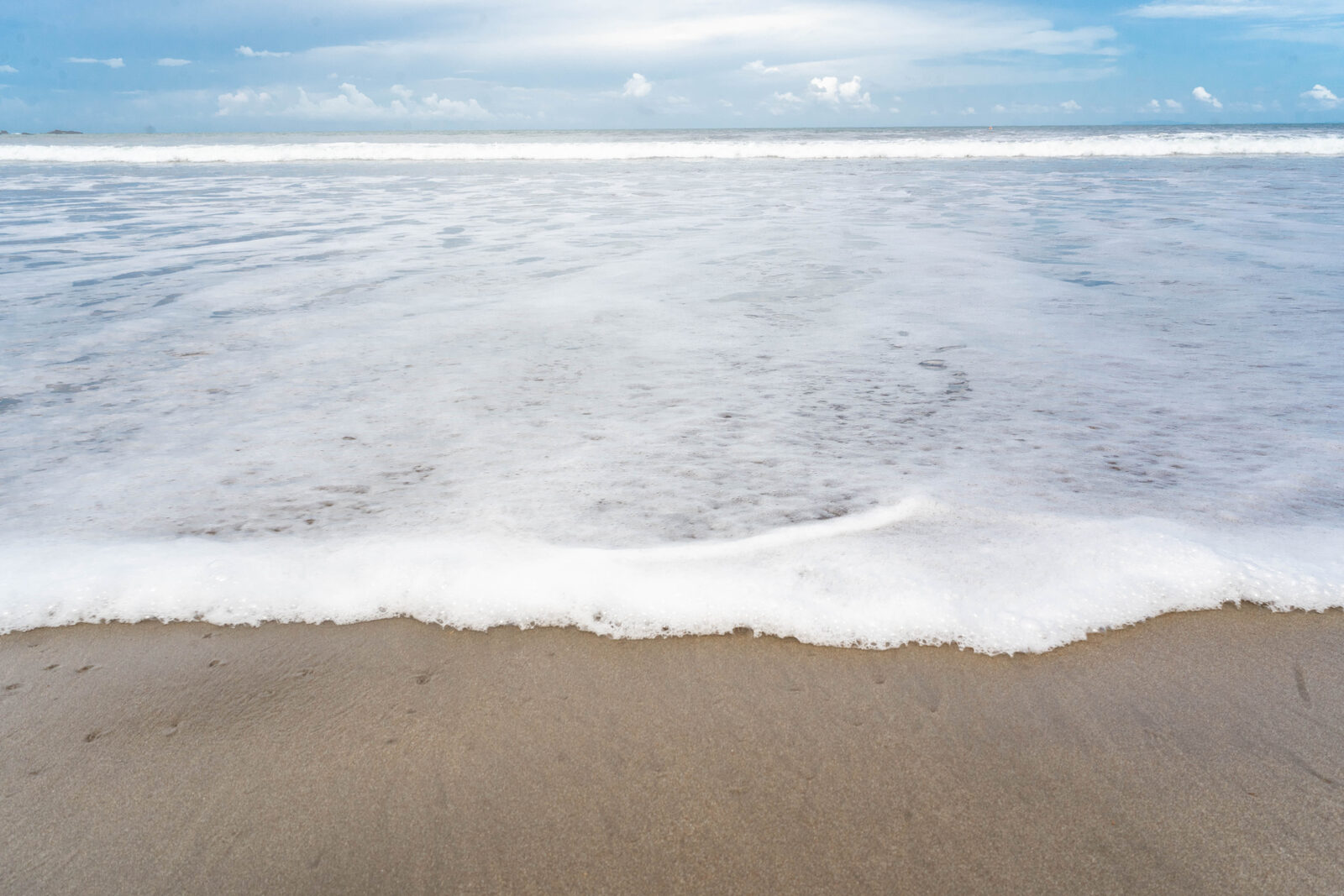
The Central Pacific’s beaches are some of the most misrepresented in Costa Rica. Every tourism blog calls them “stunning” and “pristine.” That’s shorthand for not having visited all of them. Some are genuinely beautiful. Some are functional and busy. One or two require a bit of work to reach. A few are, honestly, better suited to watching than swimming.
None of that is a reason not to go. This stretch of Pacific coast, from Herradura Bay south past Jacó, through Playa Hermosa, down to the Esterillos: has more variety packed into 60 kilometers than most coastlines manage in twice the distance. Dark volcanic sand, powerful surf, one calm bay that actually lets you float face-up without getting knocked over, and a handful of quieter beaches where the crowds thin out fast once you leave the main road.
What this guide gives you: what each beach is actually like, who it’s for, whether you can actually swim there (this matters more than most guides admit), and how to get to each one. You’ll know which beach fits your trip before you make a single wrong turn.
A Word on Swimming Safety
Before the beach-by-beach breakdown, one thing that applies across the board: the Pacific coast of Costa Rica has serious rip currents and riptides. This isn’t a cautionary footnote. It’s the difference between a good day and a medical emergency.
Rip currents here are fast and unpredictable, especially when swells are running. If you get caught in one, swim parallel to shore, not straight back to the beach. Fighting directly against a rip current exhausts you. Moving laterally gets you out of it in 20-30 meters.
Lifeguards exist at exactly one beach in this stretch (the main Jacó beach, and not always). Don’t count on rescue infrastructure. Count on your own awareness and judgment. If the waves look powerful and the water looks dark and churning, it’s a spectator beach that day, not a swimming beach.
Now, the beaches.
Jacó Beach
Jacó is the Central Pacific’s main event, for better and worse. It’s a 2.5-mile stretch of dark volcanic sand backed by the town’s entire personality: surf shops, smoothie stands, restaurants, tour operators, and a general hum of activity that doesn’t really stop.
What it’s like: The sand is dark gray-black, dense and warm underfoot. The beach faces due west, which means sunsets that actually stop conversations. Waves roll in consistently across multiple beach break peaks. The north end of the beach is softer: slower, gentler waves with less aggressive current patterns. The central section, directly in front of town, picks up considerably: hollow, faster, with the kind of punch that knocks beginners off their feet. The south end, near where the beach curves toward the rocks, is where the local surfers prefer to be.
This is a surf beach, not a resort beach. It looks nothing like the postcard beaches from Guanacaste: there’s no clarity in the water, no bleached sand, no palm-fringed shallows. The beauty here is in the energy of the place: a dozen surfers working the same break, pelicans cruising the troughs between sets, someone selling coconut water from a cart at the water line.
Best for: Surfers at every level (the north end is the best learn-to-surf setup on this coast), groups with mixed interests, anyone using Jacó as a base, digital nomads who want a beach with a real town behind it.
Swimming safety: The north end is the safest for recreational swimming: smaller waves, cleaner current patterns, and where surf schools set up because the margin for error is wide. The central and south sections are more challenging; strong lateral currents and occasional riptides make them better for experienced ocean swimmers who know how to read water. After any significant swell, the entire beach develops strong rip channels. When in doubt, stay at the north end. If you have young kids, Herradura (15 minutes north) is a better call.
Facilities: Well-stocked. Multiple surf rental shops on the beach and main strip ($15-20/day for boards). Surf lessons from beach instructors run $50-60 for a 2-hour session. Beachfront restaurants and sodas within walking distance of every access point. Public parking lot near the beach center. Bathrooms and showers at the main access. No umbrellas for rent on the beach itself, but palapas at a few bars along the sand. The beach gets scorching midday: black sand absorbs heat, so bring sandals or water shoes.
Getting there: From the airport (SJO), take Route 27 west through the mountains and drop down to the coast: 1.5 to 2 hours in normal traffic, closer to 90 minutes with clear roads (Friday afternoons and Sunday evenings are significantly slower when the road fills with weekend traffic). Jacó is the first beach town you hit on the Pacific. From Jacó itself, you’re already there. Any hotel, restaurant, or bar in the center of town is a 2-5 minute walk from the sand.
Best time: Early morning (6-9 AM) before onshore winds pick up is the best surf and the cleanest water. Late afternoon (4-6 PM) for sunset from the sand or a beachfront bar. Dry season (December-April) brings smaller, cleaner waves and better weather reliability. Rainy season (May-November) delivers bigger, more powerful swells, the serious surfers come then.
For more on Jacó as a destination, the Jacó area guide covers the town’s neighborhoods, restaurants, logistics, and who it’s really right for.
Playa Hermosa (Jacó). The Serious Surf Beach
Not to be confused with the Playa Hermosa in Guanacaste: that’s a completely different beach on the opposite coast with almost nothing in common beyond the name. This Playa Hermosa sits about 7 kilometers south of Jacó on the Costanera Sur, and it is one of the most consequential surf beaches in Central America.
What it’s like: Longer, straighter, and darker than Jacó. The sand is nearly black, fine-grained, and extends back into a narrow strip of coconut palms and coastal vegetation. The beach break here is in a different league from Jacó: faster, hollower, harder-breaking. The waves close out less and barrel more. Swells hit this beach more directly and with less dissipation than anything you find further north.
The ISA World Surfing Games have been held here. Costa Rica’s national surf circuit finals happen here. In 2022, Playa Hermosa was officially designated a World Surfing Reserve, the first in Central America. When you see a beach earning that kind of recognition, you understand what the wave is doing.
Between surf sessions, the beach is calm, quiet, and beautiful in an undeveloped way. Fewer vendors, fewer signs, more space. The small town behind it has a handful of surf-community cafes and restaurants: nothing flashy, all functional.
Best for: Intermediate to advanced surfers who want a real barrel and have the water skills to handle a heavy beach break. Also worth a visit for anyone who wants to watch elite competitive surfing: positioned on the sand during a good south swell, this is an impressive spectacle. Sea turtle nesting (September through December) is documented at this beach: olive ridley turtles use the dark sand here under the Playa Hermosa-Punta Mala National Wildlife Refuge’s protection.
Swimming safety: Do not swim at Playa Hermosa. This is not a precautionary statement. It’s practical information. The shore break is powerful and punchy, the rip currents are consistent, the paddle-out itself would challenge a fit recreational swimmer, and there are no lifeguards. Visitors who wade in and get hit by an unexpected set at Playa Hermosa get into trouble quickly. Come here to surf, watch, or walk the beach. For swimming, go to Jacó north end or Herradura.
Facilities: Basic. There’s parking off the Costanera Sur, a couple of small restaurants (open depending on season and time of day), and surf rentals from shops in the small community just off the beach. No public bathrooms in the formal sense. No umbrella rentals, no beach infrastructure of any kind. The appeal is the rawness of it: that’s the point.
During nesting season (September–December), sections of the beach are roped off and patrolled by conservation volunteers under SINAC management. If you want to join a guided nesting observation, book through a licensed local tour operator rather than whoever is standing near the parking lot, the refuge has protocols that protect nesting females and hatchlings, and reputable guides follow them.
Getting there: 15 minutes south of Jacó on the Costanera Sur (Route 34). Drive south through Jacó, cross the small bridge at the south end of town, and continue on the Costanera about 7 km. The beach access and parking is on the right side of the highway, clearly marked. From San José, it’s about 1 hour 45 minutes via Route 27 and then the Costanera.
Best time: April through October for the biggest swells and the most powerful surf. Dry season (December-March) still produces good waves: cleaner, more organized, but smaller. Arrive early morning for offshore winds and glassy conditions.
Herradura Bay / Playa Herradura
This is the beach you take people to when they say they just want to float in the ocean without getting worked. Herradura Bay is a crescent-shaped protected cove about 15 minutes north of Jacó, and it’s the Central Pacific’s only genuinely calm swimming beach on the Pacific side.
What it’s like: The bay curves around from north to south with headlands on both ends that block the dominant swell directions. The water inside the bay is almost always calm: chest-deep swimming, paddleboarding, kayaking, the kind of ocean interaction that doesn’t require surf skills or current management. The sand is coarser and more gray than the beaches further south, and the beach itself is narrower. Los Sueños Resort is here, and the marina’s presence means you’re also looking at sportfishing boats, yachts, and the occasional catamaran moored in the bay. It has a working waterfront quality rather than a pristine beach quality.
Local Costa Rican families drive here from San José on weekends specifically for this calm water. That tells you something. When Josefino families with young kids want to actually swim in the ocean, this is where they go.
Best for: Families with young children, anyone who wants real ocean swimming without battling surf, paddleboarding, kayaking. Good for an early morning session before the weekend crowds arrive. The bay’s calm conditions also make it the departure point for fishing charters and catamaran tours, the gentle waters inside the bay make for comfortable boarding.
Swimming safety: This is the safest swimming beach on the Central Pacific, the bay geometry shields it from most swell. That said, some current still moves through, and the outer edges of the bay get more exposure than the protected center. Swim in the sheltered middle section. On rare days when large swells wrap around the headlands, even Herradura loses its calmness: check conditions if the ocean looks agitated anywhere nearby.
Facilities: Several beachfront restaurants (sodas and more established spots) serve fresh fish, rice and beans, ceviche, and cold beer under palapas and open-air roofs. Parking is available. Public beach access runs along the waterfront road. Los Sueños Marina Village is directly adjacent: restaurants, shops, and the marina are walkable from the beach. It’s a functioning community, not just a tourist beach, so amenities are practical and accessible.
Getting there: From Jacó, drive north on the Costanera Sur/Route 34 for about 8 km. There’s a junction for Herradura marked clearly: turn right (toward the ocean) and follow the road down to the bay. From San José: Route 27 west, take the exit for Herradura/Los Sueños just before Jacó. About 1 hour 25 minutes from the airport.
Best time: Weekday mornings during dry season (December-April) offer the calmest water and the most manageable crowd levels. Weekends in dry season get crowded; Costa Rican family day-trippers fill the beach by 10 AM. Arrive by 8 AM or accept that finding shade and parking takes effort.
For more on Los Sueños Resort and the area around Herradura Bay, see the full Los Sueños guide, which covers the marina, golf, and fishing in detail. For surfing conditions at these beaches, see our Central Pacific surfing guide.
Playa Mantas
A few kilometers south of Playa Hermosa, Playa Mantas is the beach for people who specifically don’t want to be at Playa Hermosa. It’s quieter, less organized, and less visited: not because there’s anything wrong with it, but because it’s harder to access and nobody has set up a surf school here.
What it’s like: Similar dark volcanic sand to its neighbors: the Central Pacific character runs consistent down this coast. The beach is narrower and more exposed than the other options in this area, with a raw, unmanaged quality. Waves arrive with decent power. The surrounding vegetation is denser than Jacó’s developed beachfront; you’re not walking out of a restaurant onto the sand here. You’re walking through scrub and over rocks to reach it.
The reward for the effort is solitude. On a weekday morning, you might have the entire beach to yourself. On weekends in dry season, a handful of visitors who sought it out. Never crowds.
Best for: People who actively want isolation. Adventurous beachgoers who don’t need facilities. Experienced swimmers and surfers who prefer having waves without crowds. Anyone willing to do a bit of navigating for the payoff of an empty beach.
Swimming safety: Approach with the same caution as Playa Hermosa: powerful waves, significant rip current potential, and no lifeguards or safety infrastructure. Unlike Hermosa, which at least has a surf community presence, Playa Mantas has no one around to call for help. If you’re going in the water here, only go if you’re a genuinely confident ocean swimmer. This is not a beach for casual paddling.
Facilities: Almost none. No restaurants, no formal parking, limited shade, and no restrooms. The access road (turn off the Costanera heading south from Playa Hermosa) is unpaved and rough in spots. Bring everything you need, including water.
Getting there: Continue south from Playa Hermosa on the Costanera. About 5 km past the Playa Hermosa access, watch for the turn to Playa Mantas on the right. The route is not well-signed. From San José: 2+ hours via Route 27 and the Costanera. This isn’t a beach you stumble into: you go deliberately.
Best time: Weekday mornings. Dry season if you want reliable access on the dirt road (rainy season can make it muddy and difficult for lower-clearance vehicles).
Esterillos: Three Beaches in One
About 50 kilometers south of Jacó, the Esterillos coast is a different world from the activity and infrastructure of the Central Pacific’s northern beaches. Three sections (Esterillos Oeste (west), Centro (center), and Este (east)) form a roughly 8-kilometer stretch of coastline that feels rawer, wider, and less worked-over than anything you’ll find near Jacó.
If the Central Pacific beaches closest to San José are the “accessible” option, Esterillos is what you get when you keep driving.
Esterillos Este
The eastern section (furthest from Jacó) is the quietest of the three for amenities and services, but a handful of well-regarded boutique hotels have set up here specifically because of that quiet. Think small, design-conscious properties with on-site restaurants where you don’t have to go anywhere to have a decent dinner. It’s the Esterillos section that draws couples and solo travelers looking for something closer to a retreat than a beach town.
What it’s like: Wide, long black sand beach with consistent waves. The beach break isn’t as heavy as Playa Hermosa but it’s more than Jacó: real surf with real power, better suited to intermediates than beginners. The beach faces southwest, so it catches swell well. There’s room to spread out; even during peak season, you won’t be fighting for space.
Best for: Couples wanting a quiet property-based stay, travelers who want waves with some accommodation infrastructure, those looking to unplug more thoroughly than Jacó or Oeste allow.
Swimming safety: Strong rip currents are common here. The waves look approachable but move fast. This is a surf beach first. If you want to swim, stick to periods of visibly calm water between sets, stay near the shore, and watch the patterns before committing.
Facilities: A handful of boutique hotels with on-site restaurants, basic parking near the beach. Limited independent restaurant options outside hotel properties. No grocery store. Bring supplies.
Esterillos Centro
This is the quietest of the three. Very little commercial activity, minimal development, and long stretches of beach with almost no one on them.
What it’s like: Wild and undeveloped. Dense coastal vegetation right to the sand. Long, straight beach with consistent wave energy. No vendors walking the beach, no buildings visible from the water, no crowds. This is what people imagine when they say they want a “deserted beach” — though deserted here means quiet, not inaccessible.
Best for: People who want complete space and quiet. Photographers, couples who want to be left alone, travelers who’ve done the busy beach circuit and want the opposite.
Swimming safety: Same caution as all Esterillos beaches. The current patterns here are not well-documented compared to the more visited sections. Go in with care or don’t go in.
Facilities: Very minimal. Bring your own food and water.
Esterillos Oeste
The western section is the most developed of the three and the first you reach heading south from Jacó. It’s a proper small beach town rather than a resort or a few isolated hotels. There’s a grocery store, a cluster of restaurants and sodas, surf rental shops, and a local resident community of surfers and expats who’ve been here long enough to know all three sections intimately. Some surf camps and yoga retreats have set up here, which adds to the range of accommodation options.
What it’s like: Wide beach, powerful but manageable waves (better organized than the other Esterillos sections on good swells), and a lived-in coastal character that’s more relaxed than Jacó without being completely off-grid. The sky is wide open and the sunsets are unobstructed Pacific: no buildings on the horizon from the beach, just water. You’re close enough to the Costanera that driving north to Jacó or south to Manuel Antonio is a real option for day trips.
Best for: Travelers who want a full Esterillos experience with actual amenities to fall back on. Intermediate surfers who want waves without competing against the Jacó crowd. Couples or families who want space and quiet but don’t want to bring all their own food.
Swimming safety: More consistent patterns here due to more regular surf activity. Still strong currents; still an honest Pacific beach. Swim with awareness.
Facilities: Grocery store, restaurants and sodas, surf rentals, parking, basic accommodation ranging from surf camps to small hotels. Better road access and services than Centro or Este. The most self-sufficient of the three sections for a multi-day stay.
Getting there (all Esterillos sections): From Jacó, drive south on the Costanera Sur. You hit Esterillos Oeste first (about 50 km from central Jacó, roughly 45-50 minutes), then Centro (a few km further), then Este (the furthest, about 60 km and an hour from Jacó). From San José: approximately 2 hours 15 minutes to Oeste via Route 27 and the Costanera, slightly more to Este. This is a meaningful commitment from the capital: plan on spending at least one or two nights rather than making it a day trip.
Best time: Green season (May-November) is when Esterillos rewards you most: bigger swells, empty beaches, lower prices at the boutique spots, and the kind of lush green landscape that makes this region photogenic. Dry season is reliable for weather but brings more visitors. Either way, midweek is far better than weekends when day-trippers from the Central Pacific towns fill the road.
Playa Blanca (Los Sueños)
The most unusual beach on this entire stretch, and the only one that isn’t a public free-for-all. Playa Blanca is the beach club at Los Sueños Resort, and it has white sand. Not dark volcanic gray. White sand, on the Pacific coast of Costa Rica, which is genuinely rare.
What it’s like: A small, protected crescent of white sand tucked inside Herradura Bay, with calm water, umbrellas and loungers set up properly, a full-service beach club with food and drinks, and the manicured quality that resort amenities deliver. The Los Sueños resort community is directly behind it. The water is the same calm bay water as the public Herradura beach: good for swimming, paddleboarding, kayaking.
Being honest about this one: Playa Blanca is not a public beach in the practical sense. While all beaches in Costa Rica are technically public by law, Playa Blanca’s access runs through Los Sueños Resort property, and the beach club facilities are exclusively for resort guests, hotel guests, or property owners in the Los Sueños community. You can’t drive up as an outside visitor and access the loungers, food service, or parking without a connection to the resort. If you’re staying at a Nest Stays property within Los Sueños, or at the Marriott, this beach is part of your experience. If you’re not, the public Herradura beach is 5 minutes away with the same calm water and free access.
Best for: Los Sueños resort guests, families who want a calm, organized beach experience, anyone who prioritizes comfort and service over raw beach aesthetics.
Facilities: Full beach club: loungers, umbrellas, food and drink service, water toys, paddleboards, kayaks. Professional staff. All the infrastructure that the other beaches on this coast don’t have.
Getting there: Via Los Sueños Resort entrance off the Herradura road. Accessible to resort and hotel guests directly from property.
Which Beach Is Right for You?
The honest answer depends on what you actually want from a beach day.
| Beach | Best For | Swimming | Crowds | Facilities | Drive from Jacó |
|---|---|---|---|---|---|
| Jacó (north end) | Beginners, social energy, surf lessons | OK with caution | High | Excellent | Already there |
| Jacó (central/south) | Intermediate-advanced surfers | Challenging | High | Excellent | Already there |
| Playa Hermosa | Advanced surfers, turtle watchers | Don’t | Low-medium | Basic | 15 min south |
| Herradura Bay | Families, calm swimming, kayaking | Yes, safest | Medium-high weekends | Good | 15 min north |
| Playa Mantas | Solitude, experienced swimmers | Expert only | Very low | Almost none | 25 min south |
| Esterillos Oeste | Town feel, surf, day-trippers | Caution | Low-medium | Good (town) | 50 min south |
| Esterillos Centro | Complete solitude | Expert only | Minimal | None | 55 min south |
| Esterillos Este | Couples, boutique retreat, quiet | Caution | Very low | Boutique hotels | 60 min south |
| Playa Blanca | Resort guests, families, calm | Yes | Resort guests | Full service | 15 min north |
The Quick Decision
You want to swim with kids: Herradura Bay. The only beach on this coast where calm water is reliable and you can actually float around without getting worked.
You’re learning to surf: Jacó north end. The infrastructure is there, the waves are forgiving, and you’re 5 minutes from a good lunch. Don’t start at Playa Hermosa.
You’re an experienced surfer: Playa Hermosa if you want a barrel. Esterillos if you want waves without the scene. Jacó south end if you want the middle ground.
You want a beach with basically no one on it: Esterillos Centro on a weekday. Or Playa Mantas if you’re comfortable in isolated settings and don’t need facilities.
You want sunset drinks by the ocean: Any of the Jacó beachfront bars. The north end of Jacó or Herradura Bay for something calmer. Esterillos Oeste or Este if you’re based there, the beaches face west for unobstructed Pacific sunsets, and both sections have restaurant options for a drink at the end of the day.
You’re staying at Los Sueños: Playa Blanca is your home base. Walk out of your villa to the beach club. The public Herradura beach is a 5-minute walk if you want a different scene.
Practical Notes for All of Them
Rip currents apply everywhere on the Pacific coast. If you see churning white water or a channel where water looks like it’s rushing offshore, that’s a rip. Swim parallel to shore, not against it, and you’ll exit it within 30-50 meters.
Black sand gets hot. Every beach from Herradura to Esterillos has dark volcanic sand that absorbs serious heat by midday. Bring sandals or water shoes. Plan beach time before 11 AM or after 3 PM if you want to be comfortable on the sand.
Don’t leave valuables unattended. All beaches here have the same risk that comes with any busy tourist area: opportunistic theft happens when bags are left unguarded. Bring only what you need. Lock everything else in your rental’s safe.
Green season vs. dry season: Dry season (December-April) means reliable sunshine and calmer seas, which helps with swimming safety. Rainy season (May-November) brings afternoon rain that clears quickly, bigger swells that make surf better, and fewer people competing for the same palapas.
Water year-round: The Pacific here stays around 80-84°F (27-29°C) year-round. You will not need a wetsuit for anything.
If you’re figuring out where to base yourself for a Central Pacific beach trip, the Jacó area guide lays out exactly how Jacó, Los Sueños, and Herradura compare as bases, and what kind of traveler each one suits. And if you’re considering properties at Los Sueños, the beach club access and marina proximity are part of what makes that community work as well as it does.
The Central Pacific delivers exactly what it promises if you know which beach to show up at. Six different beaches, six different purposes. Pick the one that matches your trip: not the one with the best stock photo.
Related Guides
- Herradura Area Guide — Calm bay, world-class marina, championship golf
- Los Sueños vs Jacó vs Manuel Antonio — Compare the top beach destinations
Frequently Asked Questions
Which beach is safest for swimming with young children on the Central Pacific?
Herradura Bay is the safest swimming beach on the Central Pacific. The crescent-shaped bay is protected by headlands that block dominant swells, creating calm water that’s perfect for families. Local Costa Rican families from San José drive here specifically for the gentle conditions. It’s the only beach in this area where you can reliably float and swim without battling surf.
Are there lifeguards at Central Pacific beaches in Costa Rica?
Lifeguards exist at exactly one beach in this stretch: the main Jacó beach, and not always. Don’t count on rescue infrastructure at any Central Pacific beach. You need to rely on your own awareness and judgment of ocean conditions, especially regarding rip currents which are fast and unpredictable along this coast.
What's the best beach for learning to surf in the Central Pacific?
The north end of Jacó Beach is the best learn-to-surf setup on the Central Pacific coast. It has smaller, gentler waves with cleaner current patterns and a wide margin for error. Multiple surf schools operate here, with lessons costing $50-60 for a 2-hour session and board rentals at $15-20/day. The infrastructure and beginner-friendly conditions make it ideal for first-time surfers.
Why is the sand black at Jacó and most Central Pacific beaches?
The black sand is volcanic in origin. Costa Rica’s Central Pacific beaches have dark gray to nearly black volcanic sand that’s dense and absorbs significant heat. By midday, this sand gets scorching hot, so bring sandals or water shoes. This is completely different from the lighter sand beaches in Guanacaste on the northern Pacific coast.
Can you swim at Playa Hermosa near Jacó?
Do not swim at Playa Hermosa. This is a world-class surf beach with powerful shore breaks, consistent rip currents, and no lifeguards. The waves that make it perfect for advanced surfing (it’s a World Surfing Reserve and hosts international competitions) make it dangerous for swimming. For swimming, go to Jacó’s north end or Herradura Bay instead.
Ready to Experience Jacó?
Book your Jacó vacation rental with Nest Stays — and wake up right where the action is.