Wildlife in Costa Rica's Central Pacific: Your Complete Field Guide
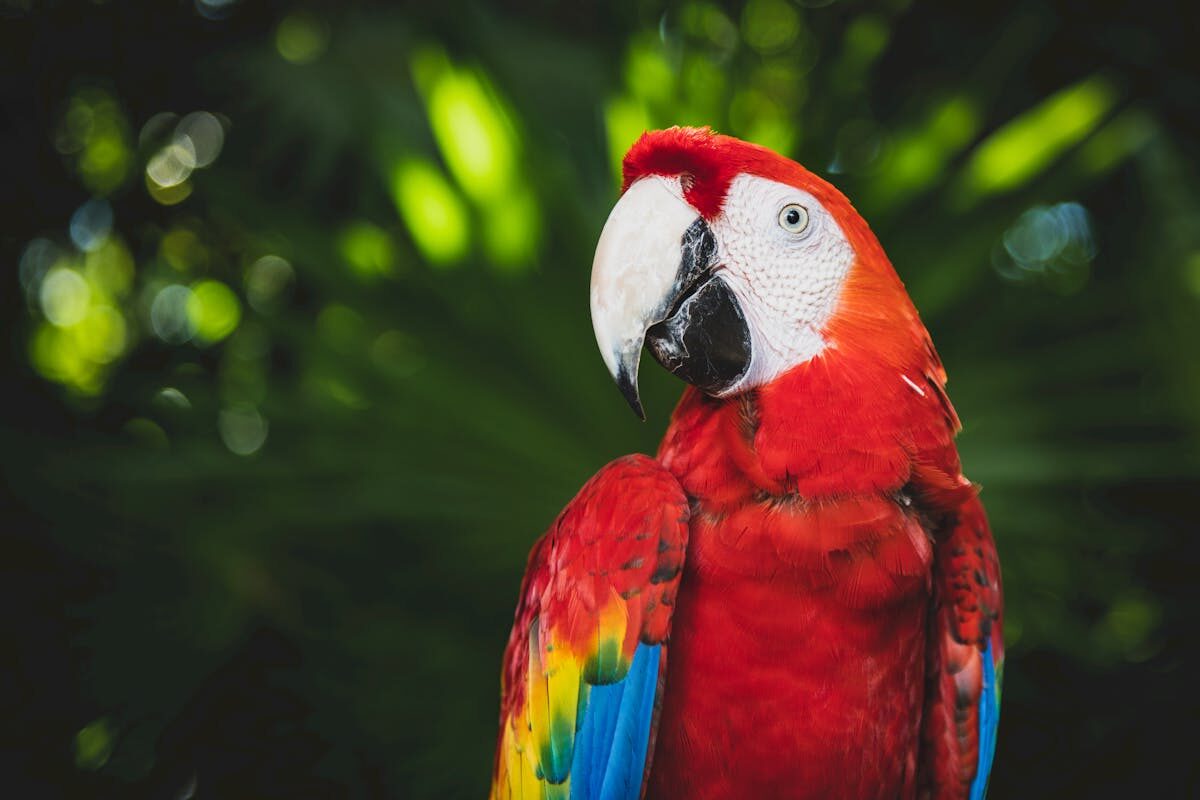
You don’t have to chase wildlife in Costa Rica’s Central Pacific. It shows up uninvited.
A scarlet macaw pair will bank low over your coffee on the terrace. A troop of white-faced capuchins will work their way through resort trees forty feet above the pool deck. A three-toed sloth will be suspended in the same cecropia tree for three consecutive days before you even notice it. Howler monkeys will wake you at 5 AM sounding like something that escaped from the Cretaceous period.
This is what makes the Central Pacific unlike most wildlife destinations: the threshold between “resort” and “rainforest” doesn’t really exist. Carara National Park (one of the most biodiverse places in Central America) starts 15 minutes north of Jacó. The Tárcoles River, with its famously visible American crocodile population, crosses the highway right at the park entrance. And properties at Los Sueños Resort are built directly into the forest that backs these systems.
What follows is a practical, location-specific guide to the wildlife you can actually see, how to find it, what it costs, and what you need to bring. No generic Costa Rica enthusiasm: just the information you need to plan and book.
The Central Pacific’s Secret: It’s a Transition Zone
Most travelers know Costa Rica for jungle. What makes the Central Pacific specifically remarkable is that Carara National Park sits at the biological seam between Costa Rica’s dry northwestern forests (Guanacaste) and the humid rainforests of the south. This transition zone (called a bosque transicional) means species from both ecosystems overlap here and nowhere else.
Scarlet macaws reach the northern edge of their Costa Rican range here. White-lipped peccaries, tapirs, and spider monkeys (more associated with the deep south) share forest with dry-forest species like white-tailed deer and coatis. The result is an unusually dense concentration of biodiversity packed into a relatively small area.
Carara has recorded 400 bird species in its 5,242 hectares. That’s more species in one park than most countries have in total.
Scarlet Macaws at Carara National Park
Where: Carara National Park, on Route 34 (Costanera Sur), roughly 15-20 minutes north of Jacó. The park entrance is at 9°46’N, 84°36’W: you can’t miss it coming south on the highway.
Best time: 6:00–8:00 AM. This is when macaws fly between roosting sites and feeding areas. You’ll hear them before you see them, a hoarse, grating squawk that carries through the canopy. Then pairs, or small groups, will cross overhead with that unmistakable crimson flash against green.
What to expect: At trail openings near the park entrance, macaws nest in large, exposed trees that offer clear sightlines. Early in the morning, nesting pairs perch loudly and visibly before flying off. On the main loop trail (Sendero Araceas), you’ll find macaws at canopy height, mostly glimpsed through gaps in the cover. Pairs stay together year-round and often fly in coordinated formation, which makes them impossible to confuse with anything else.
Cost: Park entrance is $10 USD + tax (~$11–12 total) per person. Tickets must be purchased in advance on the SINAC website at serviciosenlinea.sinac.go.cr: you cannot pay at the gate, so book before you go. If you’re arriving on a guided tour, most operators include park entry in their price; confirm when booking. For a guided half-day tour from Jacó or Los Sueños, expect $65–$85 per person (usually inclusive of the park fee). Private tours for small groups run $200–$300 total and are worth it for families who want a dedicated guide without the group pace.
How to book: Your property concierge can arrange directly. If booking independently, look for operators with SINAC-certified naturalist guides: this matters both for what you’ll see and for supporting legit park-compliant operators.
What to bring: Binoculars (essential, a cheap pair ruins the experience), light layers for the early morning cool, insect repellent with DEET, closed-toe shoes or hiking sandals, and a camera with some zoom. A wide-angle lens will get you nothing but green.
Honest note: You will see macaws. This is one of the most reliable wildlife encounters in all of Costa Rica, not a “maybe if you’re lucky” situation. What varies is how close and how long, a guide who knows the nesting trees dramatically improves both.
Crocodiles at the Tárcoles Bridge
This is the most low-effort wildlife encounter in the Central Pacific, possibly in all of Costa Rica.
Where: The Río Tárcoles bridge on Route 34 (Costanera Sur), about 5 minutes north of the Carara NP entrance. You’ll know you’re there when you see cars pulled over on both sides of the road and people leaning over a concrete railing.
Cost: Free. Pull over, walk to the center of the bridge, look down.
What to expect: On any given morning, you’ll see 12–15 American crocodiles resting on the river banks and sandbars below. Some of these animals exceed 15 feet in length and look like textured logs until one turns its head. They sun themselves in the shallows, move surprisingly quickly when motivated (boat tours below have made this obvious), and are completely unbothered by traffic, noise, or the small crowd of tourists above them.
Best time: Early morning. Crocodiles are ectothermic (cold-blooded), so they’re most active in the cooler morning hours before the midday heat pushes them into the water. Less heat shimmer also means better photos.
Safety: Stay behind the guardrail. Don’t lean out. Don’t throw anything at them. This should not need saying but apparently it does: the railing is the barrier between you and 15-foot apex predators with a documented taste for fishermen who wade in too close.
Combine with: Drive 5 minutes south on Route 34 and you’re at the Carara NP entrance. This is a natural two-for-one: croc bridge on the way, Carara as the main event.
Monkeys: Three Species in One Trip
The Central Pacific has three monkey species within range. You’ll almost certainly see two of them without trying.
White-Faced Capuchins
The most visible and the most confident. Capuchin troops of 10–30 individuals travel together, and if you’re in the resort trees at Los Sueños or anywhere near coastal forest in Jacó or Herradura, you’ll encounter them. They move fast through the canopy, communicate constantly with chirps and barks, and have absolutely no fear of humans, which means they’ll occasionally investigate your terrace, your fruit bowl, or your curiosity.
Don’t feed them. Not because of the liability signs at Los Sueños, but because it genuinely disrupts their behavior and creates habituation that makes them nuisances for every guest after you.
Howler Monkeys
You will hear howlers before you see them. The territorial vocalization of a male howler monkey is one of the genuinely disorienting sounds of Costa Rica, a deep, resonant roar that carries for miles and sounds nothing like what you’d expect from a medium-sized primate. Dawn and dusk are peak howling hours. They move through the canopy more slowly than capuchins, which makes them easier to observe once you locate them. Look for dark shapes in the upper canopy, especially near fruiting trees.
Squirrel Monkeys
Smaller, faster, and less common in the Jacó-to-Los Sueños corridor. Manuel Antonio National Park (about 1.5 hours south) is the most reliable place for squirrel monkey sightings: they’re abundant there due to active conservation programs. You may see them in the Central Pacific’s forests, but don’t build your morning around it.
Where to look: Los Sueños resort grounds (all three species have been recorded here), the forested trails of Carara, and anywhere coastal forest meets beach in Herradura and Playa Hermosa.
Sloths: How to Actually Find Them
Sloths are not easy to spot without practice, but once you’ve found your first one, your eyes recalibrate and you start seeing them everywhere.
Species: Three-toed sloths (Bradypus variegatus) are common in the Central Pacific’s coastal forest, particularly near Los Sueños Resort, Playa Hermosa, and anywhere cecropia trees grow. Two-toed sloths (Choloepus hoffmanni) exist but are more nocturnal and harder to find.
The cecropia trick: Cecropia trees are a sloth’s primary food source in Costa Rica’s lowland forests. They’re identifiable by their large, hand-shaped leaves and pale-green, segmented trunks. If there’s a cecropia in sight, scan every branch fork for a brownish lump with a round head. That’s your sloth.
Best time to spot: Early morning (6:30–9 AM) or late afternoon (4–6 PM), when sloths make their slow, deliberate movements between branches to feed. Midday, they’re motionless, which is their natural state roughly 18 hours out of 24.
Cost: Free, if you’re at Los Sueños. The resort naturalist guide offers free wildlife walks that are worth joining: they know exactly which trees the resident sloths use and can spot a motionless sloth at 40 feet that you’d walk past without registering.
What to bring: Binoculars. And patience. And the willingness to stop, look up, and give your eyes time to adjust. Sloths don’t announce themselves.
Sea Turtle Nesting at Playa Hermosa
Every July, female olive ridley sea turtles (Lepidochelys olivacea) that have been swimming the Pacific for decades return to the exact beach where they hatched: Playa Hermosa, 15 minutes from Los Sueños, and drag themselves up the sand at night to nest.
Season: July through December, with peak nesting in September and October. Baby releases (hatchlings crawling from the nest to the ocean at dawn) happen primarily October–November.
Where: Playa Hermosa’s protected beach, 7 km of dark sand south of Jacó. Conservation groups monitor the beach nightly during nesting season, rope off active nesting areas, and run guided nighttime turtle-watching tours.
Cost: Guided nighttime tours run $35–$50 per person through official local conservation groups. Book through your property concierge or connect with established operators: not ad hoc guides who’ll take you out without authorization.
What to expect: You’ll arrive after dark, walk the beach in small groups with a naturalist guide, and wait for a turtle to emerge. When one does, the guide will position the group behind the turtle’s sight line (they’re vulnerable and stressed during nesting). If you’re lucky with timing, you’ll watch her dig a nest cavity, lay 80–120 eggs, cover the nest, and slowly return to the water. From first emergence to departure: 45 minutes to 2 hours.
Baby releases at dawn are a different experience: quieter, faster, and somehow more affecting. Dozens of hatchlings the size of your palm scrambling toward the waterline while frigatebirds circle overhead.
The rules: No flashlights, no phone screens, no flash photography near nesting turtles. White light disrupts their navigation: they orient by bioluminescence and moonlight. Guides will use red-filtered flashlights only. Respect the roped areas.
Why this matters: Olive ridley populations declined sharply through the 20th century from egg poaching and bycatch. The nesting population at Playa Hermosa exists because of active conservation, which the guided tours help fund. This is one of the rare wildlife experiences that is genuinely better because you paid for a guide.
Whale Watching
The Central Pacific is one of the few places on Earth where you can see humpback whales from two separate populations in the same calendar year.
Humpbacks from the Southern Hemisphere arrive to breed and calve from roughly July through October, having traveled from Antarctica. Northern Hemisphere humpbacks arrive December through March, completing the near year-round window. The overlap months (November and mid-July) are transition periods.
Where to book: Los Sueños Marina or Jacó’s smaller marinas are the departure points. Half-day tours typically run 4–5 hours offshore. Pricing: $90–$120 per person for a half-day whale watching excursion.
What to expect: Humpbacks in the Central Pacific are typically spotted at 2–8 miles offshore. Behaviors include surface breaching, fluke-up dives, and pec-fin slapping. No sighting is guaranteed. You’re going offshore into the open Pacific, not an aquarium, but operators with good captains run high success rates during peak months (August-October). Dolphins are common year-round and almost guaranteed on any offshore trip.
Combine with: Many operators combine whale watching with snorkeling, fishing, or a catamaran day trip. Worth asking your concierge about combination packages that make more of the day offshore.
Birding: 400+ Species and Where to Start
Carara National Park is consistently ranked among the top five birding sites in Central America. The transition zone biology that makes it good for mammals makes it extraordinary for birds: you can hear three species of toucan before 9 AM on a good morning.
Key species to watch for:
- Scarlet macaws: Covered above, but worth reiterating: these are the flagship species and reliably visible
- Chestnut-mandibled toucan (Ramphastos ambiguus): Large, loud, spectacular. Listen for the “Díos te dé” (“God give you”) call at dawn
- Turquoise-browed motmot: Sits still in mid-canopy, swings its racquet-tail pendulum-style like a pendulum clock; once you’ve seen it, you ID them instantly forever after
- Roseate spoonbill: Pink wading birds in the estuary areas near the river mouth and mangroves
- Great blue heron, boat-billed heron (Both visible in the estuary
- Anhinga) Perches with wings spread to dry after diving, looks prehistoric
- Baird’s trogon: Carara is one of its reliable Central Pacific sites
Cost: Hiring a specialist birding guide for a 4-hour session in Carara costs $80–$120. This is the best money you’ll spend if birding is your primary interest. A good guide will ID species by call before the bird is visible, know which trails are active on which days, and find species you’d walk past in an hour of solo hiking.
Bring: Binoculars minimum. 8x42 is the recommended spec for forest birding: enough magnification, wide enough field of view for fast-moving canopy birds. Download eBird and Merlin (for call ID) before you go: both apps work offline.
Mangrove Kayaking and Estuary Wildlife
The estuaries and mangrove systems south of Jacó, particularly the Río Tárcoles estuary: are a different kind of wildlife experience. Flat water, protected channels, and dense riparian habitat where shore birds concentrate.
What you’ll see: Great egrets, tricolored herons, green kingfishers, anhingas, American crocodiles (smaller than the bridge monsters, but real), caimans in the tighter channels, and dozens of species of shorebirds along the mudflats. Roseate spoonbills are common enough that you stop stopping for them by hour two.
Tours: Half-day kayaking tours typically run 3–4 hours, cost $55–$75 per person, and include kayak, paddle, PFD, and naturalist guide. Tours usually launch at low tide in the early morning when water levels expose the mudflats where birds concentrate.
Best time: Early morning, both for wildlife activity and for getting on the water before the afternoon chop picks up. The mangroves are shaded, but it gets warm quickly after 10 AM.
How to book: Ask your concierge or property manager. Quality varies significantly between operators: ask whether the guide is a trained naturalist and whether they’ve done bird surveys in the estuary system. The difference between a fishing guide who happens to run kayak tours and an actual wildlife guide is the difference between a pleasant paddle and an exceptional one.
Marine Wildlife: What’s Out There
Book any fishing trip, catamaran day trip, or whale watching excursion offshore and you’re entering a different wildlife layer entirely.
Dolphins: Spinner dolphins and bottlenose dolphins are common on virtually every offshore trip in the Central Pacific. Spinners travel in large pods (50–200 individuals), ride bow waves enthusiastically, and put on the aerial spinning displays their name references. Bottlenose dolphins are more solitary but frequently approach boats out of curiosity.
Sea turtles: During calm conditions, green sea turtles and olive ridley turtles are visible at the surface. Their heads pop up, they look around, and they dive. Not as dramatic as nesting, but still startling the first time.
Manta rays: The waters around Isla Tortuga and offshore seamounts attract manta rays: visible when they breach or cruise near the surface. Not guaranteed, but common enough that captains watch for them.
Whale sharks: Occasional offshore, particularly around September-October. If you’re on a multi-day charter heading to offshore banks, these become more likely.
Wildlife Safety: What Actually Matters
Don’t Feed the Monkeys
This is the rule that gets ignored most consistently and causes the most actual problems. Capuchins that associate humans with food become aggressive, territorial, and eventually dangerous enough that parks have to remove them. The troop at Los Sueños that raids terraces does so because previous guests rewarded them. Don’t be that guest.
Crocodile Distance
The Tárcoles bridge crocs look docile because they’re currently warm and have no reason to move. American crocodiles (Crocodylus acutus) are the largest crocodilian species in the Americas and have attacked people who waded or kayaked too close on river tours. Stay on the bridge. Don’t enter the river in areas where large crocs are known to be active.
Sea Turtle Etiquette
No white light (phone screens, flashlights, headlamps) near nesting turtles. No approaching from the front. No flash photography. If a turtle is disturbed during emergence, she’ll return to the ocean and may not attempt to nest again that night. Guides manage this well; trust them.
Hiking Essentials
For any trail hiking (Carara or otherwise): closed-toe shoes with grip, long pants for early morning (dew-soaked vegetation + insects + any chance of snake encounter: all addressed by pants), insect repellent with DEET 30%+, hat and sunscreen for trail openings, and a 1L water bottle minimum. The forest looks dense from outside: trails can be muddy and the humidity is real.
Best Wildlife Tours: What to Ask Before You Book
The Central Pacific has a lot of tour operators. Quality varies considerably.
What to ask any operator:
- Is the guide a licensed naturalist (SINAC-certified or certified through a recognized program)?
- What is the guide-to-guest ratio on the tour? (6:1 is reasonable; 15:1 is too many for quality wildlife spotting)
- What’s the cancellation policy during rainy season?
- Does the tour include park entrance fees or is that separate?
Private vs. group tours: Private tours cost more ($200–$400 for a half-day family or small group) but move at your pace, stop where you want, and tend to see significantly more wildlife because the guide isn’t managing 12 people on different ability levels. If you’re a serious birder or photographer, private is worth it. For casual family wildlife experiences, a small-group tour (8 people max) is fine.
Nest Stays concierge handles tour bookings for all guests: this means you’re working with operators we know and trust, not whoever shows up on the first Google results page. Ask at check-in.
When to Visit for Wildlife
Both seasons have advantages. Here’s the honest breakdown:
Dry Season (December–April)
- Trails are drier and easier to hike
- Scarlet macaws are easier to spot (less foliage on some trees)
- Sea turtle nesting is winding down by January
- Peak crowds at Carara on weekends: go early to avoid bus tours
Green Season (May–November)
- Lush forest means more food sources, which means more active wildlife
- Peak sea turtle nesting: July–December
- Humpback whale watching peaks August–October
- Baby turtle releases: October–November (a rare, genuinely special experience)
- Fewer crowds in the park
- Trails can be muddy: proper shoes matter more
- Afternoon rain is typical (mornings are usually clear for wildlife)
The honest answer: Wildlife sightings are consistently good year-round in the Central Pacific. If sea turtles or whale watching are your priorities, target July–October. Otherwise, dry season is more comfortable and green season is more dramatic. Neither is wrong.
Where to Base Yourself
Los Sueños Resort is the strongest choice for travelers who want wildlife experiences without engineering them. Scarlet macaws fly over the golf course on a daily schedule. Sloths live in the trees on the property. Howler monkeys wake you up. Capuchins pass through the grounds. The free resort naturalist walks are worth doing even if you’re planning guided park excursions. And Carara National Park is 15 minutes north.
Jacó is the right base if you’re primarily doing day trips. It’s the closest town to Carara, the Tárcoles bridge, and mangrove kayaking operations. Every major tour operator runs from here. The tradeoff: you won’t see macaws from your terrace, and you’ll encounter the wildlife on purpose rather than accidentally.
Playa Hermosa is the base of choice if sea turtle nesting is the primary goal. The nesting beach is right there. The forest backing the beach has monkeys and sloths. The trade: it’s quieter and more limited in services than Los Sueños or Jacó.
All three are within 20 minutes of each other. Most guests pick one base and do day trips to the others.
Plan Your Wildlife Experience
The Central Pacific is one of the easiest places in the world to have genuine, unmanufactured wildlife encounters. You don’t need a week of deep jungle trekking. You need an early alarm, a pair of binoculars, and the willingness to look up.
Start with what you can see without trying, the macaws over the golf course, the sloth in the cecropia tree outside your villa, the howlers at dawn. Then add one or two guided excursions: Carara for the full rainforest experience, the Tárcoles bridge for the crocodiles, a turtle tour at Playa Hermosa if the timing works.
Everything else, the dolphins offshore, the mangrove birds, the whale watching: layers on top of a base that’s already unusually rich.
Ready to plan your wildlife trip? Our concierge team handles all of it: guided Carara tours, sea turtle nighttime walks, mangrove kayaking, and whale watching from the marina. See all wildlife experiences →
For turtle nesting season at Playa Hermosa, see our dedicated sea turtle watching guide. Planning day trips from the area? Our Central Pacific tours guide covers all the options.
Nest Stays manages vacation properties in Los Sueños, Herradura, and Jacó. Our concierge team arranges wildlife tours, naturalist guides, and all Central Pacific excursions for guests. Get in touch when you’re ready to plan.
Frequently Asked Questions
Do I need a guide for Carara National Park?
Not required, but recommended. Self-guided visitors on Carara’s trails will see the forest and some obvious species (macaws, iguanas, the inevitable agouti). A guide who knows calls and nesting locations will show you 3–4x more species in the same time. For serious birders, a guide is non-negotiable.
Can you see wildlife at Los Sueños without leaving the property?
Yes, consistently. Scarlet macaws on the golf course and over properties in the early morning and late afternoon. Sloths in cecropia trees around the resort grounds. Howler and capuchin monkeys in the resort forest. The free naturalist walk (ask at the Marriott concierge desk or your property manager) is genuinely one of the better wildlife experiences in the area and costs nothing.
Is the Tárcoles bridge dangerous for tourists?
The bridge itself is not dangerous if you stay behind the railing. The crocodiles are not dangerous from the bridge. The only risk is the highway: park responsibly and don’t stand in traffic for photos.
What wildlife can I see on a fishing trip?
On most offshore trips from Los Sueños Marina: spinner and bottlenose dolphins (common), flying fish, sea turtles at the surface (occasional), and during peak months, humpback whales in the distance. Inshore fishing near the mangroves: herons, kingfishers, anhingas, and the occasional caiman.
When do scarlet macaws fly over Los Sueños?
Most reliably 6:30–8:00 AM and 4:00–6:00 PM. These are the feeding flight windows. Position yourself with a clear sightline to the west (toward the beach) and listen for their distinctive call. You won’t miss it.
Ready to Experience Jacó?
Book your Jacó vacation rental with Nest Stays — and wake up right where the action is.