The Complete Guide to Surfing Costa Rica's Central Pacific Coast
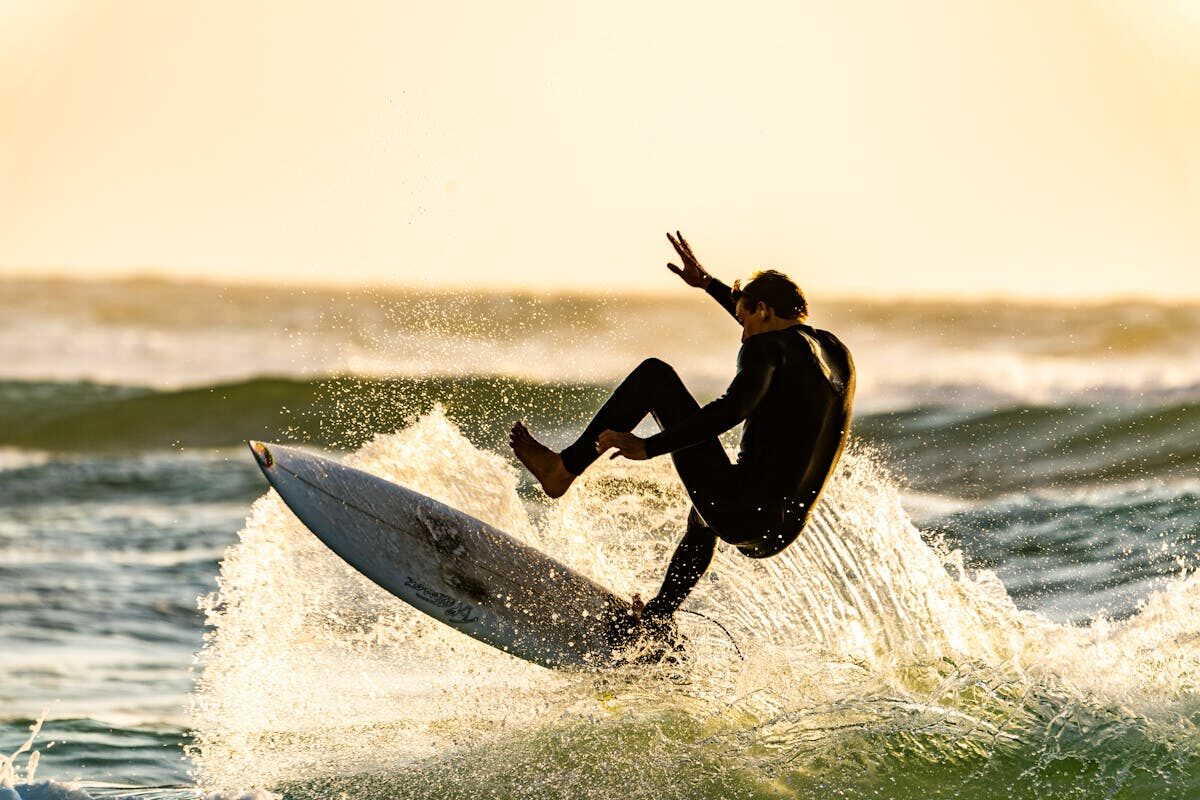
The Central Pacific Coast of Costa Rica delivers something rare: consistent, year-round surf that works for everyone from cautious first-timers to barrel-hungry pros. Most surf destinations make you choose; either mellow learner waves or serious reef breaks. Here, you get both within a 10-minute drive.
The stretch between Jacó and Playa Hermosa packs more variety into 5 kilometers than most coastlines offer in 50. Jacó’s forgiving beach break has multiple peaks scattered along 2.5 miles of sand (see our Jacó surfing guide for details). Playa Hermosa’s powerful barrels have hosted national championships for years (full breakdown in our Playa Hermosa surf guide). The swells arrive from the same storms tracking across the Pacific, but each beach shapes them differently.
This matters because you can match conditions to your actual skill level instead of pretending you’re better than you are, or worse, getting bored on waves that don’t challenge you. Traveling with people who surf differently? Everyone finds their session here.
Jacó: Where Progression Happens
Jacó functions as the Central Pacific’s surf headquarters for good reason. The 2.5-mile beach break creates dozens of peaks that shift with the sand, so you’re rarely fighting for position. The wave quality changes as you walk the beach, giving you options every session.
The north end near the estuary stays gentle most days. Small, rolling waves break over sandbars that reformation slowly. Beginners spend their first sessions here, practicing pop-ups without the punishment of heavy wipeouts. Surf schools cluster in this zone because the margin for error is wide.
Move to the center section and the pace picks up. The waves stand taller, break faster, and offer actual walls to work with. Intermediate surfers get proper practice; driving down the line, setting up turns, learning to read sections. You’ll see locals pulling maneuvers here, not just riding straight to the beach.
The south end near the rocks gets serious when swells pulse. Bigger sets march in, the sandbars create steeper takeoffs, and the crowd thins to people who know what they’re doing. On overhead days, this section delivers punchy barrels and legitimate drops.
This progression along one beach means you can adjust your session based on how you’re feeling. Rusty after months away from the water? Start north. Confidence building? Paddle toward the center. Swell pumping and you’re ready? Head south.
When Jacó Fires
Jacó works year-round, but the character shifts with the seasons. April through October brings the biggest and most consistent swells; long-period energy from storms spinning in the southern Pacific. Waves run chest-to-head-high regularly, with overhead sets on strong pulses. The wind stays lighter in the mornings, and the crowds spread out because the peaks multiply.
November through March sees smaller, wind-affected surf. Waist-to-chest-high waves remain consistent enough for daily sessions, especially if you surf early. The dry season wind picks up by mid-morning, so the 6-9am window becomes critical. Afternoon sessions work if you don’t mind choppier conditions.
Learning to surf? The smaller summer surf (December-March in Costa Rica) actually helps. You’re not getting ragdolled by set waves while trying to figure out how paddling works.
Playa Hermosa: The Real Deal
Walk 10 minutes south from Jacó’s main strip and everything changes. Playa Hermosa earned its reputation as Costa Rica’s most powerful beach break by consistently delivering what intermediate and advanced surfers travel for: fast, hollow waves that barrel with conviction.
The beach break here doesn’t coddle anyone. Waves stand up quickly, throw out hard, and barrel if you’re in position. The takeoff zone stays steeper than Jacó’s gentle ramps, so you need to paddle with commitment and pop up decisively. Hesitation gets you pitched.
This is where Costa Rica’s national surf championships happen, and you’ll understand why after one session. The waves have consequence. The barrels are real. The wipeouts teach you things.
Playa Hermosa runs for about 4 kilometers, and most visitors surf the main peak near the hotels. But walk south along the beach and you’ll find additional peaks with fewer people. The waves break the same way; fast and hollow, but you won’t be jockeying for every set.
Pay attention to the marked sea turtle nesting zones. Rangers rope off sections during nesting season, and you’ll want to respect that. Plenty of beach remains accessible for surfing.
Know Before You Paddle Out
Playa Hermosa is not a learn-to-surf beach. If you’re still working on your pop-up or can’t paddle confidently through whitewater, stay in Jacó’s north section. This beach punishes fundamental gaps in skill.
For intermediate surfers ready to level up, Playa Hermosa offers the perfect proving ground. The waves force you to improve your timing, commit to drops, and hold your line through critical sections. You’ll take beatings, but you’ll progress faster here than on forgiving beach breaks.
Advanced surfers find legitimately good barrels. Early morning sessions see locals threading deep pits on the overhead sets. The wave shape stays consistent enough that you can dial in positioning and start hunting cover-ups.
The current can push hard on big swells, especially during incoming tides. Rip channels form near the peaks, and you’ll need to work to stay in position. Fitness matters here; if you’re gassed after 20 minutes, Playa Hermosa will expose it.
Reading the Seasons and Swells
The Central Pacific faces southwest, catching long-period swells from storms tracking across the southern Pacific. This orientation means consistent wave energy year-round, but the size and quality fluctuate with seasonal patterns.
April through October delivers the best surfing. Larger, cleaner swells arrive more frequently. Multi-day runs of head-high surf happen regularly, with overhead to well-overhead sets on solid pulses. The wind stays lighter overall, mornings run glassy more often, and the water warms up. Expect chest-to-head-high waves most days at both beaches, with Playa Hermosa significantly more powerful than Jacó on the same swell.
November through March brings the dry season and smaller average surf. Swells still arrive consistently. You’ll surf every day if you want to, but the size drops to waist-to-chest-high on typical days. Bigger pulses still come through, especially December and January. The offshore wind patterns shift, and the morning glass-off window shortens. By 10am, the wind usually chops the surface.
Regardless of season, the best conditions happen between 6-9am. Dawn patrol isn’t just for the hardcore here. It’s the smart play. The wind stays calm, the surface runs clean, and the crowd hasn’t assembled yet. You’ll get better waves in those three morning hours than the rest of the day combined.
Tide affects both beaches differently. Jacó tends to work across all tides, with different peaks coming alive as the water level shifts. Playa Hermosa often performs best on mid-to-high tide, when the sandbars create that pitching, hollow shape. Check the local surf shops for current tide and swell info; they’ll tell you exactly where to paddle out.
Gear, Rentals, and Logistics
The beach instructors and small surf shops along both beaches rent boards for $15-20 per day. Hotel rental programs usually charge $40-50 for the same equipment. Unless you’re staying somewhere that includes boards in your rate, rent directly from the beach vendors and save your money for better meals.
For Jacó, beginners want a longboard or a high-volume funboard; something with enough float to make paddling easy and catching waves intuitive. Intermediate surfers can drop down to a thruster or a step-up funboard depending on the swell size.
At Playa Hermosa, the equipment requirements shift. Longboards become liabilities when the waves jack up steep and fast. Most surfers ride shortboards or performance funboards. If you’re unsure, the rental shops will match you to appropriate equipment based on the current conditions.
Wetsuits aren’t necessary. Water temperatures stay warm year-round (78-82°F), and most surfers wear boardshorts or bikinis. If you burn easily, consider a rashguard for sun protection during longer sessions.
Surf lessons run $50-70 for a 2-hour session in Jacó. Most instructors work the north end and can get true beginners standing up and riding whitewater in the first hour. If you’ve never surfed before, a lesson makes sense. You’ll progress faster with coaching than flailing around guessing.
Where to Base Yourself for a Surf Trip
Jacó gives you immediate access to beginner and intermediate waves, plus restaurants, grocery stores, and nightlife if that matters. The town has energy and infrastructure. You’re also positioned perfectly to drive to Playa Hermosa when the swell pumps or you want to challenge yourself.
Playa Hermosa offers a quieter base with the region’s best waves at your doorstep. Fewer restaurants and bars, less tourist traffic, more focus on surfing. If you’re here primarily to surf and don’t need constant entertainment options, Playa Hermosa delivers.
Most serious surf trips work best when you stay somewhere that eliminates friction. You want to wake up, grab coffee, check the surf, and be in the water within 20 minutes. You don’t want to waste an hour figuring out logistics while the morning glass-off window closes.
At Nest Stays, we manage vacation rentals in both Jacó and Playa Hermosa designed for exactly this scenario. Full kitchens for pre-dawn breakfast. Secure board storage. Outdoor showers to rinse salt and sand. Short walks to multiple surf breaks. Properties that function as base camps, not just places to sleep.
Our guests typically follow a pattern: surf early, return for coffee and breakfast, rest through the midday heat, maybe catch an afternoon session if conditions cooperate, then recharge for the next morning. The accommodations support that rhythm instead of fighting it.
Making the Most of Your Sessions
The surfers who score the best waves here follow simple patterns:
Surf early. The 6-9am window delivers the cleanest conditions almost every day. Set an alarm, get in the water while it’s still glassy.
Match the break to your skill level. Ego gets you hurt. If Playa Hermosa looks intimidating, spend more time in Jacó building your skills. If Jacó’s north end feels too easy, paddle toward the center or head to Hermosa.
Walk the beach. Both beaches have multiple peaks. Don’t just paddle out at the first spot you see. Walk 100 meters in either direction and find less crowded waves.
Respect the locals. The better surfers get priority on set waves. Don’t snake. Don’t sit inside. Earn your waves by waiting your turn and proving you can handle them.
Track the swell and tide. Conditions change throughout the day. What worked at low tide may close out at high. Check surf reports, ask locals, and adjust your session timing.
Stay longer than you think you need to. One of the biggest mistakes is booking a short trip and hoping for perfect conditions. Give yourself enough days to work through flat spells and wind swings. A week minimum gives you several good sessions. Two weeks lets you really dial in the breaks and make progression.
The Central Pacific rewards surfers who commit to learning its rhythms. The waves are here. The question is whether you’ll put in the sessions to figure out when and where they work best.
Start Planning Your Surf Trip
Surfing Costa Rica’s Central Pacific means choosing the right base, understanding which breaks match your level, and timing your sessions with the conditions. The waves are consistent. The water is warm. The progression potential; whether you’re learning to pop up or learning to pull into barrels; is real.
Ready to lock in your dates? Browse our vacation rentals in Jacó and Playa Hermosa, find a property that works as your surf base camp, and book direct. We’ll handle the details so you can focus on the waves.
Looking for more than just surf? Check out our complete guide to activities in the Central Pacific for what to do when the conditions go flat or you need a rest day.
The swells are already on their way. The only question is whether you’ll be here to meet them.
Frequently Asked Questions
What's the difference between surfing Jacó and Playa Hermosa?
Jacó offers a forgiving 2.5-mile beach break suitable for beginners to intermediates, with multiple peaks and progression zones. Playa Hermosa delivers fast, hollow, powerful waves for intermediate to advanced surfers—it’s where Costa Rica’s national championships happen. They’re 10 minutes apart.
When is the best time to surf the Central Pacific Coast?
April-October brings the biggest, most consistent swells with chest-to-head-high waves, lighter wind, and warmer water. November-March (dry season) has smaller waist-to-chest-high surf, more wind by mid-morning, but still consistent daily waves. Surf between 6-9 AM for the best conditions year-round.
Can beginners surf Playa Hermosa?
No. Playa Hermosa is not a learn-to-surf beach. Waves stand up quickly, throw out hard, and barrel with consequence. Beginners should surf Jacó’s north end instead. Playa Hermosa is ideal for intermediate surfers ready to level up and advanced surfers hunting barrels.
How much does it cost to rent a surfboard in Jacó?
Beach vendors and small surf shops rent boards for $15-20 per day. Hotel rental programs charge $40-50 for the same equipment. Surf lessons cost $50-70 for a 2-hour session. Wetsuits aren’t necessary—water temps stay 78-82°F year-round.
Where should I stay for a surf trip to the Central Pacific?
Stay in Jacó for beginner-intermediate waves at your doorstep plus restaurants and nightlife, with easy access to Playa Hermosa. Stay in Playa Hermosa for a quieter base with the region’s best waves steps away. Both are 10 minutes apart, so you can surf either beach daily.
Ready to Experience Jacó?
Book your Jacó vacation rental with Nest Stays — and wake up right where the action is.