Playa Hermosa Costa Rica: The Surfer's Guide to the Central Pacific's Best Wave
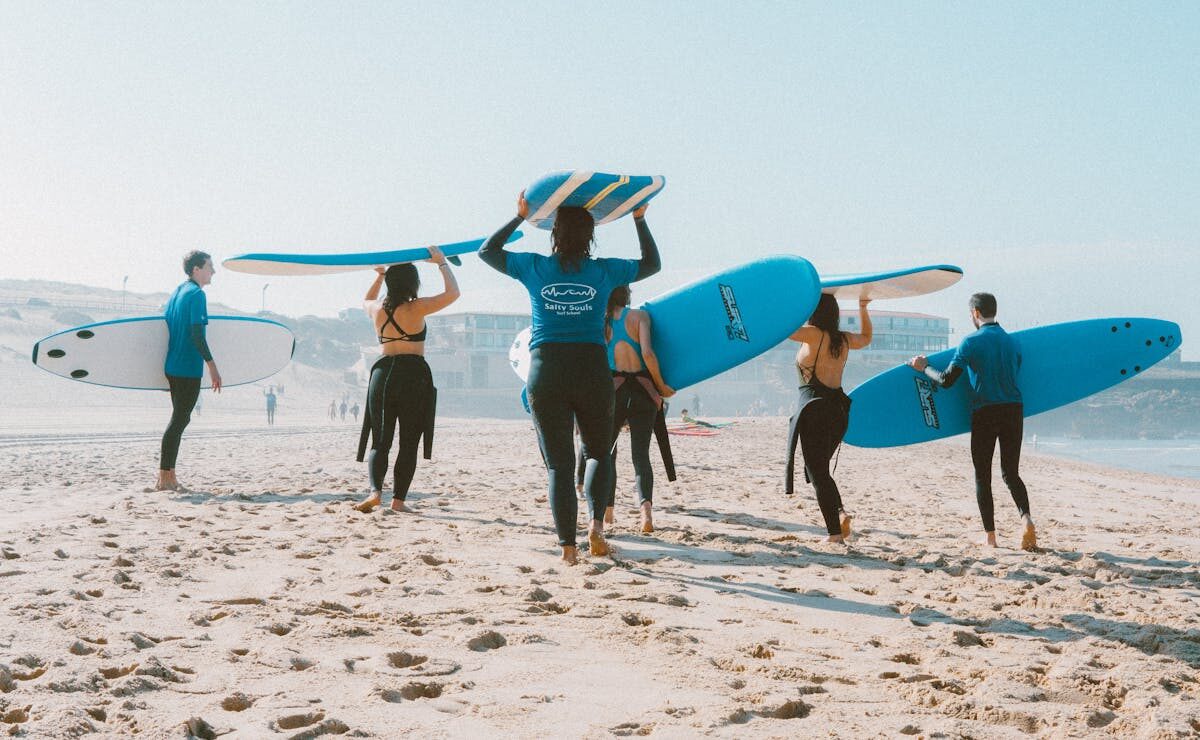
First: this guide is about Playa Hermosa near Jacó, on Costa Rica’s Central Pacific coast. Not the one in Guanacaste. Not the one near Santa Teresa. There are at least four beaches in Costa Rica named Playa Hermosa (“beautiful beach” in Spanish), which tells you something about the country’s relationship with naming things. The one in this guide is 6 kilometers south of Jacó on the Costanera Sur: darker, wilder, and substantially more powerful than the beach town you just drove past to get here.
If you’re a surfer looking for a serious wave, you’re in the right place. If you’re planning a family swimming trip, you need different information, and I’ll give you that too.
What Playa Hermosa Actually Is
The beach runs straight and long: roughly 8 kilometers of volcanic black sand backed by palms, a handful of low-rise surf hotels, and the occasional open-air restaurant. There are no high-rises. No casino. No main strip selling shot glasses and souvenir shirts. The Costanera Sur highway runs parallel about 100 meters back from the beach, and that’s about all the infrastructure there is.
In September 2020, Save The Waves announced Playa Hermosa as a World Surfing Reserve: one of a small number of surf breaks globally that have received this designation for the quality and consistency of their waves, the local surf culture, and the ecosystem surrounding them. The formal dedication ceremony took place in June 2022, when Playa Hermosa officially became the 12th World Surfing Reserve on the planet. For a beach this close to a major highway (90 minutes from San José), it has managed to stay remarkably un-developed.
That’s partly because the surf here is intimidating. When the swell is up, this beach self-selects for people who know what they’re doing. The casual resort crowd tends to stay in Jacó or Los Sueños. Playa Hermosa belongs to the surfers, the turtle researchers, and the small community of people who chose to plant themselves 10 minutes outside the action.
The Surf
In 2009, the ISA World Surfing Games were held at Playa Hermosa. That’s the short version of what you need to know about the quality of the wave.
The longer version: Playa Hermosa has a powerful beach break that produces hollow, fast waves with multiple peaks spread down the beach. Swells hit this coast with consistent energy year-round: the Pacific doesn’t take many days off here, but the biggest, most powerful surf arrives from May through November when the Southern Hemisphere swell season is running and tropical systems are churning offshore. During peak swell, waves regularly break overhead and beyond. Water temperature sits around 80°F year-round. The paddle-out can be a workout.
This is not a beginner beach. The shorebreak is heavy, rip currents are a regular feature of the beach, and the wave face moves fast. If you’re learning to surf, go to Jacó. The north end of Jacó’s beach was built for beginners: gentle, forgiving peaks, sandy bottom, a dozen surf schools ready to help you stand up on your first afternoon. Come to Playa Hermosa when you can confidently duck-dive, read a lineup, and handle overhead surf without panicking. The local crew is serious about their surfing and the waves deserve respect.
If you’re an intermediate or advanced surfer, Playa Hermosa delivers. Walk the length of the beach and you’ll find less crowded peaks, the breaks directly in front of the main hotel area get the most traffic. Move 15 minutes south along the sand and you’ll often find the same quality wave with half the people on it.
Board rentals and surf shops are available in the small town center. Local instructors run lessons for confident intermediate surfers who want coaching on a more powerful wave. The Backyard Hotel, one of the better-known surf lodges on the beach, can connect you with guides and equipment.
A note on seasons: “consistent” doesn’t mean identical. Dry season (December through April) still produces surf here, but the swells run smaller and cleaner. This is when the wave becomes more manageable for intermediate surfers without losing its shape. Rainy season (May through November) brings the power. If you’re chasing serious barrels, book your trip between June and October.
Swimming: Be Honest With Yourself
Playa Hermosa is not a swimming beach. It’s a surf beach, and the distinction matters.
Strong rip currents form regularly along this stretch. The shorebreak (waves breaking directly on the shoreline) is heavy enough to knock over adults who aren’t paying attention. Lifeguard coverage is limited and not reliably present. This is not a beach where you can wade in and splash around without thinking.
If you’re a strong ocean swimmer who genuinely understands rip currents (we mean actually understands them, not “has read about them”) you can enter at your own significant risk. Local guidance, including the most detailed resources on this specific beach, categorically advises against swimming here regardless of skill level. The currents don’t care about your fitness level. Enter the water with that knowledge.
For families with young kids, don’t swim at Playa Hermosa. Take the 15-minute drive north to Herradura Bay instead. It’s a sheltered crescent of calm water specifically suited to families with children who want to actually get in the ocean. The contrast between Herradura and Playa Hermosa is stark: same coastline, completely different ocean conditions.
This isn’t alarmism. It’s what every local will tell you, and it’s the kind of information that makes a real difference.
The Vibe: Surf, Eat, Sleep, Repeat
Playa Hermosa operates on a simple rhythm. Surfers check the swell forecast the night before (Surfline and Magic Seaweed both cover this break well), get in the water early before onshore winds pick up, eat something, maybe surf again, eat again, sleep early. There’s no nightlife here. The restaurants close at reasonable hours. The beach gets dark and quiet by 9 PM.
This isn’t a complaint. It’s the appeal. The community that’s built up around Playa Hermosa is small, tight-knit, and serious about surfing without being obnoxious about it. You’ll find long-term expats who came for a week and never left, Costa Rican surfers who drive down from San José on weekends, and international surfers who discovered this coast and decided Jacó’s energy was fine for dinner but Playa Hermosa was where they actually wanted to be.
There are a handful of surf camps, boutique hotels, and vacation rental homes along the beach road. The infrastructure is thin but sufficient: a small market for essentials, a few restaurants, surf shops, and the sense that the people who live here chose it intentionally.
Where to Stay
Options fall into three categories: surf camps, small boutique hotels, and vacation rental homes.
Surf camps are the obvious fit for solo surfers and small groups who want coaching, equipment, and a social scene built around getting in the water every day. Most operate as all-inclusive packages covering board rental, instruction, and meals.
Boutique hotels along the beach road (places like The Backyard Hotel) offer the combination of direct beach access, a decent restaurant, and a pool without the surf camp structure. Good option for surfers who want their own schedule.
Vacation rentals make sense for groups of 4 or more, or for travelers who want more space and a kitchen. Playa Hermosa has a growing inventory of well-run rental homes, several of them with beach access or close proximity to the breaks. Rates here are generally lower than comparable properties in Jacó, which reflects the smaller tourist volume rather than any difference in quality.
One practical approach that many people take: stay in Jacó and drive 10 minutes south to surf Playa Hermosa when conditions are right. You get Jacó’s restaurant variety and grocery infrastructure with access to Hermosa’s waves on demand. It works particularly well if you’re traveling with a mixed group where not everyone is a dedicated surfer.
If you’re set on being in Playa Hermosa itself, browse vacation rentals on the Playa Hermosa page: you’ll find options ranging from basic surf-access studios to larger homes with pools and direct beach proximity.
Where to Eat
The restaurant situation at Playa Hermosa is honest: there are maybe a dozen spots, they’re good, and two of them will become your defaults by day three.
The Backyard Hotel restaurant is the most consistent option: beachfront setting, solid food, cold beer, and the kind of place that works for both a casual post-surf lunch and a proper dinner. Reliable rather than revelatory.
Pizza Pata handles the casual pizza-and-beer need that emerges around 7 PM when you’ve been in the water since 6 AM and don’t want to think too hard about dinner.
Vista Hermosa is a good choice for bar food and sunset drinks, with a view that earns the name.
Hotel Las Olas runs a sushi menu that’s better than it has any right to be for a beach with this population size.
Beach sodas (small, informal Costa Rican diners) fill in around the edges with casados: the rice-beans-plantains-protein plates that cost $6 and are consistently good. These are your lunch spots.
For anything beyond this, Jacó is 10 minutes north. The full range of dining options from cheap sodas to wood-fired pizza to proper sit-down restaurants is available without committing to more than a short drive. Hermosa’s restaurant scene supplements rather than replaces Jacó for people staying here longer than a few days.
Getting to Playa Hermosa
From San José’s Juan Santamaría Airport (SJO), take Route 27 (the Caldera Highway) west toward the Pacific coast. The highway is excellent and well-signed, with toll plazas along the way ($10-12 total). At the Jacó exit, continue south on Route 34 (the Costanera Sur) rather than turning into Jacó itself. Playa Hermosa is clearly signed, 10 minutes and about 6 kilometers south of Jacó’s central beach.
The whole drive is about 1 hour 45 minutes under normal conditions. Add 15-20 minutes on Friday afternoons and Sunday evenings when Josefino traffic packs the coast road.
Private transfer: $140-185 from SJO for up to 4 people. Book through your property manager or a vetted local operator.
Rental car: $35-60/day and strongly recommended if you’re planning to explore beyond Playa Hermosa itself. The road is paved and doesn’t require a 4x4.
From Jacó, Playa Hermosa is also an easy day trip with no car needed if you use a taxi or arrange transport. Many surfers staying in Jacó make this drive daily when Hermosa’s swell is better than Jacó’s.
For more on getting to the Central Pacific corridor, the Jacó area guide covers Route 27 logistics in detail.
Playa Hermosa vs. Jacó: The Honest Comparison
These two places are 10 minutes apart and serve completely different purposes.
Playa Hermosa is for people who want to surf, watch turtles nest, walk a long quiet beach, and not hear a bar from their bedroom window. The dining scene is small, the pace is slow, and the entertainment is the ocean. You go to Hermosa when you’ve decided what you want out of Costa Rica and it isn’t a packed schedule.
Jacó is for people who want options. Fifty restaurants. Surf lessons on the beach. Tour operators running every day trip the region offers. Nightlife that goes until 2 AM. The ability to walk to a pharmacy, a grocery store, and a sushi restaurant within 10 minutes of each other. Jacó is a working town that happens to be on the coast; Playa Hermosa is a surf community that happens to have a few restaurants.
Both are worth your time. Many people split a week between them, a few days in Jacó to get logistics sorted and hit the beginner breaks, then move south to Playa Hermosa when they’re ready for the real thing. Browse our Jacó rentals if you want to base yourself there with day trips south; check Playa Hermosa listings if you want to be directly on the wave.
For a deeper look at surfing options across the region, the Central Pacific surfing guide covers how Hermosa fits into the broader picture.
The Wildlife
July through December, female olive ridley sea turtles crawl up Playa Hermosa at night to nest. This stretch of beach is protected as a wildlife refuge; SINAC (Costa Rica’s national conservation authority) manages the turtle monitoring program, and local conservation groups run guided nighttime turtle-watching tours during nesting season.
The nesting process takes a couple of hours. The turtle arrives well after dark, digs her nest with her back flippers, lays around 100 eggs, covers the nest, and returns to the ocean. It’s quiet and methodical and genuinely moving to watch. Baby sea turtles hatch 45-55 days later; October and November see the hatching season running alongside new nesting activity. Dawn releases, when hatchlings make their first run to the ocean, happen in groups and are worth setting an alarm for.
Practical notes for turtle watching: Book through a local conservation group or your property manager rather than random tour operators, the programs with proper SINAC involvement are also the ones that keep appropriate distances and don’t use white lights near nesting turtles. Red-filtered lights are the standard; flashlights and phone screens disorient the animals and should be turned off on the beach at night during nesting season.
Away from the beach itself, the corridor between Carara National Park (15 minutes north) and Manuel Antonio (an hour south) makes Playa Hermosa excellent wildlife territory. Scarlet macaws fly over in the late afternoon: pairs or small groups, loud and unmistakable. Howler monkeys work the trees back from the beach most mornings. Iguanas are everywhere and have long since stopped caring about your presence.
The Bottom Line
Playa Hermosa isn’t trying to be anyone’s idea of a complete Costa Rica vacation. It’s a surf beach (one of the best on the Central Pacific) with enough supporting infrastructure to live comfortably while you focus on the water.
Come here if you can surf and want to get better. Come here during nesting season if you care about watching sea turtles. Come here if Jacó’s energy is the right level for dinner but you want to wake up to something quieter.
Don’t come here expecting a swimming beach, a restaurant with 30 items on the menu, or a nightlife scene. You’ll find all of that 10 minutes north.
If you’re planning a trip to the Central Pacific, explore Nest Stays vacation rentals in Playa Hermosa and Jacó: we handle logistics, airport transfers, surf lesson bookings, and local guidance so you can spend your time in the water.
Frequently Asked Questions
What's Playa Hermosa Costa Rica known for?
Playa Hermosa near Jacó is a World Surfing Reserve (designated 2020, official ceremony 2022) known for powerful, hollow beach breaks. It’s hosted the ISA World Surfing Games (2009) and is one of only 12 World Surfing Reserves globally. Located 6km south of Jacó, it’s also a sea turtle nesting beach (olive ridley turtles, July-December) under SINAC wildlife refuge protection. It’s undeveloped compared to Jacó—no high-rises, minimal infrastructure, just serious surf and nature.
Can you swim at Playa Hermosa near Jacó?
No, do not swim at Playa Hermosa. This is a surf beach with powerful shore breaks, strong consistent rip currents, and no lifeguards. Local guidance categorically advises against swimming regardless of skill level. The currents and heavy shorebreak make it dangerous for casual swimming. For families with kids wanting calm water, drive 15 minutes north to Herradura Bay instead, which is a protected, sheltered cove specifically suited for swimming.
Is Playa Hermosa good for beginner surfers?
No, Playa Hermosa is not for beginner surfers. It’s for intermediate to advanced surfers who can confidently duck-dive, read lineups, and handle overhead surf. The beach break is powerful, hollow, and fast-moving with heavy shore breaks and rip currents. Beginners should surf at Jacó’s north end instead—10 minutes away with gentle, forgiving waves, sandy bottom, and a dozen surf schools. Come to Playa Hermosa when you’ve progressed beyond the learning stage.
When is the best time to surf Playa Hermosa?
Playa Hermosa has year-round surf, but the biggest, most powerful waves arrive May-November during Southern Hemisphere swell season, with peak barrels June-October. Dry season (December-April) brings smaller, cleaner swells better suited for intermediate surfers. Water temperature is ~80°F year-round. Surf early morning before onshore winds pick up. Multiple peaks spread down the 8km beach—walk 15 minutes south for less crowded breaks with the same quality wave.
What's the difference between Playa Hermosa and Jacó?
Playa Hermosa (6km south of Jacó) is a quiet surf community with serious waves, minimal development, and no nightlife—focused on surfing and turtle nesting. Jacó is a working beach town with 50+ restaurants, surf lessons, tour operators, shopping, and nightlife until 2am. Many surfers stay in Jacó and drive 10 minutes to Hermosa when conditions are right, or split a week between both. Hermosa is for people who want to surf and be left alone; Jacó is for people who want options.
Ready to Experience Playa Hermosa?
Book your Playa Hermosa vacation rental with Nest Stays — and wake up right where the action is.