Day Trip from Los Sueños to Manuel Antonio: How to Plan It
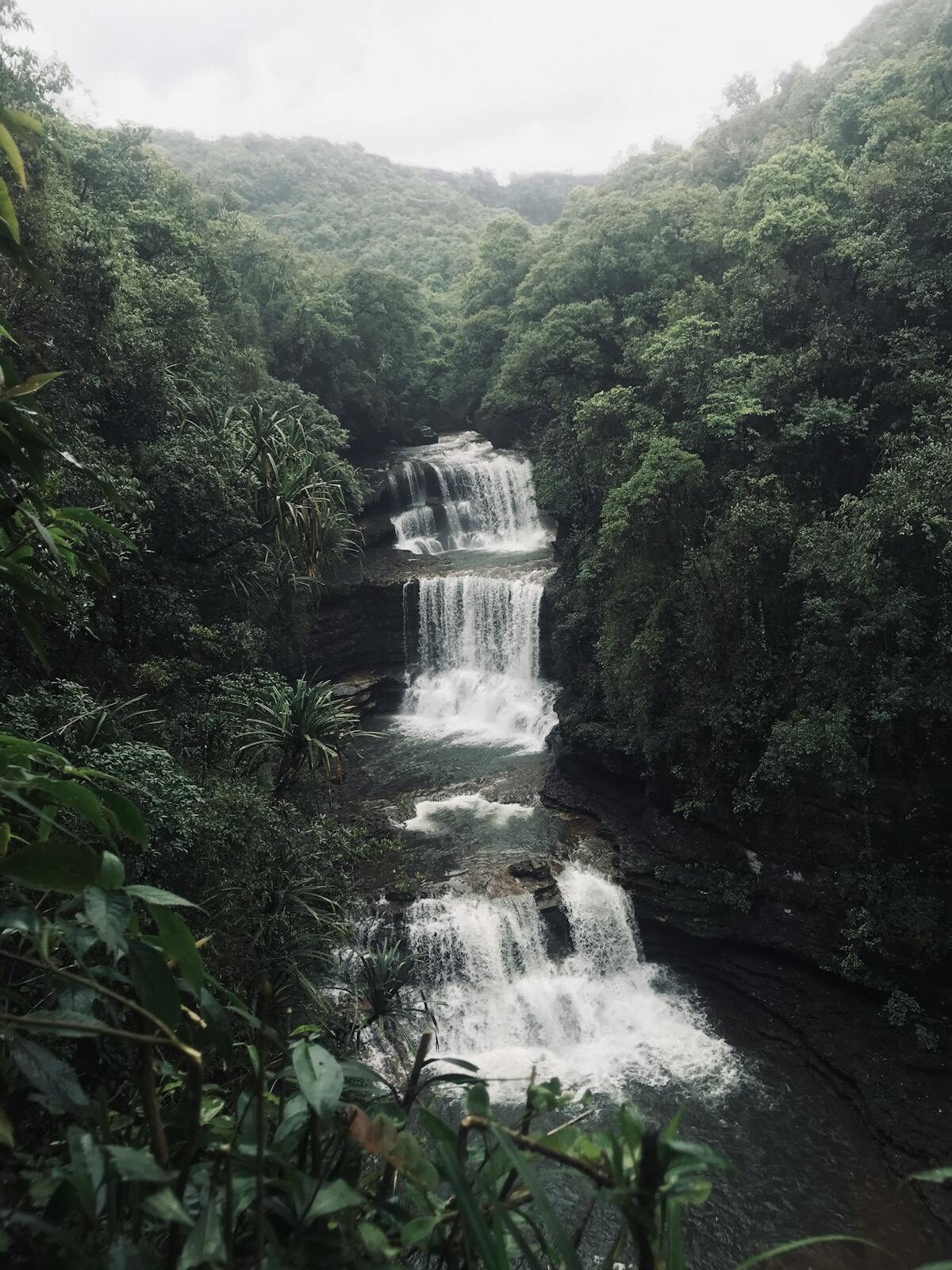
Manuel Antonio National Park is one of the most visited parks in Costa Rica, and for good reason: four beaches, a network of well-marked trails, three species of monkey, and sloths in nearly every tree. From Los Sueños, it’s about an hour to an hour and a half down the coast on Route 34. That’s close enough for a comfortable day trip without the 4AM wake-up call.
This guide covers everything you need to plan the day: driving, parking, tickets (buy them before you arrive or you’re not getting in), guides, the best trails and beaches, and a few stops worth making in Quepos on the way.
The Drive from Los Sueños
Los Sueños sits in Herradura, about 10 minutes north of Jacó. From there, it’s a straight shot south on Route 34, a well-maintained coastal highway that runs past Jacó, through Parrita, and into Quepos. The park entrance is 7 km past Quepos, toward Manuel Antonio town.
Total drive: roughly 1 hour under normal conditions, closer to 1.5 hours with traffic or rain. Rainy season afternoons can slow things down. Leave Los Sueños by 7:30 AM at the latest. The park opens at 7 AM, animals are most active in the morning, and tickets at peak season sell out before noon.
The road is paved the entire way. No off-roading, no dirt tracks. Just Route 34 south with the Pacific on your right.
The One Thing Everyone Gets Wrong: Tickets
The park does not sell tickets at the entrance. There is no ticket booth where you walk up and pay. If you arrive without a reservation, you are not getting in.
Buy your tickets in advance at the SINAC website: serviciosenlinea.sinac.go.cr
The park limits daily visitors — the exact cap has been subject to legal changes (a 2023 Constitutional Court ruling reportedly reduced it significantly), so don’t assume capacity. During Semana Santa, Christmas week, and long weekends, the park sells out days in advance. Even in shoulder season, don’t wait until the night before. Book as soon as you know your date.
Entrance fees (as of early 2026, subject to change; verify current rates at sinac.go.cr):
- Adults (foreigners): $16 USD + tax
- Children ages 2–12: $5 USD + tax
- Children under 2: free
Tickets are single-entry. Bring your passport or a clear photo of it; rangers check it at the gate.
Park Hours
Manuel Antonio is open Wednesday through Monday, 7 AM to 4 PM. It is closed every Tuesday.
Park rangers start clearing the beaches at 3 PM, and everyone needs to be out of the park by 4 PM. If you’re planning a beach swim, factor that in: a 7 AM arrival gives you the full window; a 10 AM arrival gives you a rushed afternoon.
The park is open on most holidays. Christmas and New Year’s are fine as long as they don’t fall on a Tuesday.
Do You Need a Guide?
Short answer: yes, if wildlife is the point.
The trails look empty to the untrained eye. A good guide turns them into a three-hour wildlife documentary. They carry spotting scopes, know where the sloths sleep, can pick out a fer-de-lance that’s two feet off the trail and invisible without knowing what to look for. Most visitors who skip the guide spend their time looking at an apparently empty canopy while people with guides are pointing at something with a scope.
Guided tours with entrance included typically run $59–$65 per adult and $40–$49 per child for a 2.5–3 hour walk, though prices vary by operator and season — confirm current rates when you book. That includes bilingual naturalist guides, professional spotting scopes, and typically a confirmed entry time. Some operators include round-trip transportation from the Quepos/Manuel Antonio area, though if you’re coming from Los Sueños in your own car, that part doesn’t apply.
If you book through a tour operator, confirm they handle your SINAC ticket booking. If you’re self-guided, you handle tickets separately through SINAC.
Either way: book early for high season dates.
What to See in the Park
Wildlife
The capuchin monkeys are the most visible. White-faced, clever, and completely unafraid of people: they’ll approach if you have food, which is exactly why you should keep everything sealed and in your pack. Howler monkeys are usually in the canopy and you’ll hear them before you see them (they sound like something out of the Jurassic period). Squirrel monkeys are smaller, shyer, and listed as endangered. Spotting them is a genuine highlight.
Sloths are in most trees if you know the silhouette. They look like a growth on a branch. Two-toed sloths tend to be higher up; three-toed sloths are a bit easier to find lower in the canopy. Your guide will find them.
Other regulars: toucans, coatis (small raccoon-like mammals that will absolutely get into your bag), iguanas, colorful basilisk lizards, and agoutis rooting around on the forest floor. From the beaches, it’s not unusual to spot dolphins offshore.
For more on the wildlife you can expect throughout Costa Rica’s Central Pacific, the Nest Stays wildlife guide covers what’s in the area by season.
Trails
Sendero Principal is the main trail, flat, wide, and well-marked. It runs from the entrance through the primary forest to Manuel Antonio Beach. Most guided tours use this as the backbone and branch off from it. If you only do one trail, this is it.
Punta Catedral Trail is a 1.4 km loop around Cathedral Point, the headland between Manuel Antonio Beach and Playa Espadilla Sur. Moderate difficulty, some elevation, and some of the best views in the park: Pacific islands, white sand below, and howler monkeys overhead. Capuchin monkeys hang out on the far half of the loop. Worth the extra 45 minutes.
Note: Punta Catedral Trail has had periodic closures for maintenance. Check the SINAC site before your visit.
The Mirador Trail climbs a bit and offers a lookout over the park and coastline. The Manglar Trail runs through mangrove forest at the park entrance and is good for birds and caimans if you look into the channels.
Beaches
Manuel Antonio Beach is inside the park, in a protected cove with calm water. The swimming is safe. It gets busy by midmorning — get there early. Lounge chairs are not available; bring a towel.
Playa Espadilla Sur is the long beach on the other side of the Punta Catedral tombolo. Fewer people, but currents can be strong. Swim with caution here.
Playa Tesoro is a smaller, more sheltered beach tucked further along the coastline — generally quieter than the main beaches and worth the extra walking.
Playa Gemelas is further in and requires a bit more walking. Significantly fewer people. Worth it if you want a quieter stretch.
Puerto Escondido is the most remote beach in the park, but check current trail status before counting on it — the trail to Puerto Escondido has been intermittently closed, including reportedly as recently as 2025.
One very specific note: do not sit under a Manzanillo tree. These grow on Espadilla Sur and other park beaches. They’re the ones with small green apple-like fruit. The sap causes chemical burns, and the fruit is toxic. They’re signposted at the entrance, but they’re easy to overlook when you’re scanning for a shady spot.
What to Bring
- Water (at least 1.5 liters per person; it’s legitimately hot in there)
- Bug spray
- Sunscreen
- Dry bag or small pack that closes properly
- Swimsuit and towel
- Comfortable closed-toe shoes if you’re hiking Punta Catedral or Mirador
- Passport (original or clear photo)
- Your SINAC ticket confirmation on your phone
Leave valuables locked in your car. Break-ins near tourist parking happen.
Parking
The park has no official parking lot. Locals operate private lots about 150 meters from the entrance. The main recommended lot is labeled “Manuel Antonio National Park – Official Parking” on Google Maps. It’s not run by SINAC, but it’s reliable and the most organized option. Expect to pay around 5,000 colones for the day (~$9–10 USD). Pay in local currency if possible.
Heads up: as you descend the last hill toward the park, people will wave you into parking lots that are 500+ meters from the entrance. These are not the main lot. They’ll tell you that you can’t enter the park without parking there. That’s not true. Keep driving.
Stopping in Quepos
Quepos is a small working town 7 km from the park entrance and worth 30–45 minutes on the way there or back. The mercado and central market are worth a walk. Lunch spots on or near the main street are mostly local sodas: rice, beans, fresh fish, reasonable prices.
If you prefer something a step up from a soda, there are restaurants in the town center and along the road between Quepos and Manuel Antonio. The options get fancier as you get closer to Manuel Antonio town, with a few places that do proper seafood with ocean views.
On the way back, Jacó is a 45-minute drive north and has more options for dinner or evening drinks before the final 10-minute stretch back to Los Sueños.
Sample Day Timeline
| Time | What |
|---|---|
| 7:15 AM | Leave Los Sueños |
| 8:30 AM | Arrive, park, walk to entrance |
| 8:45 AM | Guided tour starts |
| 11:30 AM | Tour ends, beach time (Manuel Antonio Beach) |
| 1:00 PM | Lunch in park restaurant or head to Quepos |
| 2:30 PM | Back in park or browsing Quepos |
| 3:30 PM | Exit park before 4 PM closure |
| 4:15 PM | Leave Quepos/Manuel Antonio |
| 5:45 PM | Back at Los Sueños |
You can trim the return by skipping Quepos and driving straight back. That gets you home by 5:15 PM or so.
Planning from Los Sueños
The most common version of this day trip is renting a car and doing it independently, which works well given how straightforward the drive is. If you’d rather not drive, shared shuttles and private transfers run between the Los Sueños/Jacó area and Manuel Antonio.
Our team at Nest Stays can arrange private transfers or recommend tours that include transportation and park entry. Either way, get your SINAC tickets locked in before you arrive. That’s the one piece you can’t fix on the day.
For more on what to do during your stay in the area, the Los Sueños guest guide covers tours, the marina, golf, and other day trip options from the resort.
Park hours, fees, and reservation requirements can change. Always verify current information at sinac.go.cr before your visit.
Frequently Asked Questions
Do I need to buy Manuel Antonio tickets in advance?
Yes, absolutely. The park does not sell tickets at the entrance—there is no ticket booth. You must buy tickets in advance through the SINAC website at serviciosenlinea.sinac.go.cr. During peak season (Semana Santa, Christmas, long weekends), the park sells out days in advance. Book as soon as you know your travel date or you won’t get in.
Do I need a guide for Manuel Antonio National Park?
Yes, if wildlife is the point. A good guide transforms apparently empty trails into a three-hour wildlife documentary using spotting scopes to find sloths, monkeys, and camouflaged animals invisible to untrained eyes. Guided tours cost $59-$65 per adult for 2.5-3 hours with bilingual naturalist guides and confirmed entry. Self-guided visitors often miss wildlife that guided groups easily spot.
How long does it take to drive from Los Sueños to Manuel Antonio?
About 1 hour to 1.5 hours depending on traffic and weather. The route is a straight shot south on Route 34 (paved the entire way) past Jacó, through Parrita, into Quepos, then 7km to the park entrance. Leave Los Sueños by 7:30am at the latest to catch morning wildlife activity and secure parking. Rainy season afternoons can slow the drive.
What should I bring to Manuel Antonio National Park?
Bring at least 1.5 liters water per person, bug spray, reef-safe sunscreen, a waterproof bag or pack, swimsuit and towel, comfortable closed-toe shoes for trails, and your passport (original or clear photo) plus SINAC ticket confirmation on your phone. Leave valuables locked in your car—parking lot break-ins happen. The park has no lockers.
Ready to Experience Los Sueños?
Book your Los Sueños vacation rental with Nest Stays — and wake up right where the action is.