Catamaran Tours & Tortuga Island Day Trips from Jacó
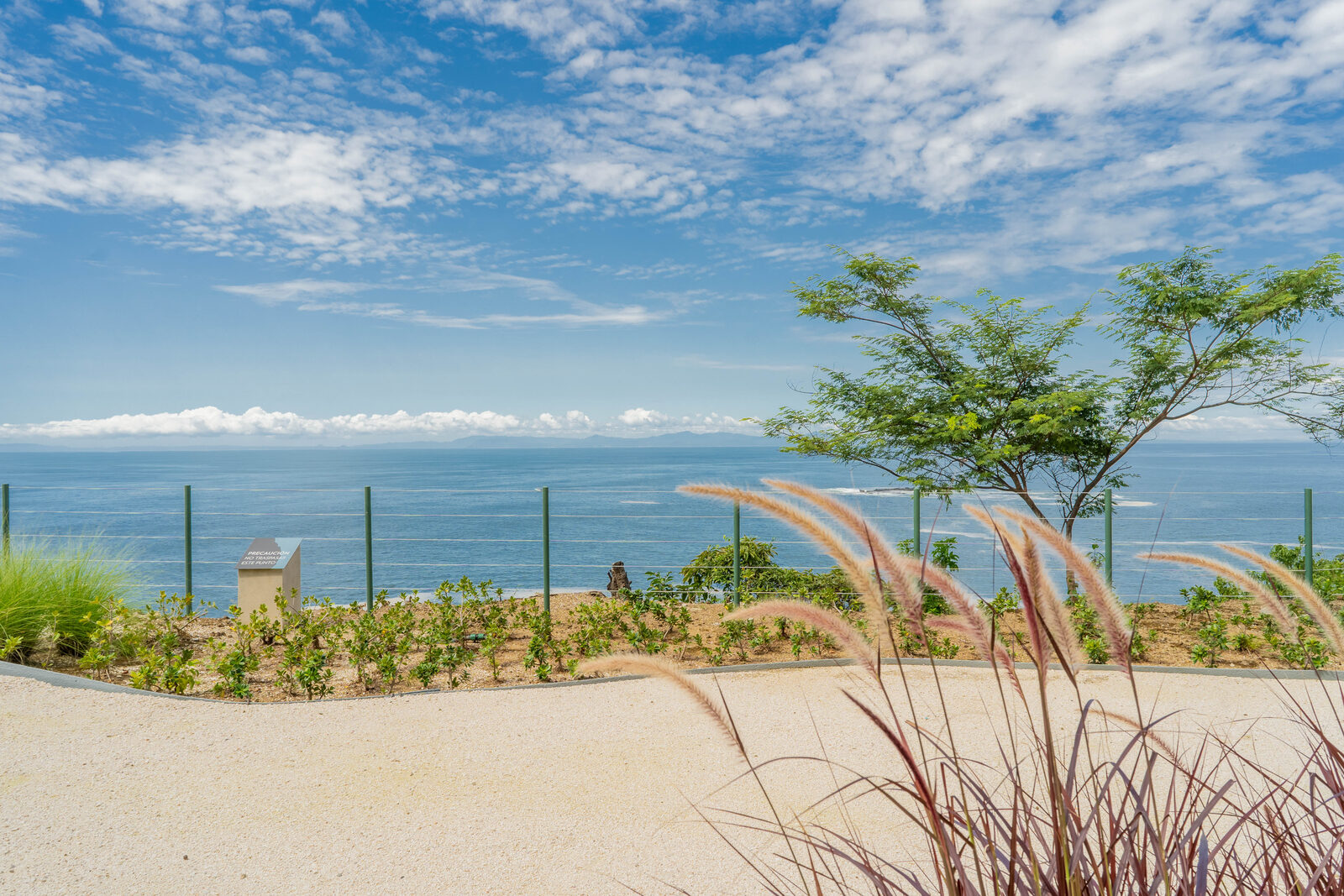
A catamaran tour to Tortuga Island is one of the most popular day trips in Costa Rica, and for good reason. You get open water, white sand, snorkeling, a proper lunch, and enough rum punch to make the boat ride back feel short. For guests staying in Jacó or Los Sueños, this is the day trip that gets talked about most when people get back to the house.
Here’s what you actually need to know before you book.
What to Expect on the Water
These tours run on catamarans, typically 40–60 feet long with shaded deck space, a sun trampoline up front, and a small bar. The boat fits anywhere from 20 to 60 passengers depending on the operator, so the experience can range from intimate to more of a party boat atmosphere. Most operators fall somewhere in the middle.
The water on the Central Pacific coast can be choppier than the Caribbean side, particularly during the rainy season. If you’re prone to motion sickness, take a Dramamine the night before and again in the morning. The catamaran’s wide hull helps with stability, and the crossing to Tortuga Island from Los Sueños Marina runs about 45 minutes each way, which is short enough that even people with mild seasickness usually manage it fine.
What you won’t get is boredom. Dolphins are a common sighting on the crossing from Jacó, particularly in the morning hours. Humpback whales pass through between December and mid-March (northbound) and again July through October (southbound). Spotting one from the deck is the kind of thing that makes people book a return trip.
What a Typical Day Looks Like
Most catamaran tours from Jacó run as full-day trips. The day goes roughly like this:
6:30–7:30 AM: Hotel pickup from Jacó or Playa Hermosa. Some tours depart from a marina dock; others pick up by van and bring you to the boat.
Departure: The catamaran heads north-northwest into the Gulf of Nicoya. Travel time from Los Sueños Marina to Tortuga Island is about 45 minutes.
Tortuga Island: You’ll spend 3–4 hours at the island: swimming, snorkeling, kayaking, and eating. Lunch is served on the beach or on the boat, depending on the operator.
Return: The trip back is usually more relaxed, with drinks flowing and passengers sun-tired. You’re back in Jacó by late afternoon, around 4–5 PM.
What’s Included
Almost every operator includes the following in the base price:
- Round-trip transportation from your hotel (most Jacó-area operators)
- Snorkeling gear (mask, snorkel, fins)
- Kayaks at the island
- Lunch (typically grilled fish or chicken, rice, salad, fruit)
- Open bar: beer, mixed drinks, water, soft drinks
- Tortuga Island entrance/conservation fee (around $25/person; some operators include it, others add it separately)
Pricing
Full-day tours: $85–$150 per person. The spread is mostly about group size and what’s included. Budget-end tours tend to have larger groups and simpler meals. Higher-end tours offer smaller groups, better food, and sometimes a champagne welcome or a private section of the beach.
Half-day tours: $70–$100 per person. Less common from Jacó, but they exist. You’ll spend less time at the island (1.5–2 hours instead of 3–4) and won’t get a full lunch, but the price is lower and you’re back by noon.
Children under 4 typically sail free. Ages 4–12 usually get a 30–50% discount. Always confirm the children’s policy when you book.
Tortuga Island
Tortuga Island (Isla Tortuga) sits off the southeastern shore of the Nicoya Peninsula, in the Gulf of Nicoya, about 25 kilometers from the nearest mainland town of Tambor. It’s uninhabited, protected as a forest reserve with an Ecological Blue Flag designation (not a national park, despite what some tour operators say), and the beach is exactly what you’re picturing: powder-white sand, turquoise water, and palm trees.
The name comes from the sea turtles that have historically nested on the island. You’re unlikely to see them during a day tour (they nest at night), but the name stuck.
Snorkeling at Tortuga Island
Snorkeling conditions here are good but not spectacular by global standards. Visibility typically runs 10–20 feet, and you’ll see reef fish, sea urchins, the occasional moray eel, and if you’re lucky, a sea turtle cruising the shallows. The coral is modest. Nobody comes to Tortuga Island specifically for world-class snorkeling the way they might go to the Caribbean or the Catalinas further south. But for a day that includes a boat ride, a beach, and lunch, the snorkeling adds genuine value.
The best snorkeling is off the rocks at either end of the main beach, not directly in front of the main landing area. Most guides will point you in the right direction once you’re there.
What Else You’ll Do There
Beyond snorkeling, you’re mostly there to be on a beautiful beach with a drink in your hand. Kayaks come with almost every tour, and paddling around the island’s coves gives you a different view of the coastline. Some operators bring water toys: paddle boards, inflatable platforms, that sort of thing.
The beach has some shade from the palms but gets crowded during peak season when multiple boats land at the same time. If you want a quieter experience, ask your operator which departure times typically arrive when fewer other boats are there. Early departures usually beat the crowd.
Choosing an Operator
There are a lot of catamaran tour operators in Costa Rica, and most of the well-established ones have been running this route for years. What to look for:
Group size matters more than price. A $150 tour with 20 passengers will be a better day than a $90 tour with 55. Ask directly: “What’s the maximum passenger count?”
Confirm what “open bar” means. Most tours include beer, local spirits, and mixers. Some cut off alcohol during snorkeling and only serve during the ride. If the party atmosphere is what you’re after, ask about the drinking schedule.
Check the lunch. A grilled fish lunch on the beach is better than a pre-packed sandwich. It sounds obvious but the menus vary.
Read recent reviews, not the average score. A tour with a 4.7 rating from 3 years ago that’s now getting 3-star reviews is different from one with consistent 4.8s over the last 12 months. Check TripAdvisor and Google reviews from the past 90 days.
Our guest services team can recommend specific operators based on who’s had the best experience most recently. What works well changes seasonally, and word-of-mouth from guests who just got back is worth more than any list.
Seasonal Considerations
Dry season (December through April) is the best time for this tour. Seas are calm, skies are clear, and the catamaran crossing is smooth. Visibility at the snorkel site is at its best. This is also peak tourist season in Costa Rica, so book at least a week ahead, ideally more.
Rainy season (May through November) doesn’t mean tours stop. They run most days, and the green hillsides of the Nicoya Peninsula in the wet season look genuinely stunning. But afternoon rains are common and seas can be rougher. Morning departures are more reliable than afternoon ones. Some operators pause during particularly rough weather windows in September and October.
Humpback whale season overlaps with both periods: December through mid-March for North Pacific humpbacks, July through October for South Pacific humpbacks. If whale watching is a priority, schedule your catamaran trip during either of those windows.
Half-Day vs. Full-Day: Which to Book
Book the full day unless you have a specific reason not to. The travel time to Tortuga Island is the same either way (about 90 minutes round trip on the water from Los Sueños Marina), so a half-day tour compresses all your island time into a short window. You arrive, snorkel for an hour, eat a quick lunch, and turn around. The economics of time don’t favor it.
That said, half-day tours make sense in a few situations:
- You have young children who aren’t up for a long day on a boat
- You’re only in Jacó for one night and need the afternoon free
- You get seasick and want to minimize time on the water
- You’re combining it with another activity on the same day
For most guests, the full-day tour is the one worth doing.
Departure Points: Jacó, Manuel Antonio, and Tambor
You can catch a catamaran tour to Tortuga Island from three main areas on the Central Pacific coast. Here’s how they compare:
Jacó / Los Sueños / Playa Hermosa The crossing from Los Sueños Marina takes about 45 minutes each way, heading north-northwest across the Gulf of Nicoya. Tours depart from the Los Sueños Marina; some operators pick guests up at their hotels in Jacó or Playa Hermosa and bring them to the dock. This is the most convenient option if you’re staying anywhere in the Central Pacific corridor, and it’s where the most operators compete, which keeps pricing reasonable.
Manuel Antonio Tours from Manuel Antonio are a longer crossing: 2–2.5 hours each way. The extra time on the water means a shorter window at the island, which matters most if you’re doing a full-day tour and want to maximize beach time. Some operators run tours from Quepos (the town adjacent to Manuel Antonio) and make up for the longer crossing with a faster boat or an earlier departure.
Tambor (Nicoya Peninsula) Tambor is on the same peninsula as Tortuga Island, which makes the crossing significantly shorter: about 40 minutes. If you’re staying in the Montezuma or Tambor area, this is clearly the better departure point. The trade-off is that it’s not convenient if you’re based in Jacó without a car, since getting to Tambor requires either a ferry crossing or a long drive around the Gulf of Nicoya.
For anyone based in Jacó, Los Sueños, or Playa Hermosa, departing from Jacó is the right call.
How to Book
Book at least 3–7 days ahead during peak season (December through April, and Semana Santa). Tours fill up, and the better operators sell out weeks in advance. Don’t count on booking the day before during Christmas week or Easter.
Outside of peak season, 2–3 days’ notice is usually enough, but booking earlier costs you nothing and guarantees your spot.
How to book:
-
Through your hotel or vacation rental concierge: The easiest option if you’re already on the ground. They know which operators are delivering right now and can handle pickup coordination.
-
Directly with the operator: Most have websites and WhatsApp lines. Confirm everything in writing: departure time, pickup location, what’s included, cancellation policy.
-
Through a travel booking platform: Viator, GetYourGuide, and similar platforms carry most of the main operators. Reviews are usually accurate and cancellation policies are clearer than booking direct.
What to bring on the day: reef-safe sunscreen (most operators require it, and it’s the right call near any reef regardless), a towel, a change of clothes or dry bag, motion sickness medication if needed, and a waterproof case for your phone. Most operators provide dry storage on the boat, but waterproofing your valuables yourself is smarter than relying on it.
For guests staying at a Nest Stays property, our team handles logistics including operator recommendations, booking coordination, and hotel pickup confirmation. It’s one less thing to manage the morning of. Reach out to us directly and we’ll sort it out.
Looking for more to do while you’re in the area? Our guide to the best beaches on the Central Pacific coast covers the spots worth building your trip around, from surf breaks to swimmable family beaches.
Ready to Experience Jacó?
Book your Jacó vacation rental with Nest Stays — and wake up right where the action is.