Los Sueños vs Jacó vs Manuel Antonio: Beach Compare
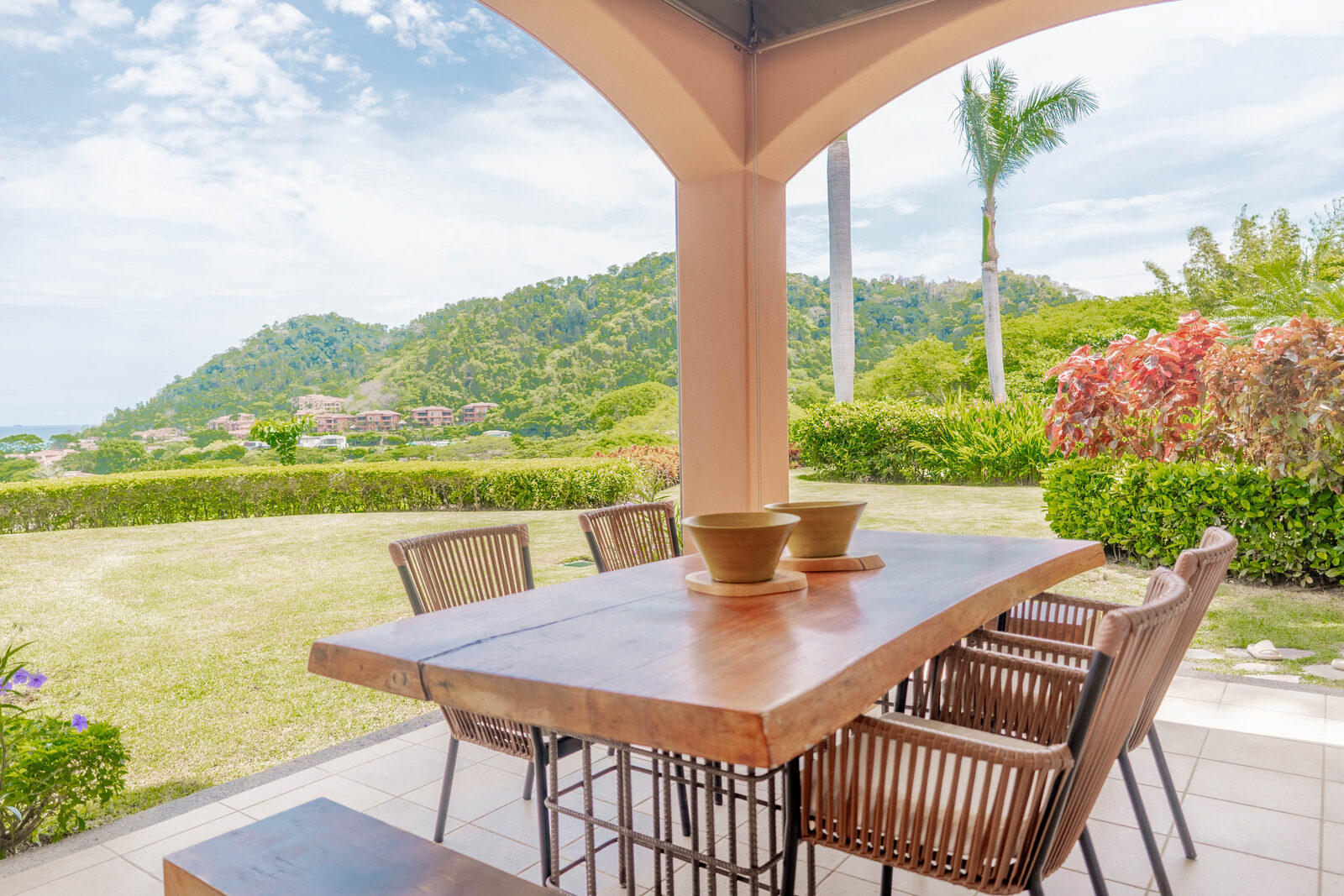
At a Glance: Los Sueños vs Jacó vs Manuel Antonio
| Los Sueños | Jacó | Manuel Antonio | |
|---|---|---|---|
| Location | Herradura Bay, 90 min from SJO | 90 min from SJO | 3.5 hours from SJO |
| Best For | Families, anglers, golfers | Surfers, groups, nightlife | Couples, eco-tourists |
| Price Range | $200–400/night | $100–250/night | $250–500+/night |
| Vibe | Gated resort, polished, safe | Open beach town, social, buzzy | Jungle hillside, romantic, slow |
| Beach | Private Beach Club (calm) | 2.5-mile surf beach (strong waves) | National park beaches (scenic, protected) |
| Top Activity | Sportfishing & golf | Surfing & nightlife | Wildlife & national park |
You’ve narrowed your Costa Rica beach trip down to the Central Pacific coast. Smart choice. Now comes the harder question: Los Sueños, Jacó, or Manuel Antonio?
These three destinations sit within 90 minutes of each other on the same coastal highway, but they deliver completely different vacation experiences. Los Sueños is a gated resort built around a 200-slip marina that hosts international billfish tournaments, an 18-hole golf course, and a private beach club. Jacó is an open beach town with consistent surf, walkable restaurants, and the kind of energy that keeps bars open past midnight. Manuel Antonio is the hillside destination where the rainforest meets the ocean, anchored by one of Costa Rica’s most visited national parks.
The right choice depends on what kind of trip you’re trying to build. This guide breaks down what actually matters when choosing between Los Sueños vs Jacó vs Manuel Antonio.
Quick Overview: What Each Destination Offers
Los Sueños is a 1,100-acre resort community with controlled access, a 200-slip marina, and resort infrastructure built for families, fishing enthusiasts, and golfers. Your vacation here centers around the marina (for sportfishing charters), La Iguana Golf Course, and the Beach Club with its calm water and poolside service. Accommodations are mostly condos with HOA amenities: shared pools, gyms, concierge desks. You navigate the resort by golf cart, not car. The atmosphere is polished, contained, and family-safe.
Jacó is a working beach town 15 minutes south of Los Sueños on Highway 34. The beach is 2.5 miles of dark volcanic sand with year-round surf. The main strip has surf shops, souvenir vendors, bars that serve cold Imperials until 2am, and enough restaurant variety to go two weeks without repeating. Your vacation here centers around surfing, nightlife, and the kind of walkable beach town access where you park the car and don’t touch it for days. It’s accessible, affordable, and unpretentious.
Manuel Antonio sits 90 minutes south of Jacó where the mountains meet the Pacific. The town spreads out along a winding coastal road lined with hillside villas, boutique hotels, and restaurants with sunset views. Your vacation here centers around Manuel Antonio National Park, one of Costa Rica’s smallest and most biodiverse parks with four beaches inside, white-faced capuchin monkeys, three-toed sloths, and scarlet macaws. The atmosphere is quieter, more nature-focused, and intentionally slower-paced than either Los Sueños or Jacó.
The Comparison Table
| Factor | Los Sueños | Jacó | Manuel Antonio |
|---|---|---|---|
| Vibe | Gated resort, family-friendly, organized | Open beach town, surf culture, social energy | Hillside jungle, nature-focused, romantic |
| Beach access | Private Beach Club (calm, safe for kids) | 2.5-mile public beach (strong surf) | National park beaches (protected, scenic) |
| Primary activities | Fishing, golf, beach club, resort amenities | Surfing, nightlife, beach bars, town exploring | Wildlife watching, national park, nature tours |
| Nightlife | Minimal (resort restaurants, quiet bars) | Very active (bars, live music, late nights) | Quiet (hillside restaurants, early closings) |
| Accommodation types | Resort condos, some villas | Condos, beach houses, hotels | Hillside villas, boutique hotels |
| Typical nightly rate | $200-400 | $100-250 | $250-500+ |
| Distance from SJO airport | 90 minutes | 90 minutes | 3.5 hours |
| Getting around | Golf carts within resort | Walk everywhere in town | Car needed (hilly, spread out) |
| Best for | Families, anglers, golfers, resort lovers | Surfers, groups, budget travelers, nightlife seekers | Couples, eco-tourists, wildlife lovers, honeymoons |
| Dining price range | $$-$$$ | $-$$ | $$-$$$ |
| Wildlife access | Iguanas, occasional monkeys | Crocodiles at Carara, scarlet macaws nearby | National park with sloths, monkeys, macaws daily |
By the Numbers: 2026 Verified Costs
Knowing what things actually cost makes the comparison concrete. Here’s what you’re working with for a typical 2026 trip.
| Category | Los Sueños | Jacó | Manuel Antonio |
|---|---|---|---|
| Condo/night | $200-400 (The Veranda, Del Mar, Colina) | $100-150 (2BR condo) | $250-500+ (hillside villa) |
| Dining/meal | $15-50 (marina restaurants, Beach Club) | $5-15 (street tacos to casados) | $20-40 (hillside restaurants) |
| Surf lesson (2 hrs) | N/A | $55-80 (group $55-65, private $59-80) | N/A |
| Board rental/day | N/A | $20-25 | N/A |
| Fishing charter | $765-825 half-day / $1,150-2,300 full-day (Los Sueños Marina) | $650-740 half-day (Herradura, non-marina) | N/A |
| National park entry | N/A | N/A | $18/person (SINAC, foreign adult) |
Sources: Surf lesson pricing from Surfer Factory, Jaco Beach Surf School, and Tortuga Surf Camp (March 2026). Fishing charter rates from Stay in Costa Rica (February 2026) and Costa Rica Fishing Experts (January 2026). Los Sueños condo rates from Airbnb listings within the resort (March-April 2026). Manuel Antonio park fee from SINAC official schedule.
Vibe and Atmosphere: Resort vs Beach Town vs Nature Escape
The atmosphere difference between these three is the single biggest factor in choosing where to stay.
Los Sueños feels controlled. Security gates at every entrance. Golf carts humming along paved paths. Landscaped common areas with no trash, no stray dogs, no unexpected chaos. The marina smells like diesel and salt water. Fishing boats leave at dawn and return in the afternoon with marlin flags flying. Families push strollers to the Beach Club. Golfers tee off on the 7th hole as howler monkeys scream from the trees lining the fairway. It’s polished, predictable, and designed to minimize friction. You’re on vacation at a resort, not exploring a town.
Jacó feels alive. Surf instructors drag foam boards down the beach at 7am. Street vendors sell fresh pineapple slices for a dollar. Motorcycles and ATVs share the road with sedans and delivery trucks. Music spills out of open-air bars. Tourists in board shorts walk barefoot to the supermarket. The main strip has everything within five blocks: ATMs, pharmacies, surf shops, taco stands, and that one guy who always offers to sell you weed. It’s messy, loud, convenient, and unapologetically a beach town that caters to surfers, weekend warriors from San José, and travelers who want options without needing a plan.
Manuel Antonio feels intentional. The road into town from Quepos climbs and curves through jungle, past hillside homes hidden behind tropical foliage. Restaurants perch on ridges with panoramic Pacific views. You hear howler monkeys at dawn. Scarlet macaws fly overhead in pairs around 4pm. The national park entrance sits at the end of the road, and half the travelers you meet are here specifically for that. Most villas require navigating steep driveways and walking down steps to reach the main living areas. Sunset is the main event. Nightlife means a cocktail on your terrace, not bar-hopping. The pace is slower because the infrastructure forces it.
Beaches and Swimming: Where the Water Actually Works
This matters more than most people think when planning a beach vacation.
Los Sueños Beach Club offers the calmest, safest swimming on this list. The protected bay has gentle waves, a roped swim area, lifeguards on duty, and direct access to pools and a beachside restaurant. It’s designed for families with young kids who need predictable water conditions. The trade-off: you need resort access (or a day pass) to use it. The beach is private, not public. If you’re staying in a Los Sueños condo, you’re covered. If you’re staying elsewhere, you’ll need to arrange access through a resort concierge.
Jacó’s main beach is a legitimate Pacific surf break with strong waves, rip currents, and dark volcanic sand that gets scorching hot by midday. Swimmers need to respect the ocean here. The surf can be waist-high on calm days and overhead during big swells. Lifeguards are stationed at the central section, but drownings happen every year from tourists underestimating the current. If you’re here to surf, this beach is perfect. If you’re here to float in calm water with a drink in hand, you’ll fight for it.
For calm swimming near Jacó, drive 10 minutes north to Playa Mantas or book a catamaran trip to Tortuga Island (calm turquoise water, white sand, snorkeling).
Manuel Antonio National Park has the most scenic swimming beaches on the Central Pacific coast. Playa Manuel Antonio, inside the park, is a protected turquoise bay with soft sand, calm water, and jungle on three sides. Monkeys hang in the trees overhead while you swim. Playa Espadilla Sur and Playa Biesanz (just outside the park) offer similar conditions. These beaches are what people imagine when they think “tropical Costa Rica.” The catch: the national park limits daily visitors, closes on Tuesdays, and requires advance booking during high season. You can’t just show up and expect to get in.
Activities: Fishing vs Surfing vs Wildlife
What you actually do during the day matters as much as where you sleep at night.
Los Sueños: Built for Fishing and Golf
Sportfishing is the main event. Los Sueños Marina hosts multiple international billfish tournaments each year and is considered one of the premier sportfishing destinations in the world. Sailfish season peaks December through April, with marlin, dorado, and tuna available year-round. Fishing charters out of Los Sueños Marina run $765-825 for half-day trips and $1,150-2,300 for full-day offshore excursions (2026 rates, varies by boat size and operator). You walk from your condo to the dock in under 10 minutes. Every fishing captain operates out of the same marina. The logistics are as easy as sportfishing gets. Browse our Los Sueños fishing charters to see what’s available.
La Iguana Golf Course is an 18-hole championship design with ocean views, elevation changes, and wildlife sightings (iguanas, monkeys, scarlet macaws) built into the experience. Green fees typically include a cart and vary by season. The course is walkable from most Los Sueños condos.
Beyond fishing and golf, Los Sueños offers beach club access, resort pools, and proximity to the same tours available in Jacó (Carara National Park, Manuel Antonio day trips, canopy tours). The difference is that these activities feel secondary to the resort experience. You come to Los Sueños for the marina and the golf course. Everything else is a bonus.
For a full breakdown of Los Sueños fishing seasons, see our Los Sueños sportfishing calendar.
Jacó: Surfing, Adventure Tours, and Nightlife
Surfing is what puts Jacó on the map. The 2.5-mile beach break has waves every single day of the year. Beginners start on the north end with gentle rollers. Intermediate surfers work the central peaks. Advanced surfers head to the south end or drive 10 minutes to Playa Hermosa, where Costa Rica’s national surf championship is held. Group surf lessons run $55-65 per person for a 2-hour session including board and instructor (verified 2026 rates from Surfer Factory, Jaco Beach Surf School, and Tortuga Surf Camp). Private lessons run $59-80. Board rentals cost $20-25/day. You can book a lesson, be in the water within an hour, and be standing on a wave by the end of your first session. Browse our full Jacó surf lessons and rentals to book ahead.
Adventure tours cluster around Jacó because of its proximity to Highway 34 and easy access from San José. ATV tours, zip-lining through the canopy, waterfall rappelling, crocodile tours on the Tárcoles River, and day trips to Carara National Park all depart from Jacó. The town has enough tour operators that you can book activities the night before and still have options.
Nightlife is the other reason people choose Jacó. Bars line the main strip and stay open until 2am. Live music, beach bonfires, and late-night taco stands are part of the routine. If you want the option to walk to dinner, have drinks at three different places, and end the night at a beachside bar, Jacó delivers. Manuel Antonio and Los Sueños don’t.
For the full Jacó surf breakdown, read our Jacó surfing guide.
Manuel Antonio: Wildlife, the National Park, and Nature
Manuel Antonio National Park is the reason most travelers choose this destination. The park protects a compact area of coastal rainforest with four beaches inside, hiking trails through primary and secondary rainforest, and wildlife density that rivals anywhere in Costa Rica. White-faced capuchin monkeys approach within feet of the trails (and will steal food if you’re not careful). Three-toed sloths hang in almond trees along the coastal path. Squirrel monkeys move through the canopy in groups. Scarlet macaws are common in the afternoon. Iguanas sun on the rocks at Playa Manuel Antonio.
Entry is $18 per person for foreign adults. The park closes on Tuesdays, stops admitting visitors at 3pm, and caps daily entry during high season. You need to book in advance through the SINAC official reservation system or a local tour operator. Walk-ups are frequently turned away during December through April and Semana Santa.
Beyond the park, Manuel Antonio offers catamaran tours, mangrove kayaking, waterfall hikes, and horseback riding. Most activities center around nature rather than adrenaline. The energy is quieter, the pace is slower, and the assumption is that you’re here to see wildlife, not party.
Accommodation Styles: Condos vs Beach Houses vs Hillside Villas
Where you stay shapes the trip as much as which town you choose.
Los Sueños accommodations are mostly 1-3 bedroom condos in gated buildings with shared pools, fitness centers, and concierge desks. Popular complexes include The Veranda, Del Mar, and Colina 8A. You’re buying into resort infrastructure: security, landscaping, predictable amenities, and proximity to the marina and golf course. Most condos are modern, fully equipped, and designed for families or fishing groups who want a home base with minimal logistical friction. A few standalone villas exist at the higher end, but the condo model dominates.
Jacó accommodations range from budget condos a few blocks from the beach to beachfront villas with private pools. You can rent a 2-bedroom condo for $100-150/night or a 4-bedroom beach house for $300-400/night. The variety is the advantage. Want a simple place to crash between surf sessions? Jacó has it. Want a full house for a group with a pool and outdoor kitchen? Jacó has that too. Most properties are walkable to the beach and the main strip, which eliminates the need for a car once you arrive.
Manuel Antonio accommodations skew toward hillside villas and boutique hotels with ocean views. Many properties require navigating steep driveways, walking down exterior stairs, and dealing with the realities of hillside construction (septic systems, private water tanks, occasional power issues during storms). The upside: panoramic Pacific views, more space, privacy, and the feeling of being in the jungle rather than a town. Expect to pay more per night than Jacó or Los Sueños. A 3-bedroom villa with a view typically runs $250-500+/night depending on the season and exact location.
Pricing and Budget: What Your Money Gets You
Travel costs vary significantly between these three destinations.
Jacó is the most budget-friendly. Affordable condos and vacation homes start around $100-150/night. Meals range from $5 street tacos to $30 sit-down dinners. Surf lessons and board rentals are the cheapest on the Central Pacific coast ($50-60 for a 2-hour lesson, $20-25/day for a board). You can drink Imperials at a beach bar for $2-3 each and find casados (local lunch plates) for $8-10. Jacó works for travelers who want to stretch their budget without sacrificing beach access or activity options.
Los Sueños sits in the middle-to-high price range. Resort condos run $200-400/night depending on size and season. Dining at the marina restaurants or the Beach Club costs more than Jacó town options ($15-25 for lunch, $30-50 for dinner). Fishing charters are a major expense if that’s part of your plan ($900-1,800 depending on half-day vs full-day). Golf rounds cost $175-200 with a cart. You’re paying for resort infrastructure, security, and convenience. Budget travelers will find Jacó more forgiving. Families who value predictability and amenities will find Los Sueños worth the premium. If you’re considering a property investment in Los Sueños, our market guide has detailed rental income numbers and ROI projections.
Manuel Antonio is the most expensive destination of the three. Villas range from $250-500+/night due to limited supply and high demand driven by the national park. Dining at hillside restaurants with sunset views runs $20-40 per entree. National park entry is $18 per person, and most visitors book guided tours ($50-80 per person for a half-day naturalist-led walk). Logistics cost more too: the 3.5-hour drive from SJO means pricier private transfers ($120-180) or longer shuttle rides ($45-65). You’re paying for exclusivity, views, and proximity to one of Costa Rica’s premier national parks.
Best for Families: Where Kids Actually Thrive
Los Sueños wins for families with young children. The Beach Club has calm water safe for kids to swim without constant supervision. Pools are easily accessible from most condos. The resort is gated and golf cart-navigable, meaning kids can explore without parents worrying about traffic or unsafe areas. Wildlife is present (iguanas, monkeys, scarlet macaws) but not overwhelming. The infrastructure is designed to minimize friction: nearby restaurants, resort services, and activities that don’t require extensive logistics.
Jacó works for families with older kids (10+) who can handle stronger surf, are comfortable with more town energy, and want more independence. The beach has legitimate waves and rip currents, which require active supervision for younger children. The town itself is walkable and safe during the day, but nightlife energy picks up after dark. Families who want to teach their kids to surf and don’t need a controlled resort environment will do fine here.
Manuel Antonio is logistically harder with young children. Most villas have stairs (sometimes many stairs) between parking areas and living spaces. The national park requires walking on uneven trails, and beaches inside the park involve hiking to reach. Dining options are more spread out, requiring a car for every meal unless your villa has a full kitchen. Wildlife is amazing, but monkeys will steal food from backpacks and tables if given the chance. Families with teenagers who appreciate nature and don’t need constant structured activities will love it. Families with toddlers will struggle.
Best for Couples: Romance, Privacy, and Atmosphere
Manuel Antonio is the clear winner for romantic getaways and honeymoons. Hillside villas with private infinity pools overlooking the Pacific. Sunset dinners at restaurants like Emilio’s Café or El Avión (the airplane bar built into a 1954 Fairchild C-123). Morning hikes through the national park with monkeys overhead and turquoise bays below. The pace is slower, the atmosphere is quieter, and the emphasis is on nature and privacy rather than activity and crowds.
Los Sueños works for couples who want a more structured, resort-style romantic trip. Sunset dinners at the marina. Golf together in the morning. Fishing charters for couples who want a shared adventure. The Beach Club for relaxed pool days. It’s romantic in a predictable, organized way. Less spontaneous than Manuel Antonio, but easier to navigate.
Jacó is not the romantic choice. The energy is too active, the nightlife too loud, and the town too focused on surf culture and groups to create an intimate atmosphere. Couples who want adventure and activity will find plenty to do, but it’s not the destination for quiet, private, sunset-cocktail romance.
Getting Around: Golf Carts, Walking, and When You Need a Car
Los Sueños: You navigate the resort by golf cart, which you can rent for $40-60/day or sometimes have included with your condo rental. Walking works for short distances, but the resort is large enough that a golf cart makes life easier. A car is useful if you want to explore Jacó, visit Carara National Park, or drive to Manuel Antonio, but you don’t need one to enjoy the resort itself.
Jacó: Walking is the default. Most vacation rentals are within 10 minutes of the beach and the main strip on foot. Once you park your car at your rental, you can leave it there for days. The town is compact enough that everything (beach, restaurants, bars, surf shops, supermarkets) is accessible on foot. A car is only necessary if you want to explore beyond Jacó (Playa Hermosa, Carara, Manuel Antonio, or Los Sueños).
Manuel Antonio: You need a car. The town is spread out along a winding coastal road with significant elevation changes. Walking from one restaurant to another often means a 20-30 minute uphill walk along a road with no sidewalks. Most villas are off the main road, requiring driving to reach dining or the national park entrance. Parking at the park entrance costs $10 and fills up early during high season. A rental car is not optional in Manuel Antonio.
Accessibility: How Easy Is It to Actually Get There?
Los Sueños and Jacó are both 90 minutes from Juan Santamaría International Airport (SJO) via Highway 27 and Highway 34. The entire route is paved, well-maintained, and drivable in a sedan. Shared shuttles (Interbus, Monkey Ride) run daily at $35-50 per person. Private transfers cost $80-120. You can land at SJO at noon and be on the beach by 2pm. The accessibility makes these destinations ideal for long weekends, short trips, or first-time visitors to Costa Rica who don’t want a complicated arrival.
Manuel Antonio is 3-3.5 hours from SJO via the same highway through Jacó, continuing south to Quepos and then climbing into the hills to Manuel Antonio. The drive is scenic but requires attention: the last stretch from Quepos into Manuel Antonio is narrow, winding, and slow-moving during high-traffic periods. Shared shuttles cost $45-65 per person. Private transfers run $120-180. The longer drive means you lose half a travel day getting there and half a day getting back. For week-long trips, that trade-off is worth it. For 4-5 night trips, the drive cuts into your time more noticeably.
Most travelers driving to Manuel Antonio pass directly through Jacó on the way. It’s a natural route to combine both destinations on the same trip.
Which Is Best For You? A Decision Matrix
The comparison table gives you the data. This section gives you the answer. If you only have time to read one part of this guide, start here.
| If you want… | Go to… | Why |
|---|---|---|
| Gated resort safety with young kids | Los Sueños | Private Beach Club with calm water, golf cart navigation, no traffic risk, and 24-hour security. Kids can explore freely. |
| Consistent surf without breaking the bank | Jacó | Year-round waves, group lessons from $55/person, board rentals from $20/day. Cheapest surf access on the Pacific coast. |
| Wildlife and a romantic sunset | Manuel Antonio | National park with sloths and monkeys on the trail, hillside villas with panoramic views, and the best sunsets on the Central Pacific. |
| World-class fishing with marina access | Los Sueños | 200-slip tournament marina at your doorstep. Half-day charters from $765, full-day offshore from $1,150. Everything departs from the same dock. |
| Walkable nightlife and live music | Jacó | Bars and restaurants within five blocks, live music on weekends, beach bonfires, and last call at 2am. Neither Los Sueños nor Manuel Antonio comes close. |
| Championship golf with ocean views | Los Sueños | La Iguana Golf Course weaves through the resort with elevation changes and wildlife. Green fees include a cart and typically run $175-200. |
Still not sure? Read the full sections below for more detail on each destination.
Here’s how to decide.
Choose Los Sueños if you want:
- A resort experience with gated security and organized amenities
- Premier sportfishing with marina access or championship golf as a primary activity
- Family-friendly infrastructure with calm beach access for kids
- Predictable, polished accommodations with concierge services
- Proximity to Jacó without staying in the middle of a beach town
Choose Jacó if you want:
- Consistent surf with lessons and rentals readily available
- Walkable beach town energy with bars, restaurants, and nightlife
- The most affordable pricing on the Central Pacific coast
- Easy access to adventure tours (ATV, zip-lining, Carara)
- A social, active atmosphere where you can meet other travelers
Choose Manuel Antonio if you want:
- Daily wildlife encounters in one of Costa Rica’s premier national parks
- Hillside villas with ocean views and private pools
- A quieter, nature-focused pace with romantic sunset restaurants
- The most scenic beaches on the Central Pacific coast
- Exclusivity and limited crowds due to restricted park access
The Honest Recommendation: Can You Visit More Than One?
Yes. And for most travelers with a week or more, you should.
Los Sueños and Jacó are 15 minutes apart. You can stay in one and easily visit the other for a day or an evening. Split your trip: 2-3 nights in a Los Sueños condo for the resort experience and fishing, then 2-3 nights in a Jacó beach house for surf and nightlife.
Manuel Antonio is 90 minutes south of Jacó on the same coastal highway. A natural week-long itinerary looks like: 2 nights in Jacó for surf and town energy, then 4-5 nights in Manuel Antonio for the national park and hillside relaxation. Or reverse it: start in Manuel Antonio, then finish with a few nights in Jacó or Los Sueños before your flight home.
The three destinations complement each other. You don’t have to choose just one.
For more detail on each location:
- Los Sueños destination guide
- Jacó destination guide
- Central Pacific tours and activities
- Los Sueños sportfishing calendar
- Jacó surfing guide
Related Guides
- Herradura Area Guide — Calm bay, marina, and beachfront dining
- Central Pacific Dining Guide — Where to eat in Los Sueños, Herradura & Jacó
- Best Tours from Jacó & Los Sueños — Activities, day trips, and adventures
- Escazú Market Guide — Costa Rica’s premier corporate rental market
Frequently Asked Questions
Which is better for families with young kids: Los Sueños, Jacó, or Manuel Antonio?
Los Sueños is the most family-friendly of the three. The gated resort means controlled access and no unexpected traffic. The private Beach Club sits in calm Herradura Bay with roped swim areas, lifeguards on duty, and a poolside restaurant steps from the sand. You navigate the resort by golf cart, not car, so kids can move around independently without parents worrying about highway speeds. Popular condo complexes like The Veranda, Del Mar, and Colina offer 2-3 bedroom units with full kitchens, shared pools, and gym access. Families with young children consistently report the lowest stress levels at Los Sueños compared to the other two destinations.
Jacó works for families with older children (roughly 10+) who can swim in stronger surf and handle more town energy. The beach has real Pacific waves and rip currents that require active supervision for younger kids. Manuel Antonio is logistically the hardest with young children due to hillside steps, winding roads, and the national park’s Tuesday closure. The wildlife payoff is real, but parents of toddlers should plan for more logistical friction.
Which is better for couples wanting romance: Jacó or Manuel Antonio?
Manuel Antonio is the romance winner by a significant margin. The combination of hillside villas with private terraces overlooking the Pacific, the national park’s intimate scale, and the overall slower pace creates the conditions couples typically describe as romantic. Sunset dinners at hillside restaurants like Emilio’s Café or El Avión (built around a 1954 Fairchild C-123 cargo plane) are memorable by design. Scarlet macaws flying overhead around 4pm, howler monkeys at dawn, and calm turquoise bays inside the national park set a different tone from either Los Sueños or Jacó.
Los Sueños works for couples who prefer a structured, resort-style romance: sunset dinners at the marina, shared golf or fishing charter experiences, and poolside relaxation. It’s organized and comfortable. Jacó’s social energy, by contrast, is more group-oriented than intimate.
Which is better for fishing: Los Sueños or Jacó?
Los Sueños by a wide margin. The 200-slip Los Sueños Marina is Costa Rica’s premier sportfishing departure point, with professional tournament-grade captains, air-conditioned vessels, and a full-service fuel dock. The difference in infrastructure compared to Jacó (which has no marina) is substantial. Half-day charters out of Los Sueños Marina start at $765-825; full-day offshore trips run $1,150-2,300 depending on boat class and operator. Sailfish season peaks December through April, and the marina hosts multiple international billfish tournaments annually. Jacó’s fishing boats depart from Herradura Bay beach or smaller public docks, are typically 10-25% less expensive, and offer good inshore action. But for serious offshore fishing logistics, Los Sueños is the clear destination. See our Los Sueños fishing charter listings for current availability.
Is Jacó or Manuel Antonio better for surfing?
Jacó is the answer, and it’s not close. Jacó has a 2.5-mile beach break with consistent waves 365 days a year. Group lessons run $55-65 per person for a 2-hour session with board included. Board rentals are $20-25/day. It’s the most accessible surf destination on Costa Rica’s Pacific coast for beginners and intermediate surfers. Playa Hermosa, 10 minutes south of Jacó, hosts the national surf championship and offers stronger waves for experienced surfers. Manuel Antonio is not a surf destination; the coastline near the national park is characterized by rocky points and small shorebreaks, not the consistent beach break that makes Jacó a surf town.
Which is closer to San José airport (SJO): Los Sueños, Jacó, or Manuel Antonio?
Los Sueños and Jacó are both 90 minutes from SJO via Highway 27 and Highway 34. The drive is fully paved and well-maintained, suitable for any rental vehicle. You can land at SJO at noon and be on the beach by 2pm. Manuel Antonio is 3 to 3.5 hours from SJO on the same coastal highway, continuing south past Jacó and Herradura through Quepos before climbing into the hills. The last section from Quepos to Manuel Antonio is narrow and winding. For short trips of 4-5 nights, Los Sueños or Jacó makes more logistical sense. For week-long trips, Manuel Antonio’s longer drive is worth it.
Is Los Sueños or Jacó better for families?
Los Sueños is the better choice for families with young children. It has a gated resort environment, golf cart navigation, and a private Beach Club with calm, supervised swimming water. Kids can explore freely without traffic concerns. Jacó works well for families with older kids (10+) who want to surf and handle a more active beach town setting — but the beach has strong Pacific surf and rip currents that require supervision.
Which is closer to the airport?
Both Los Sueños and Jacó are 90 minutes from Juan Santamaría International Airport (SJO) via Highway 27 and Highway 34. Manuel Antonio is significantly farther — 3 to 3.5 hours from SJO. For short trips (4–5 nights), Los Sueños or Jacó makes more logistical sense. For week-long trips, Manuel Antonio’s longer drive is worth the trade-off.
Which is better for couples or a honeymoon?
Manuel Antonio is the top pick for couples and honeymoons. Hillside villas with private infinity pools, panoramic Pacific views, romantic sunset restaurants, and morning wildlife walks make it the most intimate destination of the three. Los Sueños works for couples who prefer a resort-style experience. Jacó’s social nightlife scene is not the right fit for a romantic getaway.
What is the price difference between Los Sueños, Jacó, and Manuel Antonio?
Jacó is the most affordable: vacation rentals start around $100–150/night and meals range from street tacos ($5) to sit-down dinners ($25–30). Los Sueños sits mid-to-high with resort condos at $200–400/night and marina dining at $15–50 per meal. Manuel Antonio is the priciest due to limited supply — hillside villas run $250–500+/night and park entry, guided tours, and transfers add up quickly.
Can I visit all three on the same trip?
Yes, and it works naturally. Los Sueños and Jacó are only 15 minutes apart on Highway 34 — easy to split your stay between them. Manuel Antonio is 90 minutes south of Jacó on the same coastal highway. A week-long itinerary could be: 2 nights in Los Sueños (fishing, golf), 2 nights in Jacó (surf, nightlife), 3 nights in Manuel Antonio (national park, wildlife). Most travelers driving to Manuel Antonio pass directly through Jacó along the way.
Which destination has the best beaches for swimming?
Manuel Antonio National Park has the most scenic and protected swimming beaches — particularly Playa Manuel Antonio, a calm turquoise bay inside the park with monkeys in the trees overhead. Los Sueños Beach Club offers calm, family-safe swimming inside a private resort setting. Jacó’s main beach is a genuine surf break: waves are strong and rip currents are real, making it better for surfing than swimming. For calm water near Jacó, drive 10 minutes north to Playa Mantas or book a day trip to Tortuga Island.
Which is better for surfing?
Jacó is the clear winner. It offers consistent year-round waves suitable for all levels, with surf schools on the beach and board rentals for $20–25/day. Playa Hermosa, 10 minutes south of Jacó, hosts Costa Rica’s national surf championship. Los Sueños has nearby surfable breaks but is oriented around fishing and golf. Manuel Antonio is not a surf destination.
Ready to book your Central Pacific trip? Reach out and we’ll help you plan the right combination of destinations for your group.
Research Sources (2026 verification)
- Surf lesson pricing (group $55-65, private $59-80): Nest Stays Surf Lessons in Costa Rica: Pricing, Best Time to Go (March 2026), Jacoluxe.com ($55/person, jacoluxe.com/products/surf-lessons), Surfer Factory (surferfactory.com), Tortuga Surf Camp (tortugasurfcamp.com), Jaco Beach Surf School (jacobeachsurf.com)
- Board rentals ($20-25/day): Existing page cross-reference, confirmed by Nest Stays surf lessons blog (2026)
- Fishing charter rates: Costa Rica Fishing Experts How Much Does a Fishing Trip Cost in Los Sueños & Jaco 2026 (January 2026); Stay in Costa Rica Los Sueños Sportfishing Charters stayincostarica.com (February 2026 — half-day $765-825, full-day $1,150+)
- Los Sueños condo rates ($200-400/night): Airbnb listings within Los Sueños Resort and Marina (airbnb.com/los-suenos-resort-and-marina-playa-herradura-costa-rica/stays, viewed March-April 2026 — Veranda Paradise, Del Mar 3BR units)
- Manuel Antonio national park entry ($18/person, foreign adult): SINAC official fee schedule (referenced from stayincostarica.com and multiple tour operator listings)
- Los Sueños resort details (The Veranda, Del Mar, Colina): Costa Rica Dream Makers (costaricadreammakers.com), Lossuenoscr.com
Ready to Experience Los Sueños?
Book your Los Sueños vacation rental with Nest Stays — and wake up right where the action is.