Sport Fishing
Year-round (peak: Dec-Apr sailfish, Jun-Oct marlin)
About Sport Fishing in Costa Rica
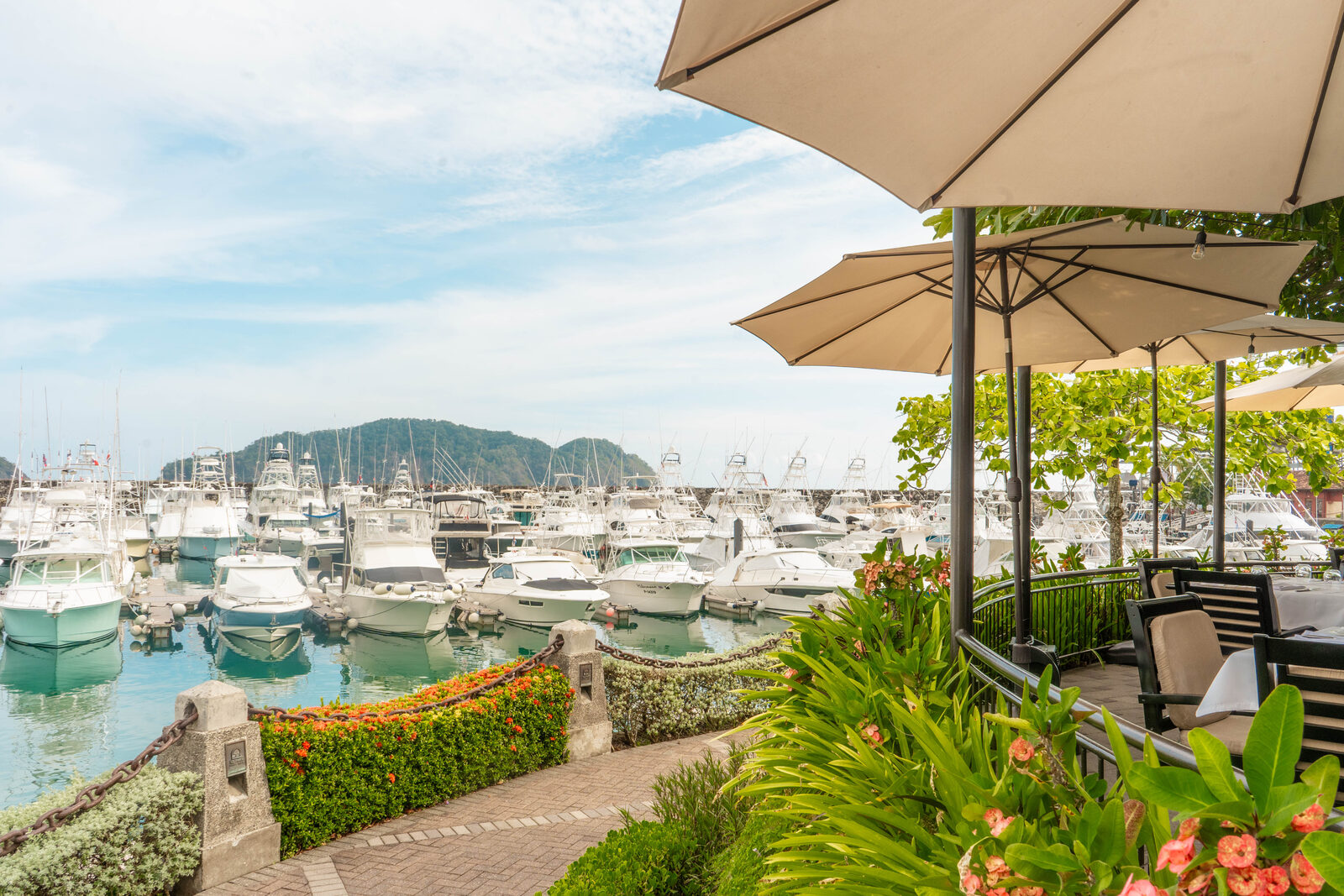
Costa Rica's sport fishing capital. Los Sueños Marina offers some of the world's best billfish waters, with sailfish and marlin year-round.
The Central Pacific coast of Costa Rica — anchored by Los Sueños Marina, Herradura Bay, and Jacó — is one of the world's premier sport fishing destinations. What makes this stretch of coastline exceptional is the proximity of deep water: the continental shelf drops off just 8–12 miles from shore, putting you on productive billfish grounds within 30 minutes of leaving the dock. That means more time fishing and less time running.
Los Sueños Marina is the undisputed epicenter. Its 200-slip, world-class facility hosts the highest concentration of tournament-grade sportfishing boats in Central America. The marina's Triple Crown tournament series (January–March) consistently produces 30–40 sailfish releases per boat, proving this fishery's year-round reliability. Whether you're chasing a personal-best marlin, introducing your kids to their first roosterfish, or booking a group charter for a bachelor party, the Central Pacific has the right trip.
Costa Rica's strict catch-and-release policy for billfish has preserved the fishery for decades. Sailfish and marlin populations remain healthy and abundant — a direct result of responsible management that benefits every angler who visits.
Monthly Fishing Calendar
Fishing is productive year-round in Los Sueños and Jacó, but what you'll catch changes with the seasons. Here's a month-by-month breakdown to help you plan your trip around your target species.
January
Dry season. Calm seas, light winds, warm water (80–84°F).
Triple Crown tournament series begins. Peak sailfish action ramps up with 15–25 releases per boat common. Excellent inshore roosterfish bite.
February
Dry season. Flat seas, minimal rain, best overall conditions.
Widely considered the single best month for sailfish. Tournament boats regularly log 30–40 releases per day. Book well in advance.
March
Dry season. Calm seas, warming water temps.
Triple Crown concludes. Transition month — sailfish still strong, early marlin start showing. Grand slam opportunities (sailfish + marlin + dorado in one day).
April
Transition. Occasional afternoon showers begin. Seas still calm.
Sailfish season winding down but still productive. Marlin becoming more consistent. Fewer crowds, better charter availability.
May
Green season begins. Afternoon rain, mornings clear. Seas moderate.
Offshore bite shifts to marlin and tuna. Excellent value on charters as peak season ends. Mornings are typically beautiful.
June
Green season. Afternoon storms, warm water. Seas can be choppy.
Blue marlin action builds. Tuna schools move closer to shore. Dorado start appearing in good numbers around floating debris.
July
Green season. Afternoon rain consistent. Water temp peaks (84–87°F).
Trophy marlin season in full swing. Blue and black marlin over 300 lbs possible. Dorado excellent. Seas rougher — take seasickness meds.
August
Green season. Similar to July. Warm, wet afternoons.
Peak marlin month. Tournament-size blue marlin are realistic targets. Tuna action strong. Fewer tourists means more open boats.
September
Green season. Heaviest rain month. Mornings still fishable.
Dorado season begins in earnest — schools of 20–40 lb fish around floating logs and debris lines. Marlin still present. Inshore roosterfish bite picks up.
October
Green season. Rain easing. Seas moderate.
Transition month. Marlin still biting, dorado peaking, and early sailfish starting to return. Another grand slam month.
November
Transition to dry season. Rain decreasing. Seas calming.
Sailfish return in increasing numbers. Dorado still strong. Great month for variety — realistic chance at 4+ species in one day.
December
Dry season begins. Clear skies, calm seas.
Sailfish season officially kicks off. Holiday demand is high — book early. Calm seas make for comfortable trips, even for first-timers.
Top Game Fish Species
The Central Pacific is home to an extraordinary diversity of game fish. Here are the top species anglers target from Los Sueños and Jacó.
Pacific Sailfish
Istiophorus platypterus
The star of Los Sueños. Pacific sailfish are the most abundant billfish in these waters, and the reason this marina consistently ranks among the world's top sport fishing destinations. During peak season, 20–40 releases per boat per day is common in tournament conditions. Sailfish are strictly catch and release in Costa Rica.
Method: Trolling with ballyhoo or lures, then switching to pitch baits. Sailfish are aggressive strikers and acrobatic fighters — expect spectacular jumps and fast runs.
Blue Marlin
Makaira nigricans
The ultimate offshore prize. Blue marlin migrate through Central Pacific waters during the green season, with fish regularly exceeding 300 lbs. Los Sueños has produced multiple granders (1,000+ lbs). Strictly catch and release.
Method: Trolling large lures or rigged baits at 7–9 knots. Fighting a blue marlin is a physical endurance test — battles can last 1–3 hours with fish over 300 lbs.
Dorado (Mahi-Mahi)
Coryphaena hippurus
Dorado are the crowd-pleaser of Central Pacific fishing. They're beautiful (electric blue and gold), aggressive biters, acrobatic fighters, and absolutely delicious. Schools gather around floating logs and debris lines, making them relatively easy to find when conditions are right. One of the few offshore species you can keep for dinner.
Method: Trolling near floating debris, weed lines, and current breaks. Dorado strike aggressively, fight hard with aerial acrobatics, and are one of the best-eating fish in the ocean.
Roosterfish
Nematistius pectoralis
The iconic inshore species of Costa Rica. Named for the distinctive dorsal fin that fans up like a rooster's comb, these fish patrol the surf zone and nearshore structure. Roosterfish are exclusively a Pacific species — you can't catch them anywhere in the Atlantic. Herradura Bay and the beaches south of Jacó are prime roosterfish territory.
Method: Inshore fishing with live bait (blue runners or sardines) along sandy beaches, rocky points, and river mouths. Roosterfish are powerful fighters that make blistering runs along the shoreline.
Yellowfin Tuna
Thunnus albacares
Yellowfin tuna are the workhorses of Central Pacific offshore fishing. They're available year-round but peak during the green season when warm currents push baitfish closer to shore. Tuna are prized for sashimi-grade meat — your captain will fillet your catch for dinner if you'd like.
Method: Trolling cedar plugs, poppers, or chunk bait near FADs (fish aggregating devices) and current edges. Tuna fights are pure power — deep, sustained runs that test your tackle and your arms.
Charter Options & Pricing
Charter options range from budget-friendly shared inshore trips to full-day private offshore adventures on tournament-grade boats. Here's what to expect at each level.
| Charter Type | Duration | Boat Size | Price |
|---|---|---|---|
| Half-Day Inshore (Private) | 4–5 hours | 24–28 ft center console | $600–$900 |
| Half-Day Offshore (Private) | 5–6 hours | 28–32 ft sport fisher | $900–$1,400 |
| Full-Day Offshore (Private) | 8–9 hours | 33–36 ft sport fisher | $1,400–$2,900 |
| Full-Day Premium (Private) | 8–10 hours | 40–50 ft luxury sport fisher | $2,900–$4,500 |
| Shared Charter | 5–6 hours | 28–35 ft sport fisher | $175–$350 per person |
Book through Nest Stays concierge for vetted captains, proper insurance, and tournament-maintained boats. We match your group to the right boat and captain based on experience level, target species, and budget.
Our Recommended Charter Partners
The same boats and captains that compete in the Triple Crown tournament run paying guests the rest of the year. The three operators below represent the range of the Los Sueños fleet, from compact inshore rigs to 50-foot luxury sportfishers.
Contact our team directly and we will match you to the right captain based on your group size, target species, and experience level.
Maverick Sportfish
mavericksportfish.com · Los Sueños Marina
Maverick Sportfish is a Los Sueños institution. The fleet ranges from 32-foot walkarounds to 50-foot convertible sportfishers, all custom-built at Maverick's own Costa Rica yard. Their tournament-winning crew regularly posts 20+ sailfish releases in a single day during peak season.
- All-inclusive charters: fishing license, premium tackle and bait, lunch on full-day trips, snacks, and drinks
- Half-day: $3,000 | Full-day: $3,500 (per boat, excluding 13% tax and crew tip)
- Peak season (February–March) books out early
Los Sueños Fishing Charters
fishingcharterslossuenos.com · Los Sueños Marina
This operator is built for groups who want flexibility. Los Sueños Fishing Charters books both offshore deep-sea trips and inshore charters targeting roosterfish and snapper from the same marina. They maintain a wide variety of boats, including air-conditioned options, and match groups to vessels based on budget and target species.
- Offshore days target sailfish, dorado, marlin, and yellowfin tuna
- Inshore half-day trips (4 hours) focus on roosterfish, cubera snapper, and jack crevalle
- Contact for current pricing
- Captains licensed and experienced with first-time anglers
CR Fishing Charters
crfishingcharters.com · Los Sueños, Jacó, Tamarindo, Quepos + more
CR Fishing Charters operates with one of the broadest geographic footprints among Central Pacific operators, with departures from Los Sueños, Jacó, Tamarindo, Quepos, Flamingo Marina, and other Pacific coast departure points. This makes them a strong option for guests basing themselves outside Los Sueños or wanting to combine locations.
- Fleet covers compact center consoles to 50-foot sportfishers
- Emphasizes sustainable fishing practices and international safety standards
- Los Sueños full-day: $2,300 per boat for up to 6 anglers (excluding 13% tax and crew tip)
- Fishing packages that bundle gear, licenses, and travel logistics
Where to Experience Sport Fishing
Explore sport fishing across our Central Pacific destinations
Los Sueños
View Details →Los Sueños Marina is the epicenter: a 200-slip world-class facility with the highest concentration of tournament-grade sportfishing boats in Central America. Sailfish and marlin strikes happen within 8-12 miles of the marina, meaning more fishing time and less travel. The Triple Crown tournament series (January-March) proves the fishery's consistency, with 30-40 sailfish releases per boat common during peak season. Inshore fishing for roosterfish, snapper, and tuna is equally productive.
Herradura
View Details →Herradura Bay sits just south of Los Sueños Marina, giving direct access to the same offshore billfish grounds without the resort premium. Local captains operate out of the bay with smaller, more affordable boats ideal for families or first-time anglers. The calm bay conditions make for comfortable morning departures, and you're still reaching prime sailfish water within 30 minutes. Expect the same fish, half the price, and a more local experience.
Jacó
View Details →Jacó-based charters offer flexible access to both the northern billfish grounds (toward Los Sueños) and southern inshore fishing. While Jacó doesn't have a marina, captains launch from the beach or nearby Herradura, targeting roosterfish, snapper, dorado, and seasonal marlin. This works well for groups combining surf and fishing, or families wanting a half-day fishing trip without the full sportfishing commitment.
Related Guides
In-depth articles to help you plan your sport fishing trip
40 Things to Do in Los Sueños Costa Rica 2026 — Activities, Dining & Attractions
From world-class sport fishing to oceanside golf — the complete Los Sueños activities guide. 40+ verified things to do, all within the resort and near...
Read Guide →5 Mistakes to Avoid When Booking a Fishing Charter in Costa Rica
First time booking a sportfishing charter in Costa Rica? Avoid these 5 costly mistakes most tourists make — from not checking crew experience to booki...
Read Guide → Costa Rica Fish Species Guide: Complete Sportfish Identification
Complete guide to sport fish species in Costa Rica: sailfish, marlin, dorado, roosterfish, tuna, and more. Seasonal availability, best fishing locatio...
Read Guide → Insider Tips
Book fishing charters directly through Nest Stays concierge or marina desk at Los Sueños: you'll get vetted captains, proper insurance, and boats maintained to tournament standards. Street-level bookings can be hit or miss.
December through April is peak sailfish season with the calmest seas. June through October brings bigger marlin but rougher ocean conditions. If you're prone to seasickness, stick to dry season.
Half-day inshore trips (4-5 hours) are perfect for families with kids or first-time anglers. Full-day offshore trips (8 hours) are for serious fishing. Don't overcommit if you've never spent a day on a fishing boat. It's physically demanding.
Upcoming Sport Fishing Events
Dorado Derby 2026
2026-11-14–2026-11-14
November tournament at Marina Pez Vela dedicated to the dorado (mahi-mahi), one of the most colorful and acrobatic fish in Costa Rican waters. Dorado arrive in force during the late calendar year mont...
Dorado Derby Dos 2026
2026-11-21–2026-11-21
A second one-day dorado tournament at Marina Pez Vela added to the calendar following the success of the original Dorado Derby. Top-team honors go to the team that weighs the single heaviest dorado. P...
Marlin Invitational 2026
2026-12-10–2026-12-12
Two-day IGFA Marlin Team Tournament at Marina Pez Vela — one of the most prestigious marlin-focused events on the Costa Rican calendar. Attracts experienced tournament anglers and serious sportfisherm...
Rooster Rodeo 2027
2027-01-29–2027-01-30
Marina Pez Vela's fast-paced, high-energy one-day fishing tournament in Quepos, welcoming anglers of all experience levels. The Rooster Rodeo is one of the marina's most accessible competitive events ...
Frequently Asked Questions
How much does a fishing charter cost in Los Sueños? +
When is the best time to fish in Costa Rica? +
Do I need a fishing license in Costa Rica? +
What fish can you catch in Los Sueños? +
How far offshore do you go fishing in Los Sueños? +
Can beginners go deep sea fishing in Costa Rica? +
What should I bring on a fishing charter in Costa Rica? +
What is the catch-and-release policy at Los Sueños Marina? +
Surf Schools in Jacó & Playa Hermosa
Jacó has more surf schools per kilometer of beach than almost anywhere in Central America. All five below have been verified directly from their official websites or confirmed third-party listings. Prices reflect 2025–2026 published rates; confirm current pricing when booking.
| School | Location | Group Lesson | Private Lesson |
|---|---|---|---|
| Surfer Factory | Jacó Beach | $49 / person | $59–80 / person |
| Beach Break Resort | Jacó Beach | $50 / person | — |
| Jaco Luxe | Jacó Beach | from $55 / person | — |
| Tortuga Surf Camp | Jacó Beach | $60 / person (3+) | $80 / person |
| Surfing Lessons Jaco | Jacó / Playa Hermosa | $70 / person | $140 / person |
What every lesson includes: Surfboard, rash guard, and leash. Certified instructor in the water with you. Water is 80–85°F year-round — no wetsuit needed. Just show up in a swimsuit with reef-safe sunscreen.
Which school fits your trip
Surfer Factory — Smallest Budget
$49 for a group lesson. ISA-certified instructors, a money-back guarantee (stand up on your first wave or lesson is free), and a full surf shop on site. They also run trips to Playa Hermosa for advancing surfers. Instruction in English, Spanish, and German.
Beach Break Resort — Best If You're Already There
$50 for hotel guests at the front desk. Lessons happen right in front of the property on the beach break. No online walk-in booking — arrange on arrival or as part of a resort stay.
Tortuga Surf Camp — Most Flexible
Tiered pricing from $60/person (3+) to $80/private. Since 2007. Includes video review for technical feedback, professional photography, and paddleboard tours. Kids under 12 must book private. Minimum age 6.
Surfing Lessons Jaco — Most Added Perks
$70 group / $140 private. Free hotel pickup, free board use for 24 hours after your lesson. Operates in Jacó for beginners and Playa Hermosa for intermediate/advanced.
Jaco Luxe — Activity Bundles
From $55. Primarily a concierge and activities operator. Can bundle surf lessons with horseback riding, ATV tours, or massage. Cash payments get a better rate; credit card may add a fee.
When to book
December – April (Dry Season)
Smaller, cleaner swells and consistent day-to-day conditions — better for first-timers. Peak season, so book 1–2 days in advance.
May – November (Rainy Season)
Bigger swells from South Pacific storms, more powerful waves — ideal for intermediate and advanced. Mornings are usually clear before afternoon rain. Same-day or next-day booking often available.
Book morning sessions (6–9am) whenever possible — offshore winds create the cleanest conditions before onshore winds pick up around 10am.
Playa Hermosa is a different world. The beach break is hollow, fast, and powerful — it hosts Costa Rica's national surf championships. Most schools run beginner lessons at Jacó Beach and reserve Playa Hermosa for intermediate and advanced students. If a school offers to take you to Playa Hermosa for your first lesson, ask to start in Jacó instead. Hermosa's shorebreak is not forgiving for first-timers.
For more on surf breaks and what to expect in the water, see our Surfing in Jacó guide and Surf Lessons Pricing guide.
Ready to Sport Fishing?
Book the best sport fishing experiences in Costa Rica — or find the perfect vacation rental to come home to after a great day out.
Sport Fishing Starts at Your Front Door
Our concierge books the best sport fishing experiences before you arrive: charters, guides, gear, everything. You just show up.