Jacó Surf Guide: The Complete Breakdown for Every Skill Level
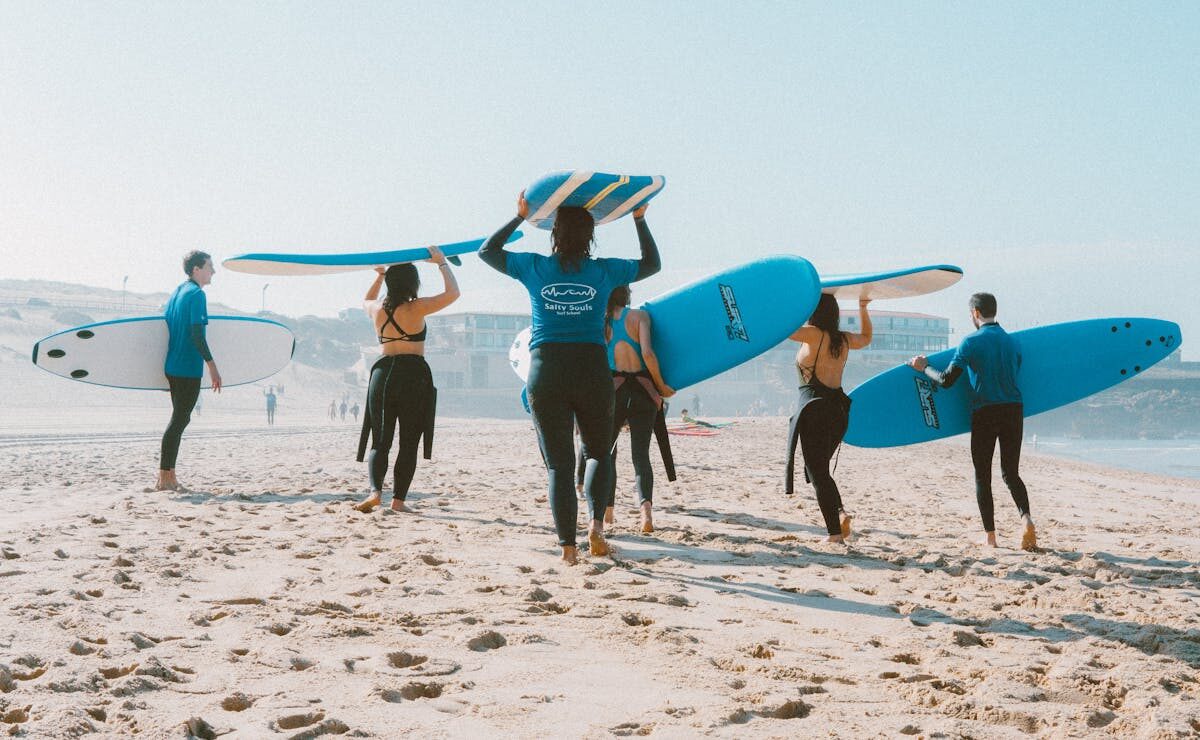
Jacó is not the most beautiful town in Costa Rica. The sand is dark volcanic gray, the main drag runs right up to the beachfront, and the lineup gets crowded on holiday weekends. But it’s the most practical place to base a surf trip on the Central Pacific coast, and that matters more than aesthetics once you’re in the water at 7am.
The beach picks up swells year-round. Lessons and rentals are a five-minute walk from anywhere in town. When you graduate past what Jacó can offer, Playa Hermosa is 15 minutes down the road. It’s a functional surf destination in the best sense: everything you need, nothing you don’t.
This guide covers the beach sections, the conditions by month, where to get a board, and the honest difference between surfing Jacó and surfing Hermosa.
The Beach: What You’re Working With
Playa Jacó stretches about 2.5 miles (4km) and faces almost directly west. That orientation catches swells from multiple directions year-round, so you’re rarely looking at flat water. The bottom is sandy throughout, which keeps most wipeouts consequence-free.
The beach produces a classic beach break: waves form over shifting sandbars, peaks move around with the swell and tide, and conditions change depending on where you stand. This is part of what makes it useful for surfers at different levels. The north end and the south end behave like different beaches on the same day.
One limitation worth knowing upfront: Jacó’s main break tends to close out in bigger swells. When south swells push above overhead, the walls don’t hold shape and waves become hard to work with. Experienced surfers on those days drive south to Hermosa, where the beach break handles larger swell better. More on that below.
Three Sections, Three Experiences
North End (toward Los Sueños)
The north end is where beginners belong. Waves are slower, smaller on average, and the peaks break more predictably. The bottom is sandy and shallow enough to stand after a wipeout. Most surf schools run their first-timer sessions here for exactly this reason: longer rides, fewer collisions, more time to learn.
If you’re on your first or second session, stay north. The temptation to wander toward the busier central section is real, but the conditions are genuinely harder there and the crowd is less forgiving.
Central Section (in front of town)
The central stretch draws intermediate surfers and the beach’s biggest crowds. Waves here get hollower on medium swells, and during bigger swells you’ll find legitimate wall sections with real power. This is where barrels show up when conditions are right.
This is also where the lineup gets competitive during peak season. Read the crowd before paddling out. If it’s packed and you’re still learning priority rules, the north end will be more enjoyable.
South End (near the Costanera bridge)
The south end handles the most swell of the three sections, which makes it the most interesting for advanced surfers on bigger days. Longer rides are possible here, and there’s more shape in the waves. It’s also closest to the rocks and the current channels that develop near the southern headland, so check conditions at low tide before committing.
When to Surf: Monthly Conditions
December through April (Dry Season)
This is the cleaner surf window. Swell heights run waist-to-chest-high on average, the offshore mornings are glassy, and waves are more predictable. Data from Swell Archive shows December and January have the highest ground swell consistency of the year (96-100%), with 60-62% of days seeing favorable wind conditions. Those are the best wind numbers of the year.
Dry season is also when the crowds peak. Expect a full lineup on weekends, especially January and February.
For beginners and intermediate surfers, this is the easier time to learn and progress. You’ll get consistent waves without the intimidating size of the wet season.
May through October (Wet Season)
South and southwest swells push up from the Southern Hemisphere during these months, making waves bigger and more powerful. When a solid swell hits, this is the most fun Jacó gets for surfers who can handle it.
The tradeoff: wind conditions are worse during this period. Swell Archive data shows onshore winds dominating 61-69% of days between April and September. That means the morning session matters even more. You have a narrower clean window before the thermal sea breeze kicks in and chops everything up.
Rain showers are common in the afternoon but they don’t cancel surf. You’re already wet.
April and November (Transition Months)
April marks the shift from dry to wet. Swells start building but the weather is still mostly stable, and you get a window of manageable size with increasing punch. November works the same way in reverse: the big south swells ease off, crowds are thin, and conditions are accessible again.
Both months are underrated for surf trips.
Best Time of Day
Go at dawn. The 6–9am window is when Jacó is at its best. Offshore winds hold the wave faces clean, the air is cooler, and the lineup hasn’t filled in yet. Most surf schools run their beginner sessions starting at 7am for these reasons.
By 10am, the thermal sea breeze typically arrives from the ocean and roughens the surface. Sessions between 10am and 3pm are workable but not great. Afternoons from 4–6:30pm sometimes settle again before sunset, and the light makes the water look the way surfing photos make it look.
Tides and What They Do
Low tide defines the sandbars. That’s when you see the most shape in the waves: defined peaks, cleaner walls. High tide tends to flatten everything out and makes it harder to read the break and time your takeoff.
The best sessions usually happen around low to mid tide. Check the tide chart before going out. It takes 30 seconds and will tell you more about the day’s conditions than anything else.
Water Temperature and What to Wear
Water stays between 80 and 85°F year-round. Board shorts or a bikini is all you need. A rashguard is worth having for anything longer than an hour. The equatorial sun is brutal on the back and shoulders, and reef-safe sunscreen isn’t enough protection for a full morning session.
Leave the wetsuit at home. You’ll be miserable in it.
Board Rentals: Where to Go
Jaco Beach Surf (jacobeachsurf.com) rents boards for $20/day or $100/week, including rash guard and leash. Selection ranges from 5’10” shortboards to 11’ longboards, with fish and funboard shapes in between. Staff will match you to the right board based on your level and where you’re planning to surf.
Carton the Surf Shop is run by a local shaper and has one of the better selections in town for both rentals and sales. The shop’s reputation comes from the quality of the boards in the rental fleet. Since they shape their own, the equipment isn’t worn out. Good option if you want to try a board before buying.
Sunrise Surf School (sunrisesurfschool.com) rents boards by the hour, day, or week. Their fleet includes soft-tops for beginners through to higher-performance shapes for experienced riders.
Jaco Surf Camp also offers board rentals at $25/day, $55 for 3 days, and $80 for 5 days. Worth it if you’re staying more than a few days.
Most shops require a credit card deposit. If you’re renting for a week, ask about multi-day rates. The list price is almost always negotiable.
Surf Lessons
Jacó has more surf schools per square kilometer than almost anywhere on Costa Rica’s Pacific coast. Standard group lessons run $50–55 for two hours and include board, instruction, and rash guard. Private lessons cost $60–80 depending on the school and season.
For a full breakdown of what lessons cost, what’s included, and which schools to consider, read our Jacó surf lessons guide. If you’re planning to learn while staying in the area, that post answers the practical questions.
Jacó vs. Playa Hermosa: The Honest Version
Playa Hermosa is 6km south of Jacó. They share the same coastline but they’re not the same beach.
Jacó’s break is a user-friendly beach break that works for most people on most days. When it’s big, it closes out. When it’s small, it’s slow and forgiving. The infrastructure for surfers is excellent, the crowd is mixed experience levels, and you can get from your bed to the water in under 10 minutes.
Playa Hermosa is a World Surfing Reserve (designated 2022). When south swells hit between May and November, the waves are powerful, hollow, and fast. They can reach triple overhead at the peak of swell season. Hermosa hosted the ISA World Surfing Games in 2009. The locals surf it hard, the barrels are real, and it doesn’t forgive hesitation on the drop.
The practical line: learn in Jacó, go to Hermosa when you can confidently duck-dive, read a lineup, and handle overhead surf without getting in anyone’s way.
For experienced surfers, Jacó works as a base. Drive south when the swell’s right, surf Jacó on smaller days or when you want a relaxed session, and take advantage of the town’s restaurants and nightlife in between.
Surf Hazards Worth Knowing
Rip currents are the main risk at Jacó. They develop along channels between sandbars and get stronger during bigger swells. If you get caught in one, don’t paddle straight toward shore against the current. Paddle parallel to the beach until you’re out of the channel, then paddle in.
Rocks at the south end become a factor during low tide. Stay in the central and northern sections if you’re learning or if the tide is low.
The sun does more damage than most visitors expect. Apply reef-safe sunscreen before every session, wear a rashguard, and bring a hat for the walk back.
Crowded lineups during peak season require basic lineup etiquette. The person deepest in the water (closest to where the wave is breaking) has priority. Don’t paddle around someone to take their wave. Be honest about your ability level. A hesitant beginner in a fast section creates real risk for everyone.
Using Jacó as a Surf Base
The town has everything a surf trip needs within walking distance: surf shops, supermarkets, restaurants, and a weekly farmers market near the Garabito Clinic on Friday mornings (around 6am–2pm) if you want to stock a kitchen.
Properties in Jacó range from beachfront condos where you can watch conditions from the balcony to homes a short walk from the water. Staying in Jacó rather than day-tripping from further north means you’re paddling out at 6am instead of driving to get there.
For more on surfing across the Central Pacific, including the other breaks accessible from Jacó, our complete surfing guide covers the full picture.
Browse Jacó vacation rentals or reach out at [email protected] and we can match you to the right property based on group size and how central to the surf you want to be.
- Swell Archive, Playa Jaco seasonal statistics: https://swellarchive.com/surf-spot-statistics/playajaco/155 (December-March: 96-100% ground swell consistency, 60-62% good wind days; April-September: 1.1-1.3m swell but 61-69% bad wind days)
- Jaco Beach Surf, rental pricing: https://jacobeachsurf.com/surf-rentals/ ($20/day, $100/week including rash guard and leash; board range 5’10” to 11’)
- Carton the Surf Shop, TripAdvisor reviews: https://www.tripadvisor.com/Attraction_Review-g309271-d2691529-Reviews-Carton_the_Surf_Shop-Jaco_Jaco_District_Garabito_Municipality_Province_of_Puntare.html (local shaper, well-reviewed, board rentals and sales)
- Sunrise Surf School rentals: https://www.sunrisesurfschool.com/jaco-surfboard-rentals/ (hourly, daily, weekly rentals; multiple board types)
- Jaco Surf Camp (BoardCircle): https://boardcircle.net/listing/jaco-surf-camp-board-rental/ ($25/day, $55 for 3 days, $80 for 5 days)
Ready to Experience Jacó?
Book your Jacó vacation rental with Nest Stays — and wake up right where the action is.