Best Tours from Jacó & Los Sueños, Costa Rica. The Honest Guide
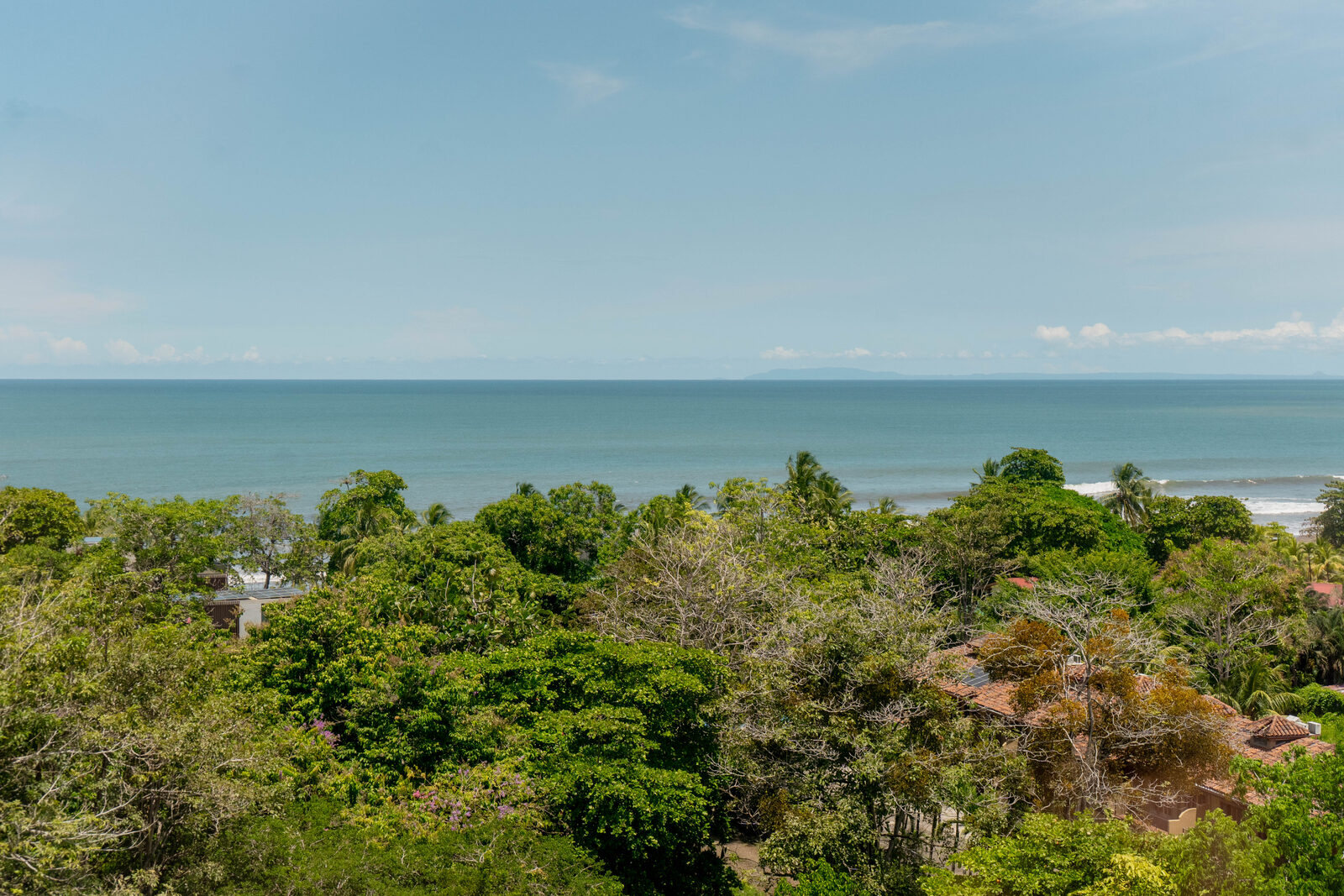
The best tours from Jacó, Costa Rica aren’t a secret, the locals know you’re spoiled for options here, and so do the operators charging for them.
What makes Jacó and Los Sueños different from most of Costa Rica is the radius. Manuel Antonio National Park is 90 minutes south on the coast highway. Carara National Park is 20 minutes north. The Tárcoles River: home to the densest concentration of American crocodiles on earth: runs right under the bridge you drove over on the way in. Tortuga Island is a catamaran ride away. Two class III-IV rivers for white water rafting are within two hours.
Most luxury destinations in Costa Rica have one signature experience within reach. Jacó and Los Sueños have ten, and half of them are half-day.
That also means there are a lot of tour operators competing for your wallet, variable quality, and a lot of noise to cut through. This guide covers every major tour from Jacó, what each one costs, who it’s right for, and — critically — which ones are worth your time.
Who to Book With: Verified Jacó & Central Pacific Tour Operators
Skip the flyer vendors outside the grocery store. These are established operators with track records, real ICT permits, and consistent reviews.
Jacó & Los Sueños Area
Adventure Tours Costa Rica — One of the longest-running operators in Jacó (over a decade). Full menu: ATV, zipline canopy tours, monkey tours, white water rafting, surf lessons, Tortuga Island, Manuel Antonio day trips. Good for groups wanting a one-stop shop.
Jaco Tour Desk — Full-service agency covering the entire Jacó and Los Sueños area, including private airport shuttles and VIP services. Excellent for coordinating multi-activity itineraries and groups who want concierge-level logistics.
Jaco VIP — Specialists in ATV and zipline combo packages (10 ziplines + hanging bridges + Tarzan swing). Good rates on combo tours; their ATV + zipline package is among the better-priced in the region.
Kings of Jacó — Adventure tour specialists (ATV, zipline, surfing, jungle tours). Consistently strong Google reviews. Good fit for groups who want experienced guides without big-agency overhead.
Rainforest Adventures Costa Rica Pacific — The most certified aerial tram + zipline operation near Jacó. 9 cables, 15 platforms, ocean views. Run at 8am, 10am, and 2pm. ICT-certified with maintained safety equipment. This is the one we recommend when safety certification matters most.
Manuel Antonio Area
Planet Dolphin — Operating since 1989; over 100,000 guests served. Their flagship Tom Cat catamaran (150 capacity) departs from Marina Pez Vela in Quepos. Fully all-inclusive: gourmet lunch, open bar, snorkeling gear, bilingual crew. One of the most trusted names on Costa Rica’s Pacific coast.
Iguana Tours — Manuel Antonio–based operator running catamaran and snorkeling excursions, kayak tours, Damas Island mangrove tours, and night wildlife walks. Morning snorkeling at Playa Biesanz and afternoon sunset sailing both depart from the park area.
Sunset Sails Tours — Catamaran and sailboat tours out of Manuel Antonio (Marina Pez Vela), specializing in dolphin + whale watching combined with sunset sailing and snorkeling. Good option for the Manuel Antonio area if Planet Dolphin is sold out.
Booking note: For fishing charters out of Los Sueños Marina, see our dedicated Los Sueños fishing guide — the marina warrants its own breakdown.
Manuel Antonio Day Trip: The One You Can’t Skip
Distance from Jacó: ~90 km south on Route 34 (approx. 1.5 hours)
Duration: Full day (7am–6pm)
Price: $90–150/person guided; $40–60/person self-drive (park entrance + transport only)
Manuel Antonio National Park is the most-visited national park in Costa Rica, and it earns it. It’s one of the few places where you can walk a trail through a dense patch of rainforest, exit onto a white sand beach, watch three-toed sloths sleep in the trees fifteen feet above you, and then swim in the Pacific.
The wildlife is genuinely impressive: white-faced capuchins that walk up to your beach bag if you’re not careful, red-eyed tree frogs tucked into leaves along the trail, and squadrons of brown pelicans cruising the coastline. But it’s the combination of beach and jungle in one park that makes it click. A lot of parks have one or the other. Manuel Antonio has both, packed into just under 2,000 hectares of terrestrial rainforest and beach.
The catch: The park caps daily visitors and fills up: capacity has been reduced in recent years, and in high season (December through April) it can sell out days in advance. You must buy tickets online through the official SINAC system at reservas.sinac.go.cr before you arrive. Walk-up visitors are routinely turned away, especially on weekends.
Guided vs. self-drive: A guided day trip from Jacó (around $90–150/person) includes transport, a bilingual naturalist guide, and often lunch. The guide matters here: trained naturalists spot animals that most visitors walk past entirely. On a self-drive trip you’re looking up at branches hoping something moves. With a guide, you see sloths, toucans, white-faced monkeys, and coatis you would have walked by. Worth the premium if you care about the wildlife at all.
Book through: Adventure Tours Costa Rica or Jaco Tour Desk both run reliable Manuel Antonio day trips with transport, guide, and park entry included.
Worth it? Unquestionably yes. This is one of Costa Rica’s genuine must-dos. If you’re based in Jacó for a week and don’t go, you’ll regret it.
Carara National Park + Tárcoles Bridge: The Efficient Half-Day
Distance from Jacó: ~15 km north (20 minutes)
Duration: Half-day (3–4 hours)
Price: $65–85/person guided; $11–12 park entrance fee (SINAC, pre-purchase online)
Carara doesn’t get Manuel Antonio’s press but it’s a quieter, more serious birding experience. The park sits in a transition zone where dry Pacific forest meets humid Caribbean forest, which creates unusual biodiversity: species from both ecosystems sharing the same terrain. It’s one of the last strongholds of the scarlet macaw on Costa Rica’s Pacific coast.
If you’ve seen scarlet macaws in photos but not in real life, Carara will fix that. They’re bigger than you expect (about the size of a crow) with red, yellow, and blue plumage that genuinely looks photoshopped against a blue sky. They roost in large groups in the park at dawn and at dusk. The 6am departures are timed for exactly this. Show up at 7:30am and you’ll probably miss the good macaw window.
Pre-purchase your park entrance. SINAC (the national park system) requires online booking at reservas.sinac.go.cr. The fee is $11–12 per person for non-residents. If you show up without a booking and the park is at capacity, you’re not getting in.
Add the Tárcoles Bridge: no extra cost. Route 34 crosses the Tárcoles River about 3 km before the park entrance. Pull over and walk to the center of the bridge. Below you, in the murky estuary, you’ll see American crocodiles, typically 8–15 animals, some over 4 meters long, sunning on the muddy banks or floating motionless in the shallows. It’s free. It takes 10 minutes. And it’s one of the most viscerally impressive wildlife stops in Costa Rica.
Do Carara and the bridge on the same morning. You’re back at the pool by noon.
Worth it? Yes. Especially if you’re a birder, a photographer, or if someone in your group gets more excited by wildlife than beaches. And combine it with the bridge regardless, the detour is literally zero.
Crocodile Boat Tours: Closer Than the Bridge
Location: Río Tárcoles, 20 min from Jacó
Duration: 2 hours
Price: $35–50/person
If looking down at crocodiles from a bridge isn’t close enough, the boat tour puts you in a flat-bottomed skiff alongside them. Operators run out of the small docks near the river mouth and spend about two hours navigating the mangrove channels and estuary.
American crocodiles in the Tárcoles are exceptional specimens: well-fed, long-lived, and habituated to boats. You will be a few feet away from animals that could eat you, and the boat captains are nonchalant about it in a way that is either reassuring or unsettling, depending on your personality.
The tour also covers the mangrove ecosystem itself, which has herons, egrets, kingfishers, and roosting bats in the roots. It’s not just a crocodile stunt. It’s a river ecology tour that happens to feature apex predators.
Multiple operators run this daily. It’s easy to book same-day, and prices are competitive. If you’re already going to Carara, tack on the boat tour afterward in the afternoon. The bridge is free; the boat costs $35–50/person and goes much deeper into the system.
Worth it? Yes, if you want the immersive version. The bridge stop is free and shouldn’t be skipped regardless. The boat tour is for people who want to actually understand the river ecosystem, not just peer at it.
Waterfall Tours: Some Are Worth the Effort, Some Aren’t
Price range: $60–100/person depending on type
Duration: Half-day to full day
The Central Pacific has three distinct waterfall experiences, and they’re not equally worthwhile:
Nauyaca Waterfalls (~1.5 hours south, near Dominical): Two-tiered waterfall with a combined drop of about 60 meters into a freshwater pool. The hike in is 11km round trip on a flat trail through agricultural land and jungle: doable but sweaty. You can also hire horses part of the way, or book a guided ATV tour that cuts most of the hiking. The swimming hole at the base is cold, clear, and one of the better payoffs in the region. Budget a full day.
Local waterfall hikes (Bijagual, Poza Azul): Shorter and easier to access from Jacó, with scenic trail sections. Bijagual Falls is impressive at around 200 meters, one of the tallest accessible waterfalls in Costa Rica. Not as visited as Nauyaca, which means more quiet.
Montezuma Waterfalls (on the Nicoya Peninsula): These are iconic, but getting there requires the Paquera ferry from Puntarenas or a 4-hour drive around the gulf. Beautiful, but not a day trip from Jacó. It’s a dedicated trip or a detour on a full itinerary.
ATV + waterfall combos: Most popular option from Jacó. Four-wheeler trail rides through jungle and river crossings, often stopping at a local waterfall and a viewpoint. Runs $60–100/person depending on duration. Good format if your group doesn’t want to commit to a serious hiking day.
Worth it? If waterfalls are your thing, yes — Nauyaca in particular. If you’re neutral on waterfalls and have limited days, spend them elsewhere. The ATV combo is a reasonable way to get both an adventure tour and a waterfall without doubling down on a single theme.
ATV, Zipline, and Adventure Tours: The Action Lineup
ATV jungle tours: $80–120/person, 2–3 hours
Zipline/canopy tours: $70–100/person, 2–3 hours
ATV + zipline combo: $110–150/person
White water rafting: $85–110/person, full day
ATVs
ATV tours from Jacó run through trails in the hills behind Herradura and Jacó: jungle tracks, river crossings, and elevated viewpoints over the Pacific. The terrain is legitimately fun: slippery in rainy season, dusty in dry season, always scenic. Groups of 2–8 typically head out with a guide.
Most tours run 2–3 hours and include hotel pickup from Jacó. No prior experience needed. The minimum age varies by operator (typically 16 to drive, kids can ride as passengers). Prices run $80–120/person.
Kings of Jacó and Adventure Tours Costa Rica both run well-reviewed ATV experiences with bilingual guides. Jaco VIP specializes in the ATV + zipline combo format, which is the better value if you want both activities.
Zipline
Two main operations near Jacó: Rainforest Adventures Costa Rica Pacific and the canopy park used by Jaco VIP and other operators.
Rainforest Adventures runs a gondola aerial tram up through the forest canopy with zipline descents: good for people who want to see the canopy from below and above. 9 cables, 15 platforms, ocean views. Safety equipment and procedures are the most rigorous in the area. ICT-certified.
Jaco VIP’s zipline operation (used by several local resellers) offers 10 ziplines + 3 hanging bridges + Tarzan swing, about 15 minutes from Jacó. High-energy format, popular with groups who want maximum features.
Prices run $70–100/person for a standard canopy tour. Do not book with a random operator handing out flyers in town. The cost difference between a certified operation and a budget one is maybe $20. The safety difference is not small.
See our full activity guide to surfing and outdoor sports for more on action-oriented tours near Jacó.
White Water Rafting
Two rivers within reach: the Río Savegre and the Río Naranjo.
Savegre runs Class II–III: clear water, rainforest canyon, wildlife along the banks. It’s about 90 minutes to 2 hours from Jacó and is the better option for families, first-timers, or anyone who wants a scenic float with some technical water. Naranjo is the more demanding river at Class III–IV, more consistent adrenaline, and better for experienced rafters who specifically want to challenge themselves.
Full-day tours run $85–110/person including guide, equipment, transport, and lunch. Adventure Tours Costa Rica and Jaco Tour Desk both offer rafting packages with same-day hotel pickup.
The combo angle: Most adventure tour operators offer 2-activity or 3-activity packages (ATV + zipline, zipline + waterfall, etc.) at better per-activity rates. If your group is doing two or more of these, a combo package will save you $20–40/person.
Worth it? Yes, especially combos. Zipline and ATV are both solid half-day activities that leave your afternoon free. Rafting is a full day but a genuinely different kind of trip: worth it once, especially for groups who want some adrenaline.
Tortuga Island Catamaran: The Crowd-Pleasing Full Day
Location: ~30 km offshore, Gulf of Nicoya
Duration: Full day (approximately 7am–5pm)
Price: $120–160/person
Includes: Catamaran cruise, two snorkeling stops, beach time on Tortuga Island, open bar, lunch
Tortuga Island sits in the Gulf of Nicoya and the catamaran run from Los Sueños marina takes about 45 minutes each way across open water. On a calm dry-season morning this is genuinely beautiful: flying fish alongside the hull, frigatebirds overhead, the Pacific coast receding behind you.
The island itself has white sand beaches with good snorkeling (parrotfish, angelfish, occasional reef sharks) and calm water on the leeward side. Lunch is typically grilled fish, rice, plantains, served on the beach. The open bar runs most of the day.
It’s a crowd-pleasing format: ocean, snorkeling, beach, tropical lunch, drinks. Families with kids and couples both enjoy it. The tour is reliably well-run by the main operators because it has to be. It’s their flagship product.
Booking note: In high season (December–April), book 2–3 days ahead. This fills up. The catamaran holds 40–60 people and the best departure times (7–8am) sell first.
Worth it? Great, not transcendent. If your group will enjoy a classic beach day with snorkeling and an open bar, it delivers exactly that. If you’re a serious diver or snorkeler expecting dramatic reef systems, the snorkeling is nice but not Caribbean-grade. Manage expectations appropriately and you’ll have a terrific day.
Catamaran Sunset Cruise: The Local Favorite
Duration: 3–4 hours
Price: $80–120/person
Includes: Sailing, snorkeling stop, open bar, appetizers, dolphins (probable)
This is the most popular tour in the Jacó/Los Sueños area, and it’s earned that status.
Departures are typically 2:30–3pm, out of Los Sueños marina or Jacó. The route heads offshore, often into a snorkeling stop, then follows the coast as the sun drops. Common dolphin pods are frequently seen in the afternoons along this stretch of coast: bottlenose and spotted dolphin both live here year-round.
As the sun drops below the water line, you’re on a sailing catamaran with a glass in your hand and the Pacific coast behind you. It sounds like a brochure. It actually happens that way.
The open bar is real, the appetizers are decent, and the guides are experienced with the dolphin and whale areas. Humpback whales pass through during migration season (July–October and December–March), and sightings are common enough to be genuinely expected.
For Manuel Antonio–area catamarans, Planet Dolphin (since 1989, departing Marina Pez Vela) and Sunset Sails Tours are the established names. For Jacó/Los Sueños departures, Adventure Tours Costa Rica and Jaco Tour Desk both book reliable catamaran cruises.
Worth it? Absolutely yes. If you do one tour from Jacó or Los Sueños, this might be it. It works for almost every type of group: couples, families, friend trips. It’s the most reliable format for a memorable evening, and the combination of dolphins, sunset, and open water is consistently delivered.
Book 2–3 days ahead in high season.
Coffee Plantation Tours: Skip Unless You’re Actually Interested
Duration: Full day (transport + tour = 8–10 hours)
Price: $80–120/person with transport from Jacó
Costa Rica has excellent coffee, and the Central Valley farms around Naranjo, Tarrazú, and Dota produce some of the best in the country. If you care about specialty coffee, a farm tour is legitimately interesting. You’ll see the full process from cherry picking to dry milling, understand altitude and varietal differences, and taste the difference between a washed and honey process.
The problem from Jacó: the serious coffee farms are 2.5–3 hours into the mountains. You’re spending a significant chunk of your trip day in a vehicle. The tours themselves run 2–3 hours. You’re back at your rental by 7pm having spent most of the day in transit.
That math works if coffee is genuinely your thing. It doesn’t work if you’re mildly curious and have limited days in Costa Rica. Save this one for a dedicated rainy day when beach activities aren’t an option, or skip it entirely.
Worth it? Only if you’re a coffee nerd. And if you are, go to Tarrazú. It’s worth the extra hour for the altitude and the views.
Fishing Charters: A Brief Note (Full Guide Below)
Half day: $800–1,200 (private boat, 1–4 people)
Full day: $1,500–2,500 (private boat, 1–4 people)
Los Sueños has one of the most productive sport fishing marinas in the world. The marina operates year-round with fleets targeting sailfish, marlin, tuna, mahi-mahi, and roosterfish depending on season. This is a full topic unto itself.
For the full breakdown of fishing logistics — what to target by month, which captains run which style of boat, what the marina setup looks like — read our complete Los Sueños fishing guide.
Best Tours by Month: Seasonal Guide to the Central Pacific
The Central Pacific has two distinct seasons that shape what you’ll see and which tours deliver best.
Dry Season (December – April): Peak Wildlife & Ocean Tours
Best for: Catamaran tours, Manuel Antonio, Tortuga Island, surfing, whale watching
- December–January: Humpback whale migration (South Pacific whales) active. Sunset catamarans and dolphin tours have the highest whale sighting rates. Manuel Antonio is at its most crowded — book park tickets a week out. Excellent for beach days.
- February–March: Optimal dry season. Offshore winds make sailing smooth; low surf on protected beaches; macaw nesting season in Carara. Best overall month for Tortuga Island catamarans.
- April: Still dry. Surf picks up on Pacific-facing beaches — good month for surfing in Jacó. Crowds thin slightly before Easter week spikes.
Green Season (May – November): Fewer Crowds, More Wildlife
Best for: Waterfall tours, Nauyaca hikes, rafting, ATV, whale watching return
- May–June: Transition month. Waterfalls begin to fill; Nauyaca is dramatically more impressive after first rains. Good for ATV tours (trails are lush, not dusty).
- July–August: Humpback whale migration (North Pacific whales) peaks. Planet Dolphin and Sunset Sails see high whale encounter rates this month. Nauyaca at its best — pool is full, forest is green.
- September–October: Wettest months. Heavy afternoon rains most days. Manuel Antonio is less crowded and the park looks its best. Catamaran tours run in mornings when conditions allow. White water rafting on the Naranjo peaks — Class IV conditions.
- November: Transition back to dry. Rains ease. Good month for value-seeking travelers: operators offer deals, parks aren’t crowded, and whales are still occasionally spotted.
Green season reality check: “Rainy season” mostly means afternoon showers. Mornings are typically clear and warm. Plan wildlife tours and national park visits for 6am–noon; save catamarans for early afternoon when weather allows.
Tour Pricing Summary: What to Budget
| Tour | Price Range | Duration | Book Ahead |
|---|---|---|---|
| Manuel Antonio day trip (guided) | $90–150/person | Full day | 3–7 days |
| Carara National Park (guided) | $65–85/person | Half day | 1–2 days |
| Crocodile river boat tour | $35–50/person | 2 hours | Same day |
| ATV jungle tour | $80–120/person | 2–3 hours | 1–2 days |
| Zipline/canopy tour | $70–100/person | 2–3 hours | 1–2 days |
| ATV + zipline combo | $110–150/person | Half day | 1–2 days |
| White water rafting (Savegre) | $85–110/person | Full day | 1–2 days |
| Catamaran sunset cruise | $80–120/person | 3–4 hours | 2–3 days |
| Tortuga Island catamaran | $120–160/person | Full day | 3–5 days |
| Nauyaca Waterfalls (guided ATV) | $80–110/person | Full day | 1–2 days |
| Fishing charter (half day) | $800–1,200/boat | Half day | 3–7 days |
Prices are per-person unless noted. Fishing charter prices cover the full boat (1–4 anglers). All prices in USD as of 2025–2026.
How to Book Tours from Jacó and Los Sueños
Three ways to book: ranked by our preference:
Through the Nest Stays Concierge (Best Option)
If you’re staying with us, use this. Our concierge team knows the local operators and can recommend the right ones for your group. We handle logistics, coordinate pickups, and can build multi-day itineraries that combine tours efficiently. You ask, we book: you don’t deal with the back and forth.
Established Local Operators
If you’re booking independently, go with operators that have been running for 3+ years, have verifiable reviews on TripAdvisor or Google, and can show you their ICT (Costa Rican Tourism Board) operating permits. For zipline and ATV specifically, ask directly about their safety certifications and when equipment was last inspected.
The operators listed in this guide — Adventure Tours Costa Rica, Rainforest Adventures, Jaco Tour Desk, Jaco VIP, Kings of Jacó, Planet Dolphin, Iguana Tours — all meet this bar. They’re real operations with real track records.
Hotel Tour Desks and Online Platforms
Hotels take a commission, which sometimes means they push certain operators regardless of quality. Online platforms like Viator are fine for larger operators (Manuel Antonio tours, Tortuga Island catamarans) where reviews are plentiful. Avoid booking anything involving physical risk (zipline, ATV, rafting) from anonymous operators with fewer than 50 reviews.
What to avoid: Street vendors offering tours outside grocery stores and surf shops. The price will be $10–20 cheaper than a vetted operator. Sometimes they’re fine. Sometimes they’re not, and you find out at altitude on a zipline.
High season booking windows:
- Manuel Antonio day trips: 3–5 days ahead
- Tortuga Island catamaran: 2–3 days ahead
- Sunset catamaran cruises: 2–3 days ahead
- Carara and ATV tours: 1–2 days ahead usually sufficient, same-day often possible
- Crocodile boat: Same-day bookings common
Frequently Asked Questions
How much do tours cost in Costa Rica?
Tour prices in the Central Pacific range from $35 (crocodile river boat) to $160/person (Tortuga Island full-day catamaran). The sweet spot for adventure tours — ATV, zipline, waterfall — is $80–120/person for a half-day. Full-day guided experiences like Manuel Antonio or white water rafting run $85–150. Budget $200–300/person for 3–4 days of varied activities if you want to cover the highlights without doing everything. Combo packages from operators like Jaco VIP or Adventure Tours Costa Rica cut per-activity costs by $20–40.
Can you book tours last minute in Costa Rica?
Yes, for most tours — with two exceptions. Manuel Antonio National Park requires advance online ticket purchase (reservas.sinac.go.cr) regardless of how you book; same-day walk-ins are routinely denied, especially December through April. Tortuga Island catamarans fill quickly in high season — book 3–5 days out. Everything else — ATV, zipline, crocodile boats, sunset catamarans — can typically be booked 24–48 hours out or same-day. If you’re traveling in July or August, whale watching catamaran slots fill quickly too.
What’s the best tour in Jacó, Costa Rica?
For first-timers: the catamaran sunset cruise is the most consistent bang-for-buck experience in the region. Open bar, dolphin sightings most days, Pacific sunset. It works for couples, families, and groups. The Manuel Antonio day trip is the must-do wildlife experience — go at least once during any week-long stay.
For adventure-seekers: the ATV + zipline combo through the jungle hills above Jacó delivers the most concentrated adrenaline for a half-day. The crocodile river boat tour is outstanding value at $35–50 and genuinely impressive.
Which Tours Are Actually Worth Your Time: An Honest Ranking
Book These Without Thinking Twice
Manuel Antonio day trip: One of Costa Rica’s legitimate must-do experiences. The wildlife and beach combination doesn’t exist anywhere else in the country at this level of accessibility. Go.
Carara + Tárcoles Bridge: The bridge stop is free and takes ten minutes. Do it. Add the Carara guided tour if you want to spend time in the forest. Add the crocodile boat if you want the river. This whole combination is a perfect half-day.
Catamaran sunset cruise: The most reliable format for a great evening in this region. Almost always delivers what it promises. Book it.
Great If They Match Your Group
ATV/zipline combos: Good adventure format. Better value as a combined package. Leave your afternoon free for the beach. Works best for groups that want some adrenaline without committing to a full-day expedition.
Tortuga Island catamaran: Full-day crowd-pleaser. Especially good for families and mixed groups where people want different things from a tour. The snorkeling, beach, and open bar cover most preferences simultaneously.
Nauyaca Waterfalls: If your group wants a proper jungle hike with a dramatic payoff, this delivers. Don’t do the 11km round trip in January heat without water and proper shoes. The ATV access version is the better option for most people.
Skip Unless You Have a Specific Reason
Coffee plantation tours: Three hours round-trip in a van for a two-hour farm tour. Great content if you’re genuinely passionate about coffee or looking for a rainy-day land activity. Inefficient use of a beach day.
White water rafting: Not a skip. It’s actually excellent. But it earns a “specific reason” flag because it’s a full-day commitment that precludes other activities. Worth planning a whole day around if your group wants it. Don’t tack it on casually.
Where to Stay for the Best Tour Access
The Central Pacific corridor from Los Sueños to Jacó is the ideal base for everything above. You’re close enough to Carara (20 minutes), Manuel Antonio (90 minutes), and the marina for catamaran departures that you’re not adding hours to every excursion.
Los Sueños properties offer the added benefit of direct marina access for fishing and catamaran departures, plus on-property concierge booking through the resort.
Nest Stays manages properties throughout Los Sueños, Herradura, and Jacó: all within reach of the tour operators described here, with concierge service to handle bookings and logistics. We take care of the planning so you actually relax.
Explore our day trips from Jacó guide and wildlife guide for even more ideas, or reach out to us directly — we’ll build your activity calendar before you land.
Practical Notes
Morning vs. afternoon: For wildlife-focused tours (Carara, Manuel Antonio, crocodile boats), morning is almost always better. Animals are active before 10am; after that, heat sends them into the canopy. For beach-based tours (Tortuga Island, sunset catamaran), timing is built into the tour.
What to bring: Closed-toe shoes for jungle and ATV tours. Quick-dry clothes. Bug spray (DEET-based if you’re serious about it). Light rain jacket in green season. Sunscreen for anything on the water: the Pacific reflection adds up fast.
Tipping: Standard is $5–10/person for half-day tours, $10–20/person for full-day tours. Guides work hard and it’s expected. Bring small bills in USD or colones: guides rarely have change for a $50.
What operators cost more for a reason: For any tour involving equipment (zipline, ATV, rafting), the certified operators with ICT permits and maintained gear charge 20–30% more than budget alternatives. It’s worth it. Every time.
Related Guides
- Herradura Area Guide — Calm bay, marina, and beachfront dining
- Los Sueños vs Jacó vs Manuel Antonio — Compare the top beach destinations
- Central Pacific Dining Guide — Where to eat in Los Sueños, Herradura & Jacó
- Escazú Market Guide — Costa Rica’s premier corporate rental market
Ready to Experience Jacó?
Book your Jacó vacation rental with Nest Stays — and wake up right where the action is.