Jacó Beach Guide: Swimming, Tides & Safety (2026)
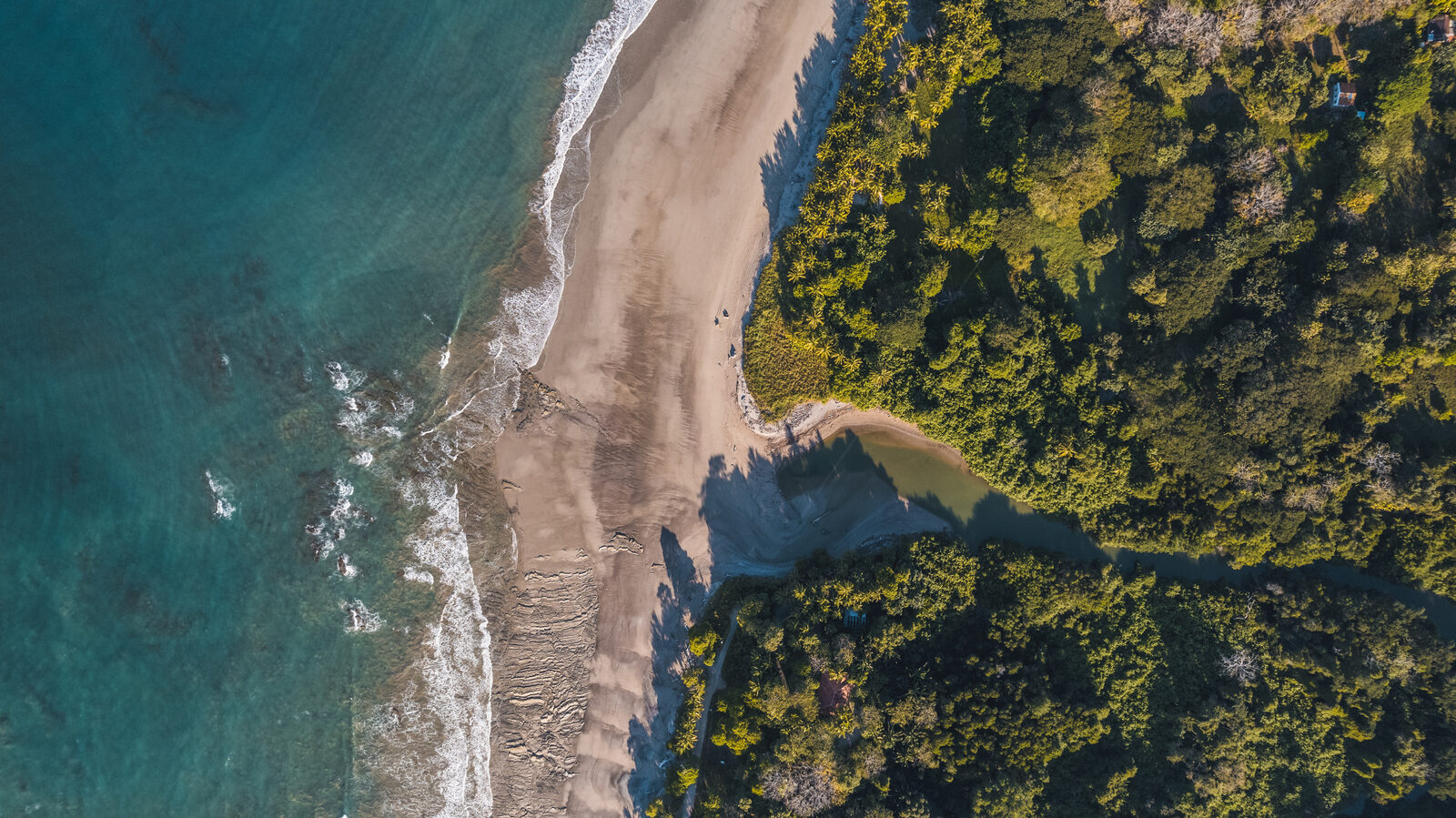
Planning a trip to Jacó Beach and wondering about the swimming conditions? You’re smart to ask. The Pacific coast of Costa Rica has a reputation for powerful waves and strong currents, and Jacó is no exception. This guide breaks down everything you need to know about swimming safely at Jacó Beach, from understanding the tide patterns to knowing what to do if you get caught in a rip current.
Understanding Jacó’s Beach Sections
Jacó Beach stretches for about 2.5 miles (4 km) along the Gulf of Nicoya, and the conditions vary significantly depending on where you set up for the day.
North Jacó (toward Herradura and Los Sueños) tends to have slightly calmer conditions, especially during low tide. This area is popular with families and beginner surfers because the shore break is less aggressive here. The beach access points near the Los Sueños Marina and Hotel Villa Caletas see fewer crowds than the central strip, which means more room to spread out. If you’re traveling with kids or just want a more relaxed swimming experience, this northern section is your best bet.
Central Jacó is the busiest stretch, right off the main Avenida Pastor Díaz strip. This is where you’ll find the most beach vendors, umbrellas for rent, and other tourists. The waves here can be inconsistent; some days are manageable, others throw you right into the shore break. This section also has the most visible lifeguard presence (more on that below), which is comforting if you’re not familiar with Pacific coast conditions.
South Jacó has a different character. Surfers dominate this end, and the wave energy is noticeably higher. The area near Hotel Club del Mar and toward Playa Hermosa is known for stronger currents. This isn’t the place for casual swimming, especially if you’re not a strong swimmer. Many experienced surfers actually prefer this section precisely because of the bigger waves, but that same energy makes it less ideal for families or casual water play.
The key takeaway: not all of Jacó Beach is created equal. Ask your accommodation which section is best for swimming on any given day, and don’t assume the entire beach offers the same conditions.
How Tides Affect Swimming at Jacó
Jacó sits on the Pacific coast, and the tides here are what locals call “relatively strong” compared to some other Costa Rican beaches. Understanding how tides work here isn’t optional. It’s essential for your safety.
High tide at Jacó typically means bigger waves pushing toward the shore. This is when the shore break can be most aggressive, especially on the central and southern sections. If you’re planning to swim during high tide, be prepared for more powerful waves and position yourself where you can easily get back to dry sand if needed. High tide also reduces the amount of beach available for laying out your towel, so arrive early if you want a good spot.
Low tide exposes more beach and generally creates calmer conditions for swimming, particularly in the northern section. However, don’t mistake “calmer” for “safe.” Rip currents can actually be more dangerous during low tide because the water pulling back out has less resistance. Always stay aware, even when the water looks flat.
The best approach: check the daily tide chart before you head to the beach. Most weather apps and sites like Surfline show tide times for Jacó. Plan your swimming for when the tide is transitioning (either coming in or going out slowly) rather than during the extremes.
Rip Currents: The Biggest Safety Concern
If there’s one thing you take away from this guide, make it this: rip currents are a real threat at Jacó Beach.
The U.S. Lifesaving Association estimates that rip currents cause more than 100 deaths annually in the United States alone, and Costa Rica’s Pacific coast is not exempt. Several travel advisory sources and local safety reports specifically warn about dangerous swimming conditions along the Central and South Pacific regions, including Jacó.
How to Identify a Rip Current
Look for these warning signs:
- A channel of churning, choppy water running perpendicular to the shore
- A difference in water color: often darker or more murky where the current is pulling water out
- Foam or debris moving steadily seaward while the surrounding water is relatively calm
- A break in the incoming wave pattern: waves may not be breaking as consistently in the rip zone
Not all rip currents are obvious. If the water just doesn’t look right or feels like it’s pulling you even slightly, get out.
How to Escape a Rip Current
If you find yourself caught in a rip current, remember these three steps:
- Don’t fight it. The current is stronger than you. Swimming directly against it will exhaust you in minutes.
- Swim parallel to shore. Move sideways, perpendicular to the current. This is the most critical step; it takes you out of the narrow rip channel.
- Once you’re out of the current, swim diagonally back toward the beach at a 45-degree angle.
If you can’t swim out of the current, float and tread water. Wave your arms and yell for help. Conserve your energy and wait for assistance. Many rescues happen because people panic and exhaust themselves trying to swim directly back to shore.
Local lifeguards and the Tourism Police (Fuerza Publica) stationed along the beach are trained to recognize rip currents and respond quickly. But the best rescue is the one you never need. Know the conditions before you go in.
The Lifeguard Situation
Here’s the honest answer: lifeguard coverage at Jacó Beach is limited and inconsistent.
According to local safety reports, Jacó does have lifeguard presence in certain areas, primarily near the central strip where Red Cross workers and Tourism Police (Fuerza Publica) monitor the beach during peak hours. However, coverage is not comprehensive across the entire 2.5-mile stretch. Some sections (particularly the northern and southern ends) may not have visible lifeguard stations.
The Tourism Police and local emergency services do patrol the beach, but you cannot rely on immediate rescue like you would at a well-monitored resort beach. This is true of most public beaches in Costa Rica. The U.S. State Department travel advisory specifically notes that most Costa Rican beaches do not have lifeguards or warning signs for unsafe conditions.
What this means for you: Assume you’re responsible for your own safety first. Swim at the central section where lifeguard presence is strongest, never swim alone, and stay within your depth.
Best Times to Swim
Based on conditions and safety, here’s the breakdown:
-
Early morning (6 AM – 9 AM): Generally the calmest conditions. The wind is usually lower, the waves are less aggressive, and the beach is uncrowded. This is ideal for swimming, especially if you’re in the northern or central sections.
-
Midday (11 AM – 2 PM): The sun is intense, and this is when most people hit the water. Conditions can change as the tide shifts. The central beach is busiest here.
-
Late afternoon (4 PM – 6 PM): Another good window, though conditions can pick up as the afternoon wind increases. Watch for changing tides; if the tide is going out, rip current risk increases.
Times to avoid:
- Never swim at night. Simple as that. Visibility is zero, and rescue is nearly impossible.
- Avoid swimming during or after heavy rain. Runoff from the mountains can affect water quality, and conditions can change rapidly.
- Be cautious during high surf advisories. Local surf reports (like Surfline and Surf-Forecast) track conditions. If the swell is massive, stay out. The water won’t be fun anyway.
Beach Vendors and Safety Considerations
The beach vendors at Jacó are persistent but generally harmless. You’ll be approached selling everything from jewelry and sarongs to braiding services and surfboard rentals. A polite “no gracias” is usually enough.
From a safety standpoint, vendors aren’t a major concern. Just be mindful of:
- Not leaving valuables unattended on your towel while you wade in the water. Petty theft from beaches is one of the most common complaints from tourists. Use a small waterproof bag for your phone and keys, or leave valuables at your accommodation.
- Negotiating prices upfront if you rent a surfboard, umbrella, or chair. Rates vary, and there’s no standardized pricing.
- Being aware of your surroundings when vendors approach. It’s usually fine, but standard tourist awareness applies.
Seasonal Variations: When Conditions Change
Dry Season (December – April) generally brings smaller, cleaner waves to Jacó Beach. Offshore winds groom the surf, and conditions are more predictable for swimming. This is the peak tourist season, so beaches are busier and the central strip is most active. For casual swimmers, dry season is the easier time to enjoy the water.
Green Season (May – November) is when the swells get serious. Bigger, more powerful waves roll in, especially from June through September. The water is warmer during these months (around 82-84°F / 28-29°C), but the increased wave energy makes swimming riskier for anyone who isn’t a strong swimmer. Tropical storms can spike wave energy even further with little warning, so always check current conditions before heading in.
Shoulder seasons (May-June and November) often offer the best balance: smaller crowds and decent weather. November can be particularly nice as the heavy rains taper off but the tourist crowds haven’t arrived yet.
Specific Hazards to Know
Sea lice and jellyfish stings do occur at Jacó Beach. Several travel forums and local reports mention incidents of swimmers getting stung, with symptoms including rashes, itching, and burning sensations. These stings typically come from jellyfish larvae (often called “sea lice”) that float near the shore, particularly during certain times of year.
- What to do if stung: Rinse the affected area with vinegar (acetic acid) to neutralize the sting. Avoid fresh water, as it can make the pain worse. Over-the-counter antihistamines and hydrocortisone cream can help with itching. If you have a severe reaction, seek medical attention.
- When stings are more common: Reports tend to increase during the warmer months (March-May) and after periods of calm, warm water. If you notice a lot of floating organic matter or jellyfish near the shore, consider skipping the swim.
Crocodiles are occasionally spotted in the estuaries and rivers near Jacó, particularly around the mangroves between Jacó and Herradura. They’re not typically a threat at the main beach itself, but avoid swimming near river mouths or estuary areas, especially at dawn and dusk.
Sun exposure is a year-round hazard in Costa Rica. The UV index is extremely high, even on cloudy days. Use reef-safe sunscreen, wear a hat, and seek shade during peak sun hours (10 AM – 2 PM). Dehydration sneaks up on people quickly in the tropical heat.
Quick Safety Checklist
- Check tide and surf conditions before heading to the beach
- Swim in the central or northern sections if you’re a beginner or casual swimmer
- Never swim alone
- Stay within your depth and near the shore
- If you get caught in a current, swim parallel to shore — never against it
- Keep valuables secure or left at your accommodation
- Wear reef-safe sunscreen and stay hydrated
- Know where the nearest lifeguard station is (central strip, near Avenida Pastor Díaz)
- Have a local SIM card or working phone for emergencies
Frequently Asked Questions
Is Jacó Beach safe for swimming?
Jacó Beach can be safe for swimming, but it requires awareness and caution. The beach has powerful waves and rip currents, particularly on the central and southern sections. The northern end near Los Sueños tends to have calmer conditions. Always check conditions before entering the water and swim only in areas with lifeguard presence when possible.
Are there lifeguards at Jacó Beach?
Lifeguard coverage is limited. Red Cross workers and Tourism Police patrol the central section of Jacó Beach near the main strip, but coverage is not consistent across the entire beach. Do not rely on lifeguards being present. Assume you are responsible for your own safety.
What is the best time of day to swim at Jacó Beach?
Early morning (6 AM – 9 AM) typically offers the calmest conditions. Late afternoon (4 PM – 6 PM) is also good, though conditions can change as the tide shifts. Avoid swimming at night or during high surf advisories.
How dangerous are rip currents at Jacó Beach?
Rip currents are a genuine threat at Jacó Beach. Several travel advisories specifically warn about dangerous swimming conditions on the Central Pacific coast of Costa Rica, including Jacó. Always swim parallel to shore if caught in a current, never swim directly against it.
Can you get stung by jellyfish at Jacó Beach?
Yes, jellyfish stings (from larvae often called “sea lice”) do occur at Jacó Beach. Stings are more common during warmer months (March-May) and after calm, warm weather. Rinse any sting with vinegar and avoid fresh water.
Which section of Jacó Beach is best for swimming?
The northern section (toward Herradura and Los Sueños) generally has the calmest conditions for swimming. The central section is the most popular and has the most lifeguard presence. The southern end is best left to experienced surfers due to larger waves and stronger currents.
Is it safe to swim at Jacó Beach during green season?
Swimming conditions during green season (May-November) are often more manageable due to smaller waves on average. However, tropical storms can create sudden dangerous conditions. Always check current surf reports regardless of the season.
Related Guides
- Jacó Area Guide — Everything you need to know about the town, neighborhoods, and logistics
- Jacó Surfing Guide — If you’re thinking about catching some waves while you’re here
- Best Beaches in Central Pacific Costa Rica — Explore other beaches in the region
Ready to Experience Jacó?
Book your Jacó vacation rental with Nest Stays — and wake up right where the action is.