Costa Rica Packing List: What to Actually Bring (and What to Leave Home)
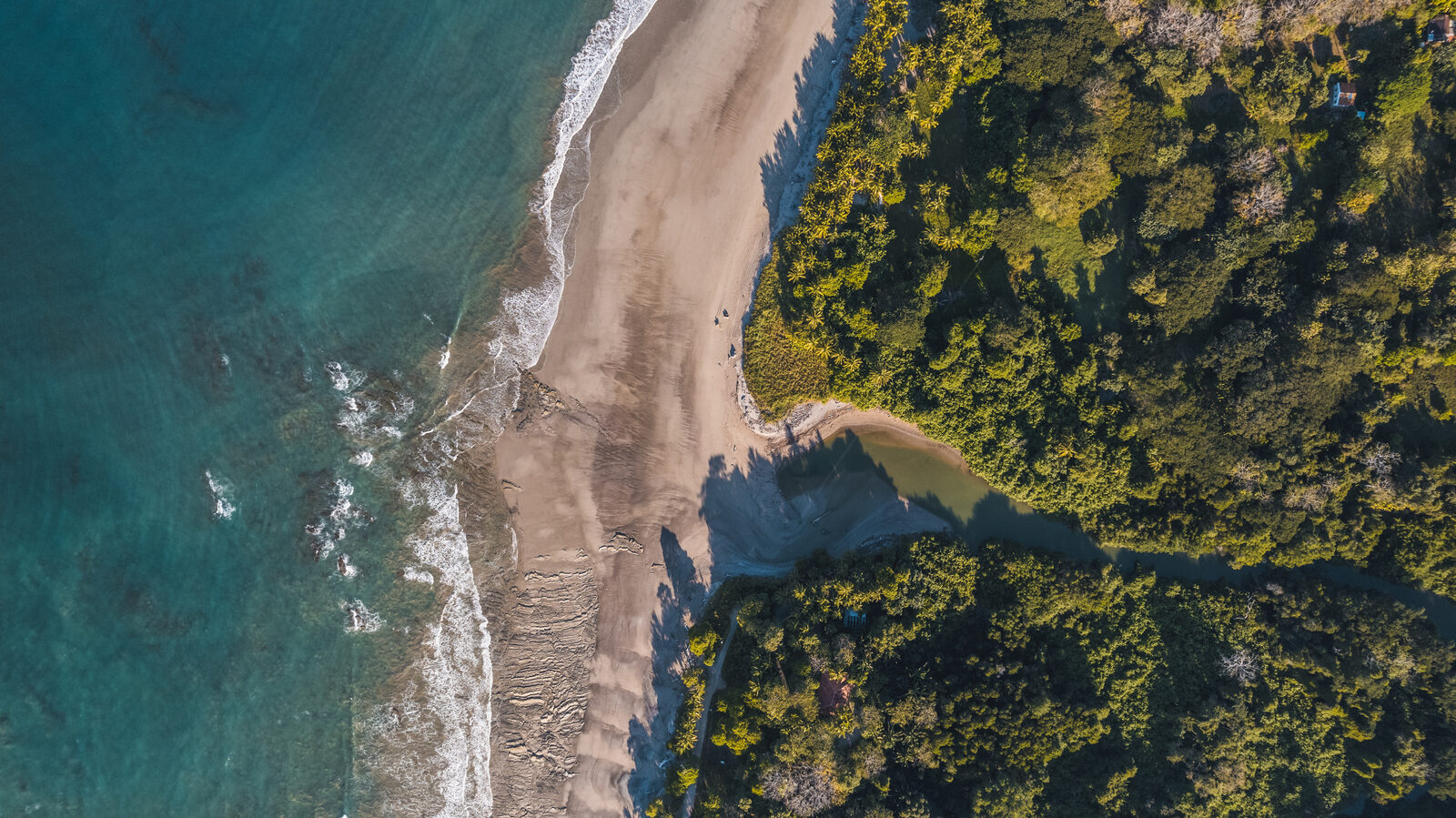
Here’s what most Costa Rica packing lists get wrong: they treat the whole country like one place with one climate. A Costa Rica packing list that works for the dry Pacific coast in February will leave you soaked and miserable in the Caribbean in October. The country has microclimates separated by 90-minute drives, two distinct seasons, and entirely different packing needs depending on whether you’re surfing, fishing, or hiking cloud forests.
This guide breaks down what to pack based on where you’re going, when you’re traveling, and what you’re doing. Skip the generic checklists. Here’s what you’ll actually use.
Documents and Money: The Non-Negotiables
Passport: Must be valid for at least six months beyond your entry date. US, Canadian, and EU citizens don’t need a visa for stays under 90 days. Keep a photo of your passport info page on your phone in case the physical one goes missing.
Travel insurance: Not optional. Medical evacuation from Costa Rica can cost $15,000-25,000 or more if you need it. Standard travel insurance with medical coverage, trip cancellation, and lost luggage protection costs $50-150 depending on trip length and coverage level. Get it.
Cash and cards: Costa Rica uses colones, but US dollars are accepted almost everywhere in tourist areas. ATMs dispense both currencies. Bring one credit card with no foreign transaction fees (Visa and Mastercard work best; Amex acceptance is spotty). Carry $200-300 in small US bills for tips, roadside fruit stands, and the occasional cash-only restaurant.
Phone and SIM: Your US/Canadian phone will work on roaming, but data rates are brutal. Buy a local SIM at the airport from Kolbi or Claro for approximately $10-20 with 5-10GB of data. Most vacation rentals have WiFi, but cell service matters when you’re navigating dirt roads or need to call a tour operator.
Copies of everything: Take photos of your passport, insurance card, credit cards, and any prescription medication labels. Email them to yourself. When something goes missing at 9pm on a Saturday, you’ll be glad you did.
Climate Zones: Pack for Where You’re Going
Costa Rica has three main climate zones, and what you pack changes significantly depending on which one you’re visiting.
Pacific Coast (Guanacaste, Central Pacific, Osa Peninsula)
Dry season (December-April): Hot, sunny, zero rain for weeks at a time. Midday temps hit 90-95°F (32-35°C) with intense equatorial sun. Pack for heat and sun protection.
Wet season (May-November): Still warm, but afternoon rain is near-daily from September through November. Mornings are usually clear. Humidity stays at 80-90%.
What to pack: Lightweight, quick-dry everything. Sun protection is your main concern in dry season. Rain gear matters in wet season, but you’re not packing for Scotland. It’s warm rain.
Central Valley (San José, Escazú, Heredia)
Year-round: Mild, spring-like weather. Temps range from 65-80°F (18-27°C). Cooler at night, especially in the highlands. This is coffee-growing climate, which means comfortable mornings and evenings.
Wet season afternoons: Rain is common May through November, but it’s short bursts, not all-day soaking.
What to pack: A light jacket or sweater for evenings. Long pants feel comfortable here in a way they never do on the coast. This is the one part of Costa Rica where you might actually want jeans.
Caribbean Coast (Puerto Viejo, Cahuita, Tortuguero)
Year-round humidity: The Caribbean side doesn’t follow the Pacific’s dry/wet season pattern. It rains year-round, just more heavily in July, October, November, and December. Humidity never drops below 80%.
Temps: Consistently warm (75-85°F / 24-29°C) with little variation.
What to pack: Embrace the damp. Quick-dry fabrics, waterproof bags, and a serious rain jacket. Everything stays slightly moist. Leather and cotton are enemies here.
Dry Season vs. Wet Season: What Actually Changes
Your packing list shifts more by season than by destination.
Dry Season Essentials (December-April)
This is peak tourism season. Weather is predictable and sunny, especially on the Pacific coast.
Sun protection: Pack SPF 50+ reef-safe sunscreen and bring more than you think you need. A single bottle costs $15-20 at Costa Rican pharmacies, and selection is limited. Brands like Banana Boat and Coppertone carry reef-safe lines. Mineral-based sunscreens with zinc oxide or titanium dioxide are your best bet.
Hat with a chin strap: Wind on boats, ATVs, and zip lines will blow off a loose hat within five minutes. A wide-brimmed hat that stays on your head saves your face and neck from serious sun damage.
Rash guards: Long-sleeve rash guards protect better than sunscreen alone. They dry in 20 minutes, don’t need reapplication, and work for swimming, snorkeling, or boat trips. Pack two or three.
Hydration: You’ll sweat constantly. Bring a reusable water bottle and refill it obsessively. Tap water is generally safe to drink in most tourist areas, including Los Sueños, Jacó, Manuel Antonio, Tamarindo, and La Fortuna. When in doubt, bottled water is cheap and available everywhere.
What to skip: Rain jackets, waterproof bags, and heavy layers. You won’t need them.
Wet Season Essentials (May-November)
Wet season gets a bad reputation it doesn’t deserve. Mornings are often sunny, wildlife is more active, and prices drop. The rain usually arrives around 2-3pm and clears by evening. September and October are the wettest months.
Packable rain jacket: Not a poncho. A lightweight rain jacket that stuffs into its own pocket takes up less space and works infinitely better. You’ll use it most days.
Quick-dry sandals: Leather sandals take days to dry in the humidity and can mold. Bring rubber-soled sandals with synthetic straps (Teva, Chaco, Keen). They’ll get soaked. That’s fine.
Dry bags: A 10-20L dry bag keeps electronics, wallets, and passports safe during boat trips, waterfall hikes, or sudden downpours. A phone-sized waterproof case is a good backup.
Ziplock bags: Pack heavy-duty ziplock bags for camera batteries, charging cables, earbuds, and any electronics. The humidity gets into everything.
Extra clothing: Things take longer to dry, even with a dryer. Pack one more outfit than you think you need.
Insect repellent: Mosquitoes are more active in wet season. Dengue is present in Costa Rica. Bring DEET (25-30%) or picaridin-based repellent. This is not optional.
Activity-Specific Packing: What to Bring for What You’re Doing
Generic packing lists miss this entirely. What you need for a week of sport fishing in Los Sueños is different from what you need for surfing in Jacó.
Surfing
Reef-safe sunscreen: Thick zinc-based sunscreen for your face, ears, and shoulders. Reapply constantly. The reflected sun off the water doubles the exposure.
Rash guard: Long-sleeve for sun protection. Short-sleeve if you’re already tan and just want a layer between you and the board wax.
Water shoes or booties: If you’re surfing reef breaks (common on the Caribbean side or at Playa Hermosa), water shoes protect your feet from sharp coral and sea urchins. Not needed for beach breaks like Jacó or Tamarindo.
Surf wax and a board bag (if bringing your own board): Costa Rica has year-round warm water, so bring tropical wax. If you’re renting boards, this doesn’t matter.
Ear plugs: Surfer’s ear (exostosis) is caused by repeated cold water and wind exposure. Costa Rica’s water is warm, but if you’re surfing daily for a week, ear plugs prevent infections.
Fishing
Layers for early mornings: Offshore fishing charters often leave at 6-7am when it’s still cool on the water. Bring a long-sleeve shirt or light windbreaker. You’ll shed it by 9am, but the first hour on the boat can be chilly.
Polarized sunglasses: Essential for spotting fish and reducing glare. Bring a strap so they don’t end up in the ocean.
Motion sickness medication: If you’re prone to seasickness, take Dramamine or Bonine 30 minutes before departure. The Pacific can get rough, especially in wet season. Half-day inshore trips are calmer than full-day offshore charters.
Long pants and closed-toe shoes: Some captains require long pants and closed-toe shoes for safety (dealing with hooks, fighting fish, moving around the boat). Confirm with your charter ahead of time.
Buff or neck gaiter: Protects your neck from sun and wind. More effective than constantly reapplying sunscreen.
Hiking and Nature Tours
Insect repellent with 25-30% DEET: Mosquitoes, chiggers, and no-see-ums are real in the jungle. Bring a small bottle for your daypack and reapply every 2-3 hours.
Binoculars: If you’re doing wildlife tours or visiting national parks, binoculars let you actually see the sloth your guide is pointing at. Compact 8x25 or 10x25 models pack easily.
Rain jacket (even in dry season): Cloud forests and rainforest hikes generate their own weather. Monteverde and the Osa Peninsula can get rain any time of year.
Hiking shoes or trail runners: Not heavy boots. The trails at Manuel Antonio, Carara, or Corcovado are mostly packed dirt and boardwalks. Trail runners with good grip handle 95% of Costa Rican hiking. Save the backpacking boots for the Alps.
Small daypack (15-20L): For carrying water, snacks, sunscreen, bug spray, and a rain jacket. Hydration bladder optional but useful.
Headlamp: If you’re doing a night tour (frogs, insects, nocturnal wildlife), a headlamp beats a phone flashlight. Red light mode helps preserve night vision.
Golf
Appropriate attire: Costa Rican golf courses (especially the Los Sueños golf course) enforce dress codes. Collared shirts, tailored shorts or pants, and golf shoes are required. No t-shirts, no cargo shorts, no tennis shoes.
Golf shoes: Soft spikes are preferred. Most courses won’t allow metal spikes.
Golf glove and tees: Bring your own. Pro shops have them, but you’ll pay resort pricing.
Sun protection: You’re spending 4-5 hours in direct sun. Sunscreen, a hat, and sunglasses are essential.
Light rain jacket: Afternoon showers can roll in, especially in wet season. Courses usually have shelters, but you’ll want a light layer.
Club rentals are available: If you don’t want to travel with clubs, all major courses offer high-quality rentals. Reserve ahead.
What NOT to Pack (Save the Space)
Hair dryer: Every vacation rental provides one. Confirm before you pack, but you almost never need to bring it.
Beach towels: Included at vacation rentals. If you’re staying in a budget hotel, confirm, but for villa or condo rentals, they’re provided.
Full-size toiletries: Shampoo, conditioner, body wash, and soap are available at every supermarket in Costa Rica. Save the luggage space for things you can’t buy locally.
Heavy jeans or cotton clothing: Cotton absorbs sweat, takes hours to dry, and smells faster than synthetic fabrics. The humidity makes cotton miserable. Pack quick-dry synthetics and lightweight linens instead.
Thick jackets or cold-weather gear: Unless you’re summiting Chirripó (Costa Rica’s highest peak at 12,500 feet), you don’t need a winter coat. Even Monteverde’s cloud forest only requires a light jacket.
Books (bring a Kindle instead): Humidity can warp paper books. A Kindle or tablet takes up no space and holds your entire reading list.
Formal wear: Costa Rica is a casual country. Even high-end restaurants in Los Sueños or Escazú rarely require more than a nice shirt and pants. Leave the suit at home.
Family-Specific Tips (Kids and Babies)
Diapers and formula: Available in Costa Rica (SuperMercado, Automercado, Walmart), but brands differ from the US. If your kid is particular about diaper or formula brands, bring enough for your trip.
Car seats: Rental car companies offer them, but quality varies. If your child is in a specific seat stage (rear-facing infant, forward-facing toddler), bringing your own guarantees proper fit and safety standards.
Stroller or baby carrier: A lightweight umbrella stroller works in towns and resorts. For beaches, trails, and uneven terrain, a baby carrier (Ergo, Tula, Osprey) is far more practical.
Prescription medications: Bring the full supply for your trip. Pharmacies in Costa Rica are well-stocked, but getting a pediatric prescription filled without a local doctor can be time-consuming.
Snacks: Bring familiar snacks for picky eaters. Costa Rican supermarkets have plenty of options, but if your kid only eats one specific brand of crackers, pack them.
Sun protection for kids: Apply SPF 50+ sunscreen every 90 minutes. Kids burn faster than adults. Rash guards and wide-brimmed hats help enormously.
Water shoes: Essential for rocky beaches, river crossings, or tide pools. Kids’ feet are more sensitive to sharp rocks and hot sand.
Medical and Pharmacy: What’s Available vs. What to Bring
Costa Rica has well-stocked pharmacies in most tourist towns. Basic over-the-counter meds (pain relievers, antacids, antihistamines, cold medicine) are available and often cheaper than in the US. Many prescription medications are available over the counter in Costa Rica without a prescription, including antibiotics, though it’s better to bring what you need.
Bring from home:
- Any prescription medications for your entire trip plus 3-5 extra days (in original labeled bottles)
- Specific over-the-counter meds you use regularly (your preferred allergy medicine, stomach remedy, pain reliever)
- EpiPens or other emergency medications
- Birth control (available in Costa Rica, but if you’re mid-pack, bring your supply)
- Contact lenses and solution (available, but expensive and limited brands)
Available locally (so don’t pack):
- Ibuprofen, acetaminophen, aspirin
- Antacids, anti-diarrheal medication
- Antihistamines (Benadryl, Claritin)
- Bandages, gauze, antibiotic ointment
- Insect repellent (though DEET percentages may be lower; bring your own if you want 30%+)
First aid kit basics (if you’re doing remote areas or multi-day hikes):
- Adhesive bandages, gauze pads, medical tape
- Antibiotic ointment
- Tweezers (for splinters or removing ticks)
- Antihistamine cream for bites
- Oral rehydration salts (for dehydration or stomach issues)
Most vacation rentals, especially in Los Sueños and Jacó, have basic first aid supplies. Ask your property manager before packing a full kit.
Electronics and Practical Gear
Power adapters: Costa Rica uses Type A and B plugs (same as the US and Canada). No adapter needed if you’re coming from North America. European and UK travelers need a universal adapter.
Voltage: Costa Rica operates on 120V, same as the US. Most modern electronics (laptops, phone chargers, cameras) handle dual voltage (110-240V), but check older devices. Hair dryers and straighteners are often single-voltage and may not work.
Power bank: Essential for beach days, long hikes, or boat trips when you’re away from outlets for 6-8 hours. A 10,000-20,000 mAh power bank charges a phone 2-4 times.
Waterproof phone case: For boat trips, waterfall hikes, or rafting. A $15 waterproof pouch saves a $1,000 phone.
Camera: Phones work fine for most travel photos, but if you’re serious about wildlife photography, bring a DSLR or mirrorless camera with a telephoto lens (200mm+ for birds and distant animals).
GoPro or action camera: If you’re surfing, snorkeling, zip-lining, or doing water sports, a GoPro captures what a phone can’t.
Headphones: Noise-canceling headphones make flights and long shuttles bearable. Earbuds work fine for most people.
Kindle or tablet: Lighter than books, holds more, and survives humidity better than paper.
Luggage Strategy: Carry-On vs. Checked
Aim for carry-on if you can manage it. Domestic flights within Costa Rica (San José to Liberia, for example) often have strict weight limits on checked bags, and fees add up fast. A carry-on suitcase (22 x 14 x 9 inches) plus a personal item (backpack or daypack) is enough for a week-long trip if you pack smart.
If you’re checking a bag:
- Pack valuables, medications, and a change of clothes in your carry-on. Lost luggage happens, and waiting 48 hours for a bag to arrive in Jacó is miserable.
- Use packing cubes to compress clothes and organize by outfit or activity.
- Put liquids and sunscreen in your checked bag to avoid TSA hassles.
Daypack or beach bag: Bring a 15-20L daypack for excursions, beach days, and carrying snacks, water, sunscreen, and a towel. Collapsible tote bags work if you’re mostly at the beach.
Final Checklist: The Essentials
Here’s the stripped-down version if you’re skimming. This covers 90% of travelers to Costa Rica’s Pacific coast or Central Valley.
Documents and Money
- Passport (valid 6+ months)
- Travel insurance
- Credit card (no foreign transaction fees)
- $200-300 in small US bills
- Phone + local SIM or international plan
Clothing (for one week)
- 5-7 quick-dry t-shirts or tops
- 2-3 swimsuits
- 2-3 rash guards (long and short sleeve)
- 2-3 pairs quick-dry shorts
- 1 pair lightweight pants or linen trousers
- 1 dressier outfit (if dining at nicer restaurants)
- Flip flops
- Strapped sandals (for walking)
- Hat with brim or chin strap
- Light jacket or sweater (for AC, evenings, or Central Valley)
Sun and Beach
- Reef-safe sunscreen SPF 50+ (bring extra)
- After-sun lotion or aloe
- Sunglasses (polarized)
- Rash guards
- Water bottle (reusable)
Health and Safety
- Insect repellent (DEET 25-30% or picaridin)
- Anti-itch cream
- Antihistamines
- Basic stomach remedies (antacids, anti-diarrheal, electrolyte packets)
- Prescription medications
- Motion sickness tablets (if doing boat trips)
Electronics
- Phone + charger
- Power bank
- Universal adapter (if coming from Europe)
- Waterproof phone case or dry bag
- Camera (optional)
- Headphones
Wet Season Additions (May-November)
- Packable rain jacket
- Dry bags for electronics
- Quick-dry sandals (not leather)
- Ziplock bags for small electronics
- Extra clothing (things dry slower)
Activity-Specific Additions
- Surfing: Water shoes, surf wax, board bag
- Fishing: Long pants, polarized sunglasses, motion sickness meds
- Hiking: Trail runners, binoculars, daypack, headlamp
- Golf: Collared shirts, golf shoes, glove, tees
Where You’re Staying Matters
What’s available near your rental changes what you need to pack.
Los Sueños and Herradura: The resort has Marina Village with a deli, wine shop, and convenience store. Prices are higher than town, but you can find most basics. Herradura is 5 minutes away with a larger supermarket (AutoMercado). You won’t struggle to find forgotten items. See our Los Sueños guide for what’s on property.
Jacó: The most self-sufficient town on the Central Pacific coast. Más x Menos supermarket stocks sunscreen, medicine, snacks, adapters, and beach gear. If you forget something, you can find it here. Check out what else Jacó offers.
Manuel Antonio: Small town with limited shopping. Quepos (15 minutes away) has a supermarket and pharmacy, but selection is thinner than Jacó. Pack what you need before you arrive. Read more in our Manuel Antonio guide.
Remote areas (Osa Peninsula, Tortuguero, Montezuma, Puerto Viejo): Pack everything before you leave San José. These areas are beautiful, remote, and under-supplied. The nearest pharmacy might be an hour away on rough roads.
If you’re staying with Nest Stays, our concierge team can arrange grocery stocking before you arrive. No need to pack snacks or drinks for a family of five. We’ll have your fridge ready when you walk in. Learn about our concierge services and how we handle the details so you don’t have to.
When to Stop Packing
You’ll use 60% of what you pack. That’s normal. The goal isn’t to bring everything you might need. It’s to bring what you’ll actually use and know where to buy the rest if it comes up.
Costa Rica is not the wilderness. Tourist towns have supermarkets, pharmacies, and gear shops. You can buy sunscreen, bug spray, sandals, and swimsuits locally if you realize you need them. The trade-off between lugging an extra 20 pounds through airports and spending $30 at a local shop almost always favors traveling light.
For timing your trip, check out our guide on the best time to visit Costa Rica to plan around weather, crowds, and what you want to do.
Pack smart. Travel light. Pura vida.
Ready to Experience Costa Rica?
Browse our curated collection of vacation homes or get in touch to start planning your perfect stay.