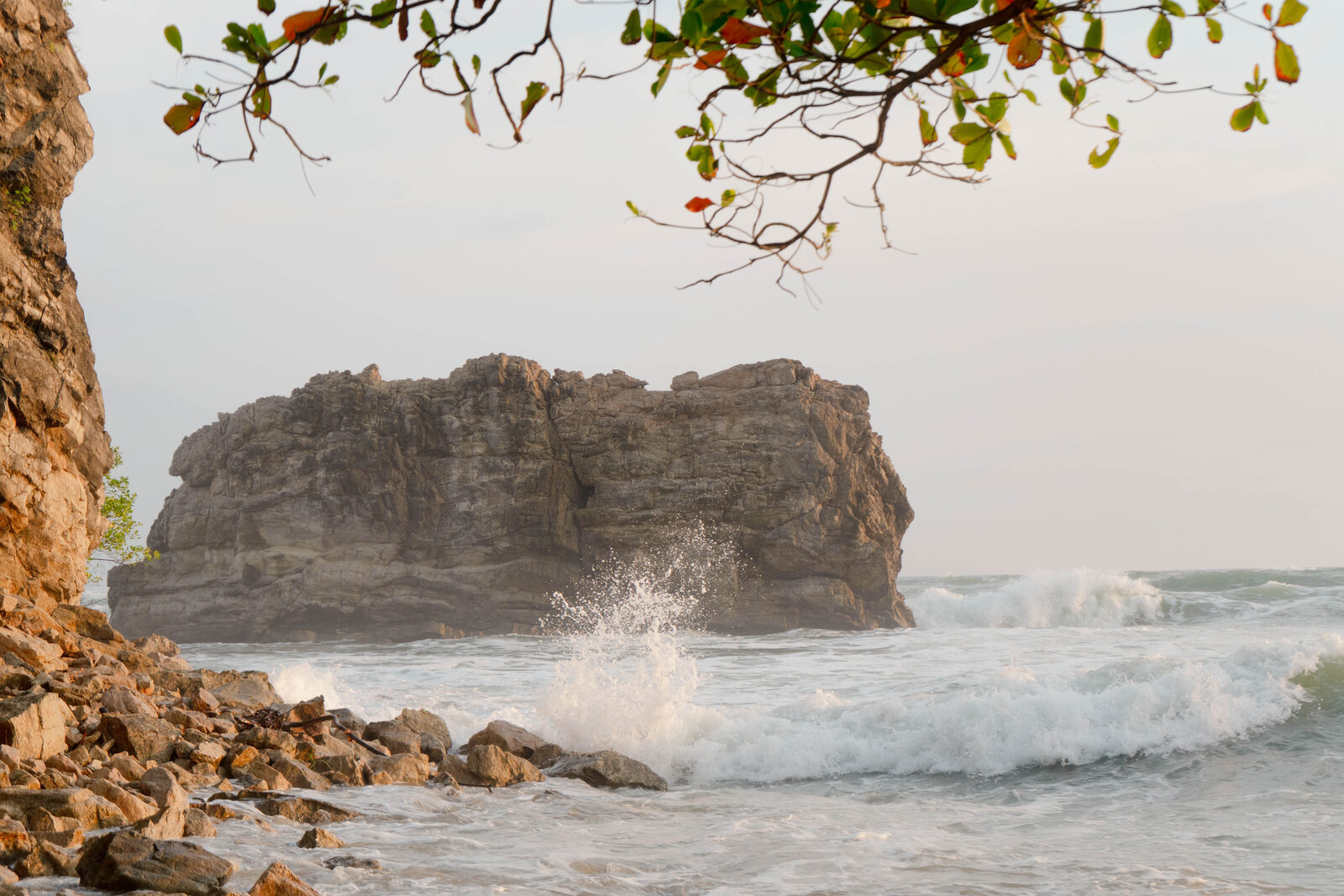
Complete Guide to Santa Teresa
Everything you need to know before visiting Santa Teresa, Costa Rica
About Santa Teresa
Santa Teresa doesn't need a publicist. Word spread organically, and for good reason: this is one of those rare places where world-class surf, a serious wellness scene, and a genuinely international crowd coexist on partly unpaved jungle roads without losing their edge. The town sits on the southern tip of the Nicoya Peninsula, technically remote (getting here requires a ferry crossing or a long drive), practically unreachable for anyone in a hurry, and completely worth it for everyone else.
The main road through Santa Teresa is part pavement, part potholed dirt, and entirely charming. It runs north to south through a loose string of beachside communities, from the fishing village of Mal País in the south through Playa Carmen (the hub, with the most restaurants and the only reliably functioning ATMs) up through Playa Santa Teresa's boutique hotels and surf breaks to quieter Playa Hermosa at the north end. Most people call the whole stretch "Santa Teresa," and most properties sit within a short walk or ATV ride of the beach.
The surfing is what put Santa Teresa on the map. Consistent beach and reef breaks with offshore morning winds that groom clean wave faces; approachable for beginners on the gentler south breaks near Mal País, serious for intermediate and advanced surfers chasing powerful lefts and rights at the main breaks. Crowds are nothing like Jacó or Manuel Antonio; you share waves with a mix of long-term expats, digital nomads, and visiting surfers who came for a week and quietly renegotiated their flights home.
But Santa Teresa has grown well beyond its surf-town roots. The yoga and wellness scene is legitimately excellent: multiple studios, international retreat centers, and visiting teachers run daily classes with Pacific views as the backdrop. Healthy cafes and açaí bowls share the main road with excellent ceviche joints and beachfront restaurants where food-obsessed expat chefs cook what they actually want to eat. At sunset, the whole town gravitates toward the beach with near-ritualistic devotion. Golden light, surfers catching final waves, and impromptu gatherings on the sand. It's unforced and genuinely beautiful.
A few honest realities to set expectations correctly: the roads need a 4x4 or high-clearance vehicle, especially in rainy season. ATMs in Playa Carmen work most days but can run dry during holiday peaks; carry backup cash. Medical facilities are limited; the nearest hospital is in Nicoya, roughly 90 minutes away. Serious grocery shopping means a 20-minute drive to Cobano's Mega Super. None of this diminishes the experience; if anything, these friction points are part of what keeps Santa Teresa from becoming overrun. The remoteness filters for people who actually want to be here.
Best For
- Intermediate to advanced surfers seeking consistent, uncrowded breaks
- Yoga and wellness travelers looking for retreat-quality studios with Pacific views
- Digital nomads and remote workers (dedicated coworking spaces, strong cafe WiFi)
- Couples and solo travelers who want bohemian energy without manufactured party-town chaos
- [object Object]
- Travelers willing to embrace some remoteness in exchange for an authentic, unpackaged experience
Getting to Santa Teresa
5.5 hours from San José (SJO) airport via the most popular route: drive 2 hours to Puntarenas, take the Naviera Tambor ferry across the Gulf of Nicoya (70 minutes), then drive 1 hour from Paquera to Santa Teresa. Ferries run approximately every 2 hours from 5:30am to 9:30pm; buy tickets in advance on QuickPay CR during peak season. Faster alternative: fly SJO to Cobano Airport on Sansa or Green Airways (30 minutes, approximately $120/person one-way), then a 25-minute shuttle to Santa Teresa. 4x4 or high-clearance vehicle strongly recommended; local roads and hillside properties demand it.
How do you get to Santa Teresa from San José airport?
The most popular route takes about 5.5 hours: drive 2 hours from SJO to Puntarenas, take the Naviera Tambor ferry across the Gulf of Nicoya (70 minutes, runs roughly every 2 hours from 5:30am), then drive 1 hour from Paquera to Santa Teresa on paved road. Buy ferry tickets in advance at QuickPay CR during peak season to guarantee your crossing time. The faster alternative is a 30-minute domestic flight: Sansa and Green Airways fly SJO to Cobano Airport for approximately $120 per person one-way, then a 25-minute shuttle to Santa Teresa. A third option (driving all the way around the Nicoya Peninsula) takes 6-7 hours but skips the ferry entirely.
What to Expect
World-class surf, bohemian village energy, and a wellness scene without equal on the Nicoya Peninsula
World-Class Surf
Consistent beach and reef breaks along a 5km coast: beginner-friendly south breaks near Mal País, powerful intermediate and advanced waves at Playa Carmen and Santa Teresa's main break. Offshore morning winds create clean, groomed faces year-round.
Yoga & Wellness Capital
Costa Rica's most concentrated wellness destination. Multiple studios offer daily classes from 6am sunrise sessions to evening yin and restorative, with international visiting teachers leading week-long retreats.
Bohemian Village Energy
Part-dirt, part-paved main road lined with surf shops, juice bars, boutique hotels, and restaurants. Genuinely international community: long-term expats, visiting nomads, and local families sharing the same strip.
Sunset Ritual
Every evening, locals and visitors migrate to the beach as the sun drops over the Pacific. It's not organized or ticketed; it just happens, and it's one of the more beautiful things this coast offers.
Wildlife-Rich Jungle
Howler monkeys at dawn, capuchin and spider monkeys in beachside trees, tropical birds, iguanas, and direct access to Cabo Blanco Absolute Nature Reserve (Costa Rica's oldest protected area).
Playa Carmen Hub
The commercial center of the stretch: best restaurant density, only ATMs, main surf schools, and the primary beach break. The meeting point of the Santa Teresa community.
Montezuma & Cabo Blanco Day Trips
Montezuma's triple-tiered waterfall and hippie market is 40 minutes south. Cabo Blanco's pristine rainforest and isolated beaches at the peninsula tip are 45 minutes away.
Digital Nomad Infrastructure
Dedicated coworking spaces, fast WiFi at most quality cafes and rentals, and a large community of remote workers who chose Santa Teresa specifically. Fully functional for extended work stays.
Insider Tips
Buy ferry tickets in advance during peak season (December-April) at QuickPay CR; early morning departures (5:30-7:30am) fill up fastest; plan for a full travel day from San José and enjoy the crossing; the Gulf of Nicoya views are genuinely stunning, and the ferry itself is large and comfortable.
Withdraw cash in Cobano or San José before heading into Santa Teresa. The ATMs in Playa Carmen work most of the time but can run dry on busy weekends and holiday weeks; local restaurants often accept cards but connection is sometimes spotty, and smaller spots are cash-only.
Rent a 4x4 or high-clearance SUV, no exceptions. Many properties sit up hillside roads that defeat a standard sedan. The main road has paved sections, but rainy season potholes are real. If your host says 4x4 required, believe them.
Things to Do in Santa Teresa
Discover the best activities and experiences during your stay
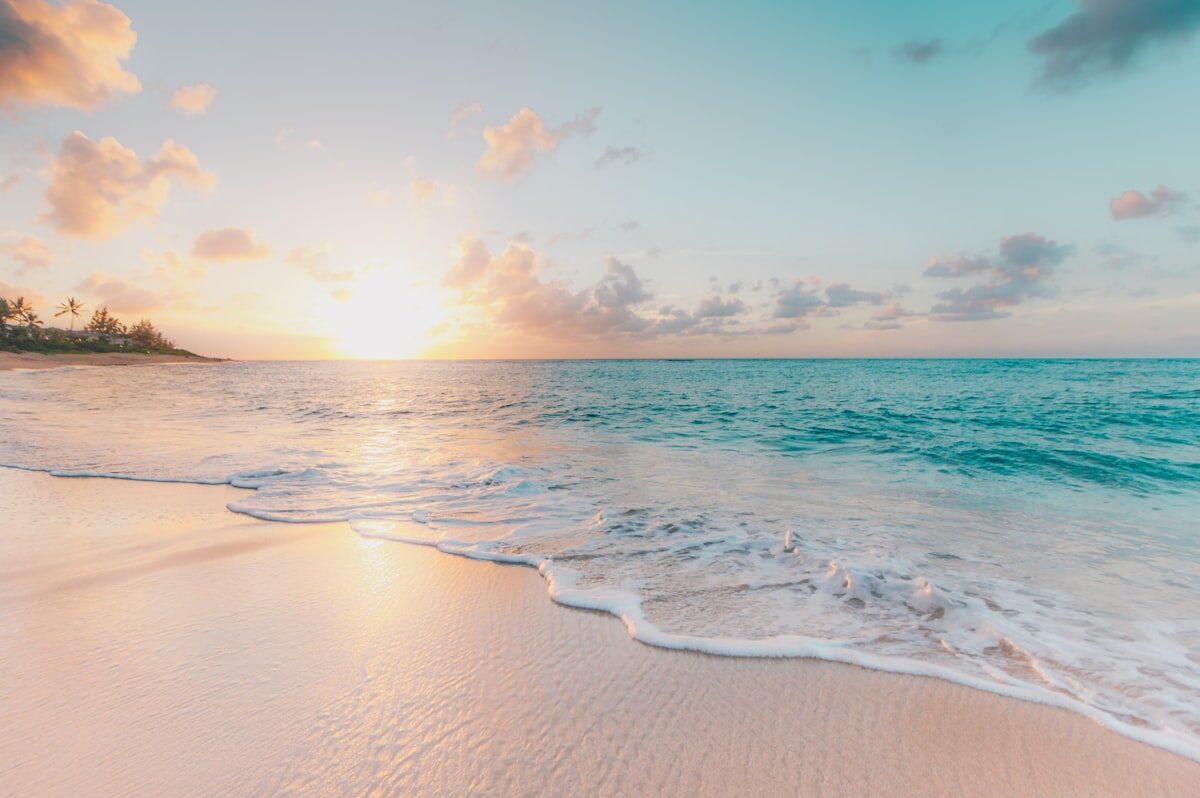
Surfing
The Central Pacific offers Costa Rica's most consistent and accessible surf, with year-round waves for every skill level...
Learn More →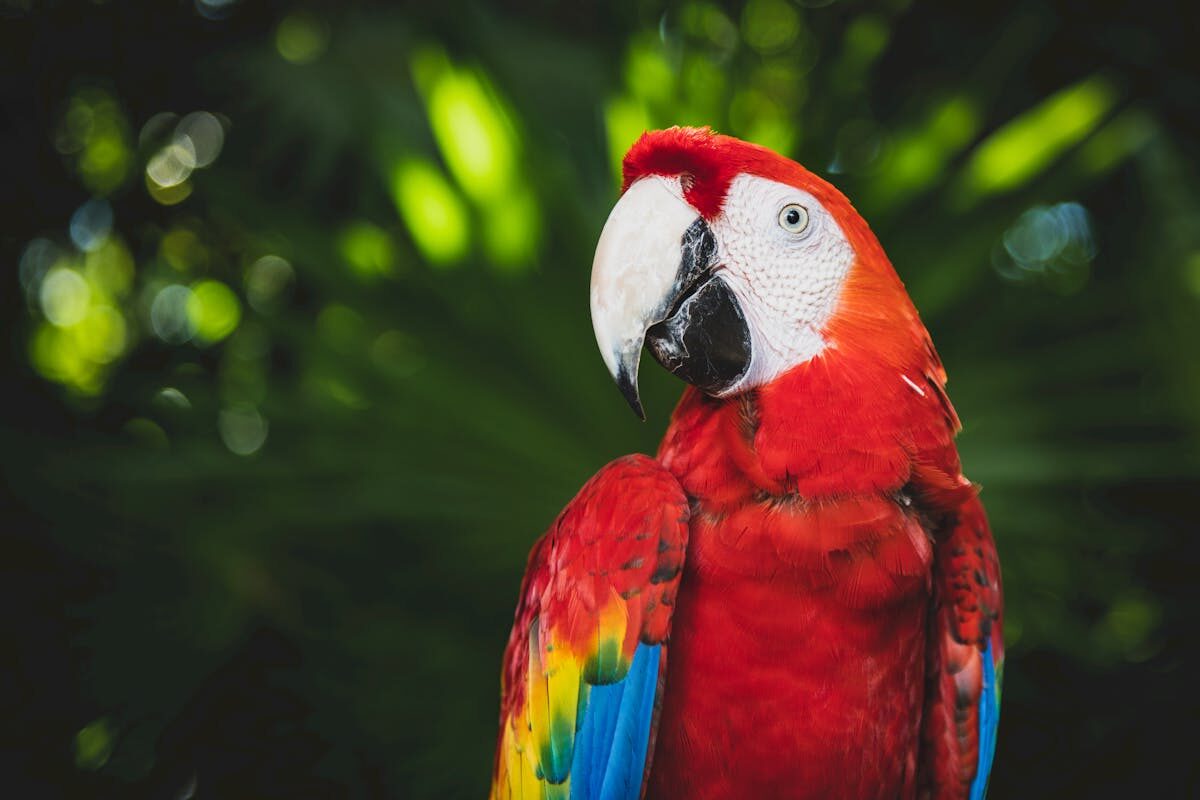
Wildlife & Nature
The Central Pacific sits in one of Costa Rica's richest biodiversity corridors, squeezed between the Pacific Ocean and t...
Learn More →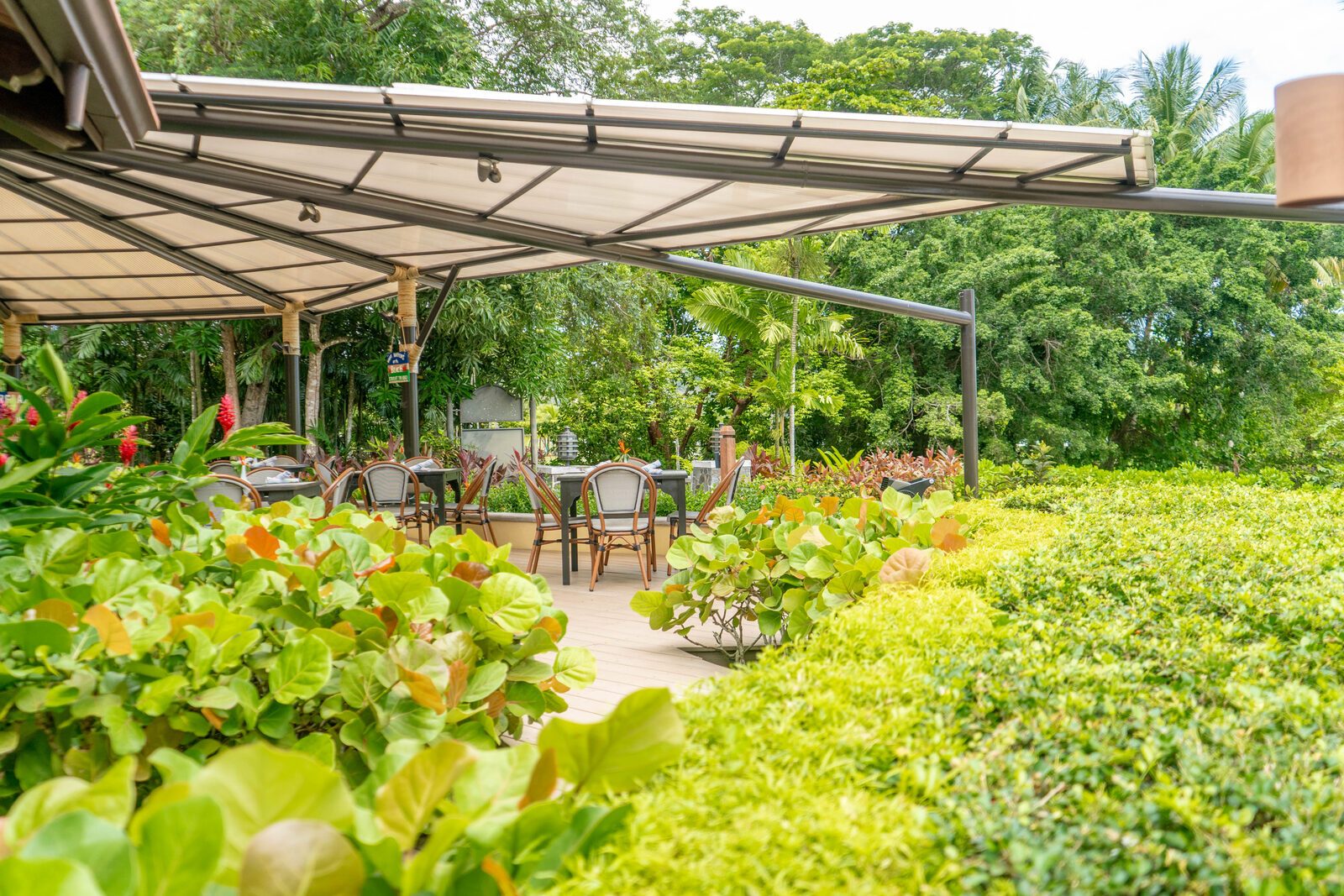
Dining & Food
The Central Pacific's food scene has evolved beyond tourist-trap mediocrity into a legitimate culinary destination. Fres...
Learn More →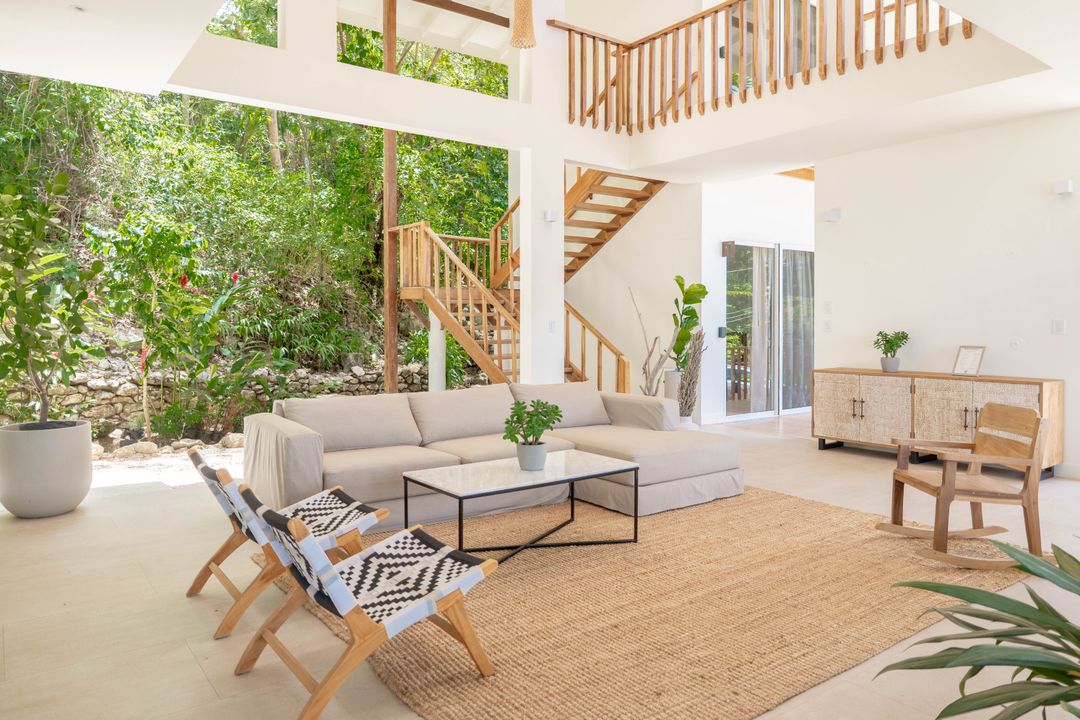
Nightlife
Jacó has the most active nightlife on Costa Rica's entire Pacific coast: a concentration of beach bars, live music venue...
Learn More →
Beaches
Each beach in the Central Pacific has its own personality and purpose. Jacó is the long, accessible, action-oriented bea...
Learn More →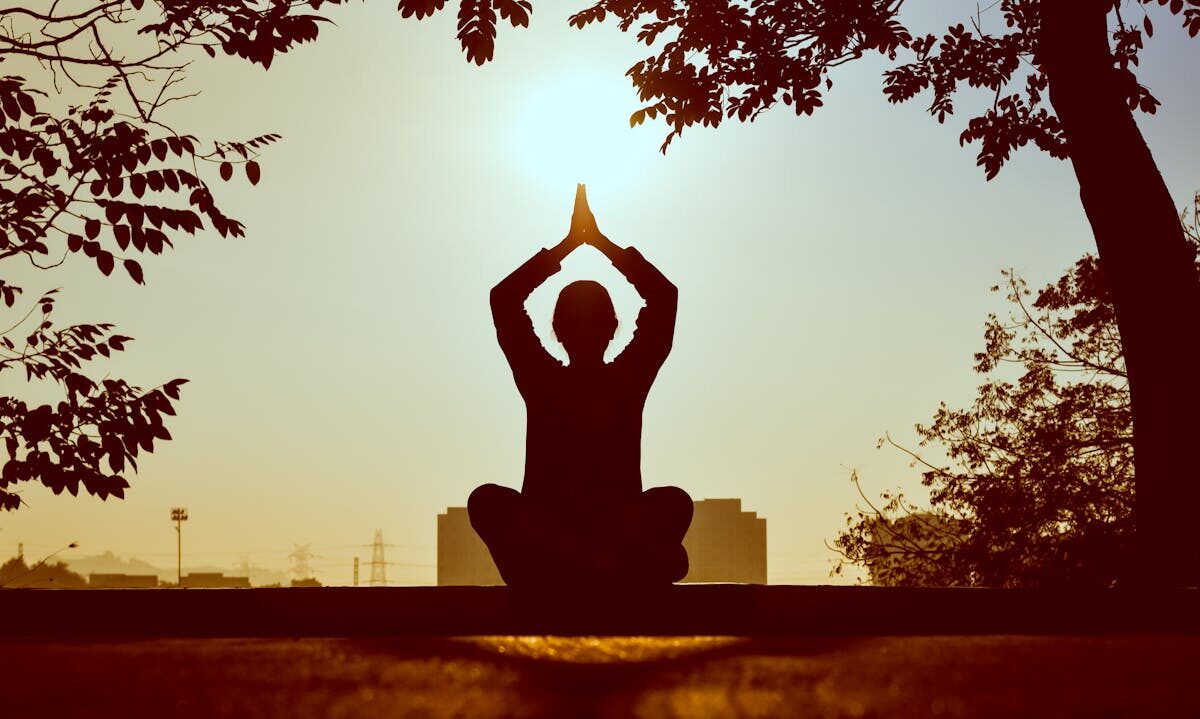
Yoga & Wellness
Santa Teresa is Costa Rica's undisputed yoga and wellness capital: a remote Nicoya Peninsula beach town that has develop...
Learn More → Practical Information
When is the best time to visit Santa Teresa?
Dry season (December-April) is peak tourist season: clear skies, calmer seas, and the town at full energy. Christmas through New Year and Easter week are the busiest periods with higher rates and minimum stays. Rainy season (May-November) brings afternoon showers (mornings usually stay dry), bigger surf swells, fewer tourists, and 20-30% lower rental rates. Shoulder months (May, June, and October) offer the best balance of good weather, manageable crowds, and real value. Advanced surfers actually prefer rainy season for the more powerful, consistent swells.
Is Santa Teresa safe for travelers?
Santa Teresa is generally very safe with low crime rates compared to larger Costa Rican cities or busier beach towns. The community is tight-knit, friendly, and well-accustomed to international visitors. Standard precautions apply: don't leave valuables in cars (break-ins do occur), use property safes, avoid walking the beach alone very late at night. The bigger practical concerns are road conditions (4x4 required), limited medical infrastructure (nearest hospital in Nicoya, 90 minutes away), and unreliable ATMs; these are infrastructure realities worth knowing, not reasons to reconsider visiting.
Are there ATMs and grocery stores in Santa Teresa?
ATMs in Playa Carmen work most days but can run out of cash during busy holiday periods; always have backup colones. For proper grocery shopping, drive 20-30 minutes north to Cobano where Mega Super and Maxi Pali offer full supermarket stocking. Santa Teresa's local pulperías cover daily essentials (water, snacks, beer, produce) but not a full week's worth of provisions. Nest Stays guests can use our pre-arrival grocery stocking service; send a list before you arrive and skip the Cobano run entirely on a travel-weary arrival day.
Where to Stay in Santa Teresa
Browse our curated selection of villas and homes and condos in Santa Teresa. Full concierge service, seamless check-in, and local expertise included.
Every Nest Stays property comes with 24/7 local support, pre-arrival grocery stocking, and insider recommendations from people who actually live here.