
Complete Guide to Jacó
Everything you need to know before visiting Jacó, Costa Rica
About Jacó
Jacó is the anti-sleepy-beach-village. This is Costa Rica's most energetic beach town: a 2.5-mile stretch of dark sand backed by a dense grid of restaurants, surf shops, cafes, bars, hotels, and the kind of organized chaos that comes when a former fishing village becomes the closest beach escape to San José. Waves roll in year-round, drawing everyone from first-time surf students to competition-level locals. The main strip (Avenida Pastor Díaz) hums with beachfront restaurants, smoothie stands, and enough nightlife to make Jacó the de facto party town of the Central Pacific.
But Jacó's appeal extends beyond surf and nightlife. The town sits at the center of the Central Pacific's best adventures: Carara National Park's scarlet macaws and crocodiles are 20 minutes south, Manuel Antonio is an hour away, and every tour operator in the region runs trips from here: zip lines, waterfall hikes, ATV jungle tours, mangrove kayaking, and catamaran sunset cruises. The dining scene punches above its weight: fresh ceviche at beachfront sodas, wood-fired pizza, farm-to-table bistros, and enough sushi restaurants to warrant a Jacó sushi crawl.
This is not a quiet, meditative beach experience. Jacó is for travelers who want options, action, and the ability to walk to dinner. Families with teens, surf groups, couples in their 30s and 40s, and anyone who gets bored sitting still for too long. The beach isn't the prettiest on the coast: it's a working surf break, not a postcard, but the town's energy and proximity to everything else makes it the most versatile base in the region.
Best For
- Surfers of all levels seeking consistent waves
- Travelers who want walkable dining and nightlife
- Families with teens and active kids
- Groups looking for tour and activity access
- First-time Costa Rica visitors wanting a central base
- Digital nomads and remote workers (good wifi, coworking spaces)
Getting to Jacó
1 hour 20 minutes from San José (SJO) airport via Route 27 (Caldera Highway). Take the Jacó exit, follow signs into town. The highway is excellent; the final approach into Jacó becomes a two-lane road through small towns. Budget extra time on Friday afternoons and Sunday evenings when Josefinos (San José locals) flood the coast.
How far is Jacó from San José airport?
Jacó is 1 hour 20 minutes (62 miles) west of San José's SJO airport via Route 27, the Caldera Highway. It's an easy, fast drive on modern toll roads ($10-12 in tolls) with dramatic views descending from the Central Valley to the Pacific coast. Private transfers cost $110-160 for up to 4 passengers; shared shuttles run $35-50 per person. Friday afternoons and Sunday evenings see heavy traffic as Josefinos (San José locals) head to and from the beach; add 30-45 minutes during those windows.
What to Expect
Costa Rica's most vibrant beach town: surf, dine, explore
Year-Round Surf
Consistent beach break with peaks for all levels. Biggest swells April-October; cleaner conditions December-March.
Walkable Restaurant Scene
50+ restaurants within a half-mile radius. Fresh seafood, wood-fired pizza, sushi, Costa Rican sodas, and farm-to-table bistros.
Central Pacific Base Camp
Launch point for every tour in the region: Carara, Manuel Antonio, waterfall hikes, zip lines, ATV tours, and catamaran cruises.
Nightlife Hub
Beachfront bars, live music venues, and late-night spots. The most active nightlife on Costa Rica's Pacific coast.
Weekly Farmers Market
Friday afternoons at Plaza Coral. Organic produce, local artisans, prepared foods, live music. The best way to meet locals and stock your kitchen.
Surf Shops & Rentals
Two dozen surf shops renting boards, offering lessons, and selling gear. Competition keeps prices reasonable.
Art Galleries & Boutiques
Growing arts scene with galleries, handmade jewelry, surf-inspired art, and Costa Rican craft shops mixed among the surf shops.
Family-Friendly Infrastructure
Supermarkets, pharmacies, medical clinics, banks, and everything else you'd need for extended stays or family trips.
Insider Tips
The north end of the beach (near the Los Sueños direction) has gentler waves and fewer crowds; better for beginners and families. The central beach in front of town gets more advanced surfers and stronger currents.
Rent boards and book surf lessons directly from instructors on the beach, not from hotel concierges. You'll pay half the price and get the same quality instruction.
Jacó's organic farmers market (Fridays 4-8pm at Plaza Coral) is one of the best on the coast. Stock your condo kitchen with fresh produce, artisan bread, and prepared foods for a fraction of restaurant prices.
Things to Do in Jacó
Discover the best activities and experiences during your stay
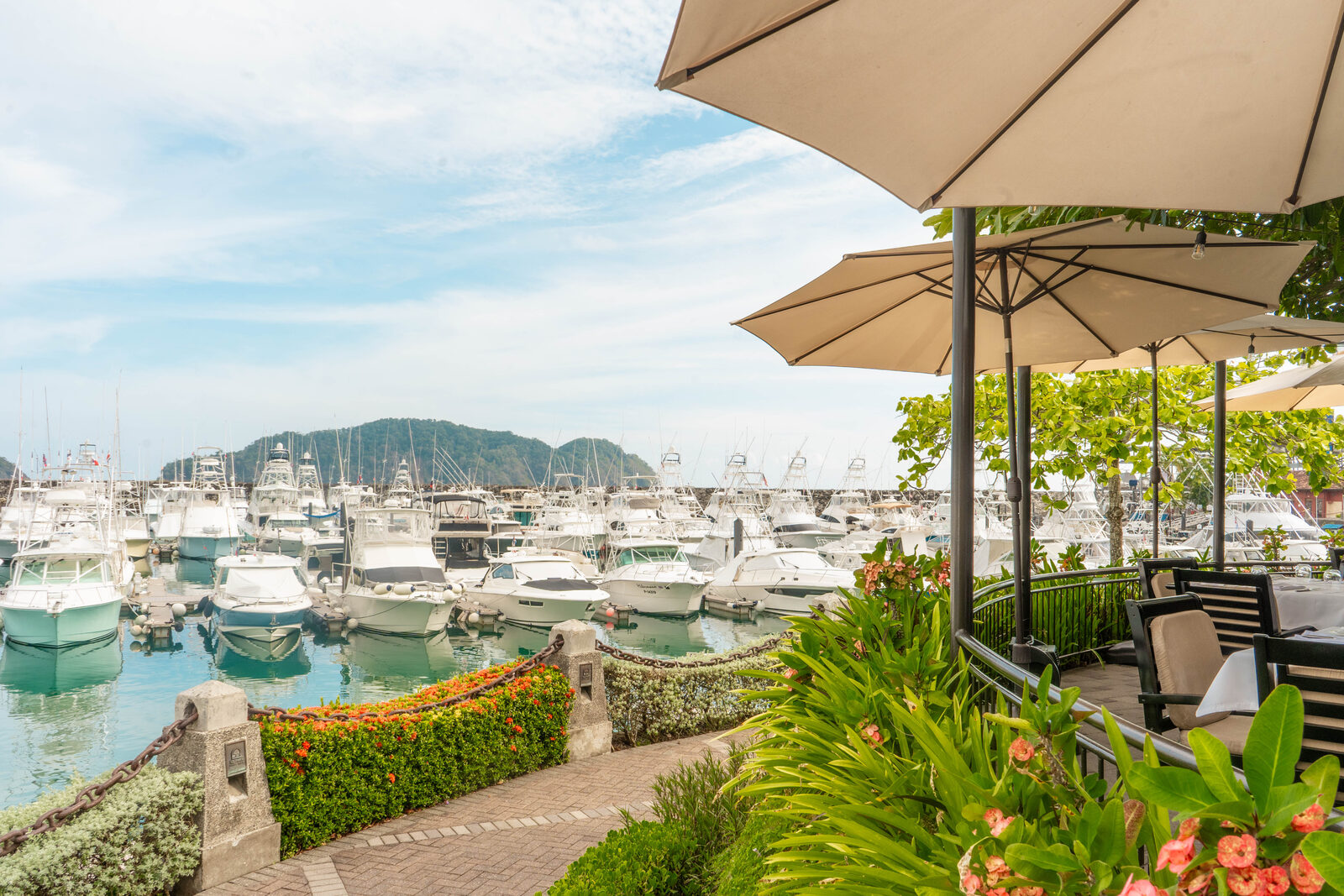
Sport Fishing
Costa Rica's sport fishing capital. Los Sueños Marina offers some of the world's best billfish waters, with sailfish and...
Learn More →
Surfing
The Central Pacific offers Costa Rica's most consistent and accessible surf, with year-round waves for every skill level...
Learn More →
Wildlife & Nature
The Central Pacific sits in one of Costa Rica's richest biodiversity corridors, squeezed between the Pacific Ocean and t...
Learn More →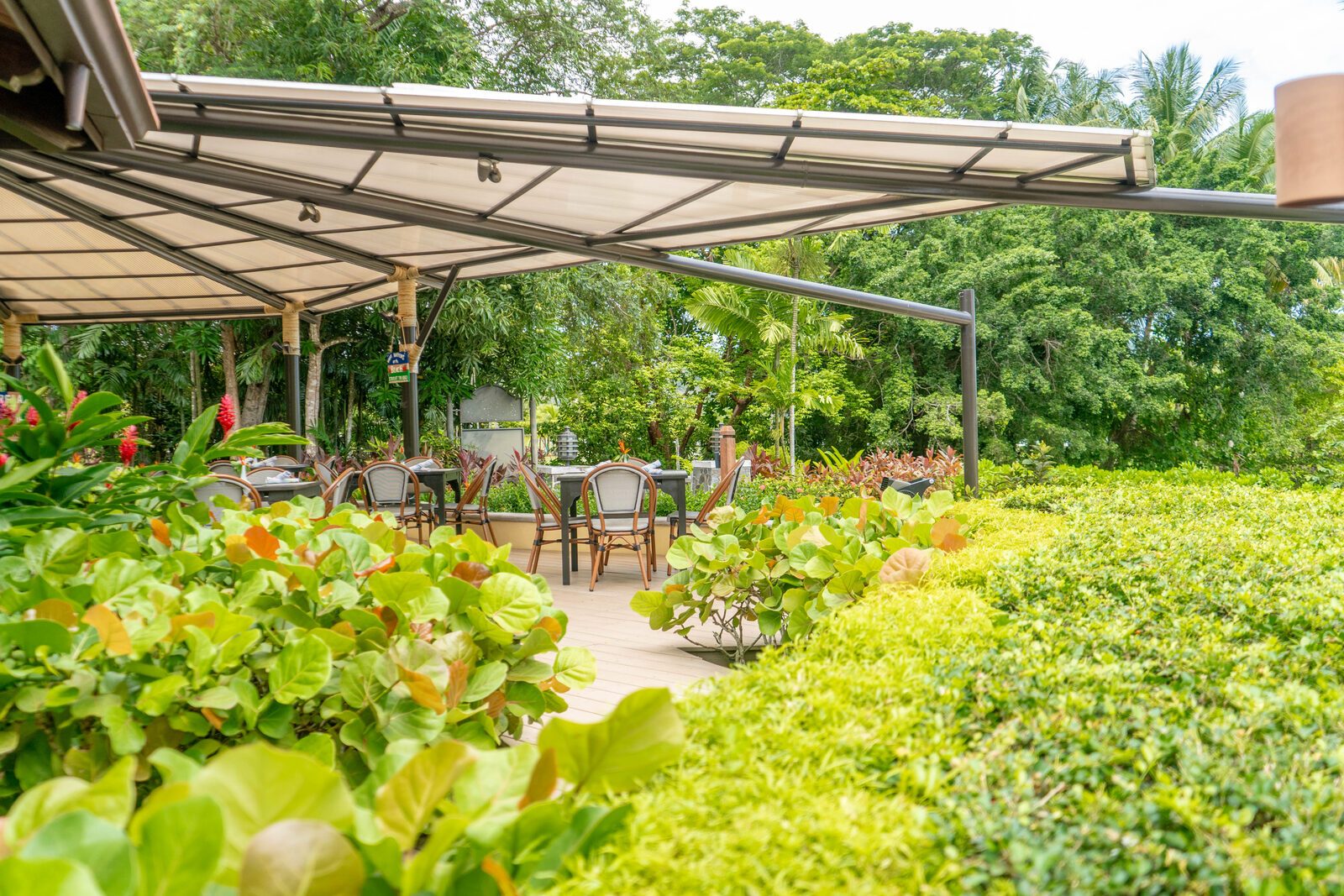
Dining & Food
The Central Pacific's food scene has evolved beyond tourist-trap mediocrity into a legitimate culinary destination. Fres...
Learn More →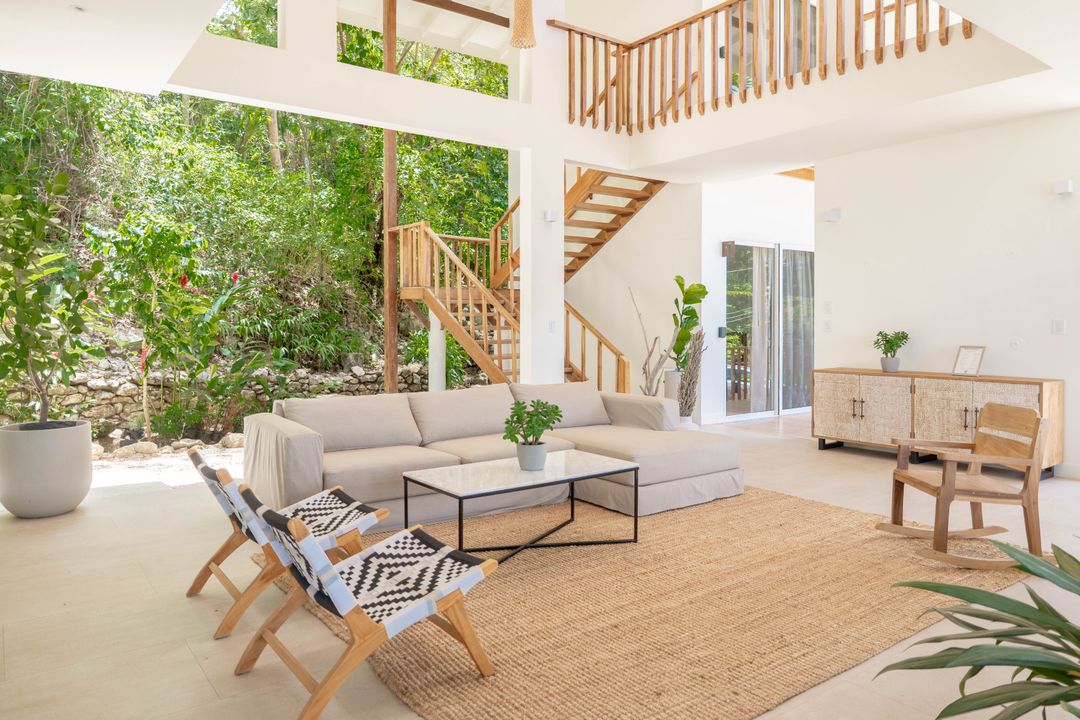
Nightlife
Jacó has the most active nightlife on Costa Rica's entire Pacific coast: a concentration of beach bars, live music venue...
Learn More → Beaches
Each beach in the Central Pacific has its own personality and purpose. Jacó is the long, accessible, action-oriented bea...
Learn More →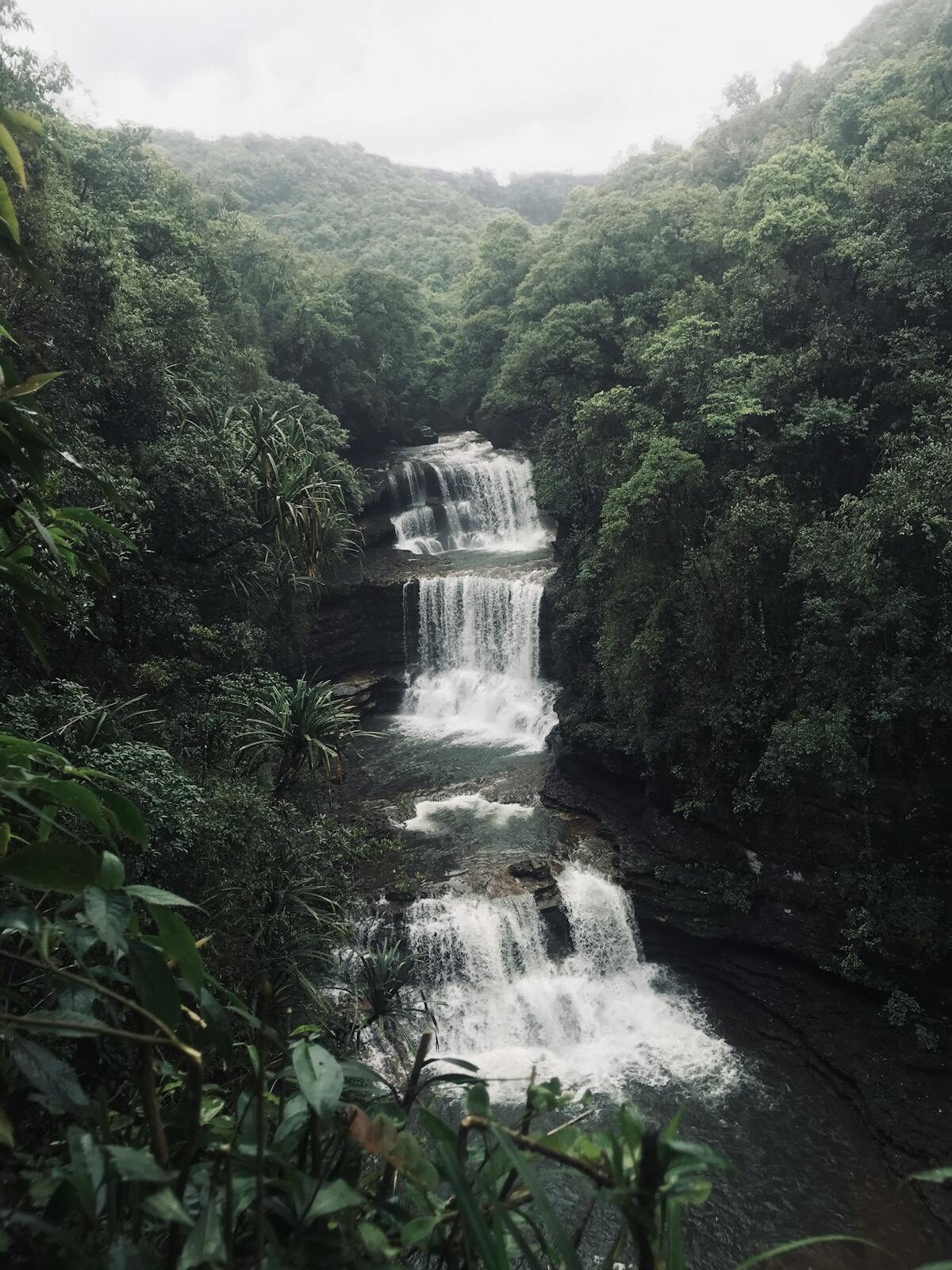
Tours & Excursions
The Central Pacific is tour-operator central, with dozens of outfitters running daily excursions to rainforests, waterfa...
Learn More → Practical Information
Is Jacó safe at night?
Jacó is generally safe but requires street smarts. The main tourist areas (Avenida Pastor Díaz, the beachfront strip, and the central restaurant/bar zone) are well-lit, crowded, and fine for walking at night. Stick to these areas after dark, travel in groups, and use taxis or Uber ($3-5 within town) rather than walking long distances. Don't flash valuables, don't wander drunk alone into dark side streets, and keep car doors locked and valuables out of sight. The southern end of town and side streets away from the beach get sketchy; avoid those after dark. Use the same caution you would in any beach town.
When is the best time to visit Jacó?
Dry season (December-April) brings guaranteed sunshine, calm mornings, and peak crowds during Christmas, New Years, and Easter weeks. This is also when surf is smaller and cleaner, ideal for beginners and families. Rainy season (May-November) brings afternoon thunderstorms (usually 1-2 hours in late afternoon), bigger surf swells, greener landscapes, and 30-40% lower rental rates. Mornings are almost always dry even in rainy season. May, June, and November are the sweet spot: fewer tourists, good weather, lower prices, and everything still operating.
Can you drink the tap water in Jacó?
Yes, Jacó's tap water is safe to drink and meets Costa Rican water quality standards, which are comparable to the U.S. Most vacation rentals have filtered water or provide bottled water for drinking. Ice in restaurants is made from purified water. If you have a sensitive stomach or prefer to be cautious, stick to bottled water (sold everywhere for $1-2). But locals and long-term expats drink tap water without issues.
How much does a vacation rental cost in Jacó?
Jacó rentals range widely depending on location, size, and amenities. Budget condos start around $80-120/night (basic, 1-2 bedrooms, in-town location). Mid-range beachfront condos with pools run $150-250/night. Luxury beachfront homes and villas with private pools, ocean views, and full concierge service go $300-600+/night. Peak season (Christmas, New Years, Easter) sees 30-50% higher rates and minimum stay requirements (5-7 nights). Rainy season and shoulder months (May, June, November) offer the best value with rates dropping 30-40% and no minimums.
Where to Stay in Jacó
Browse our curated selection of condos and homes in Jacó. Full concierge service, seamless check-in, and local expertise included.
Every Nest Stays property comes with 24/7 local support, pre-arrival grocery stocking, and insider recommendations from people who actually live here.