Tropical Climate Home Maintenance in Costa Rica: A Property Owner's Guide
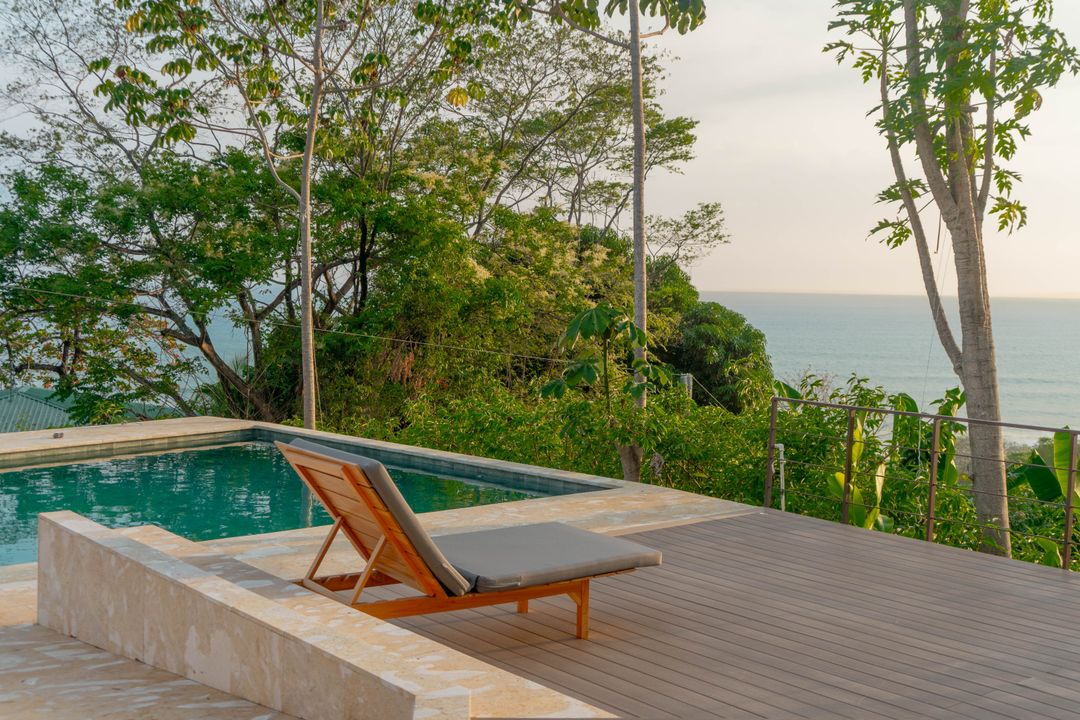
Owning a vacation rental in Costa Rica’s Central Pacific means living with humidity that never really goes away, salt air that eats through metal, months of torrential rain followed by months of punishing sun, and a local ecosystem that includes insects and creatures you probably never had to think about before. This guide covers what that actually looks like in practice for properties in and around Jaco, Los Suenos, Herradura, and Playa Hermosa.
This is not a brochure. It is what experienced property owners and managers in this region have learned through years of trial and error.
Humidity and Mold: Your Biggest Ongoing Challenge
The single biggest day-to-day challenge for coastal Costa Rica properties is humidity. The Central Pacific corridor typically sees relative humidity between 60 and 85 percent throughout the year, with the highest levels during rainy season from May through November. Jaco and Playa Hermosa, being directly on the coast, typically run more humid than Los Suenos or Herradura, which are slightly inland or elevated.
Mold grows when humidity stays above 60 percent and there is organic material for it to feed on. In practice, this means your bathroom tiles, shower curtains, closet walls, mattress seams, and anywhere with poor air circulation are potential problem spots year-round.
Daily and Weekly Habits That Matter
Mold prevention is mostly about controlling moisture in the first place. Running bathroom exhaust fans during and after every shower is the single most effective habit you can establish. Leaving bathroom doors open after use allows air to circulate and dry out surfaces faster. Running ceiling fans in guest bedrooms, even when unoccupied, keeps air moving and reduces humidity buildup.
Dehumidifiers in closets and laundry rooms make a measurable difference. A quality unit can extract 30 to 50 pints of water from the air per day in damp conditions. Place one in any closet that smells musty or shows signs of moisture on walls. Empty the reservoir every few days or connect to a drain.
For vacation rentals where the property sits empty between guests, leaving AC running on a mild setting (around 78 to 80 degrees Fahrenheit) keeps humidity controlled between stays. This costs electricity but prevents the kind of mold remediation bills that can run into thousands of dollars.
Professional Remediation: When to Call Someone
If you spot mold on a wall surface, clean it immediately with a solution of white vinegar and water (equal parts) applied with a cloth. Do not just paint over it. Mold growing on a surface means there is moisture getting into that wall from somewhere, and painting over it just traps the problem.
For mold that has penetrated drywall or grout, call a professional remediation service. In the Central Pacific region, professional mold treatment for moderate infestations typically runs $100 to $300. Extensive cases that require drywall removal and replacement can run $2,000 to $10,000 or more, which is why prevention is so much cheaper than cure.
When you renovate, use mold-resistant drywall (often labeled Greenboard or Purpleboard in hardware stores) in bathrooms and laundry areas. Anti-microbial paints can inhibit mold growth on walls for up to five years, according to manufacturers and property managers who track this.
Air Conditioning: The System That Never Gets a Break
Air conditioning in Costa Rica runs harder and longer than almost anywhere in North America or Europe. Most systems are working every day of the year, not just a few months. That kind of use burns through filters, coats coils with dust and salt, and eventually stresses compressor components.
The Filter Schedule That Saves Money
Dirty filters are the leading cause of AC problems in tropical vacation rentals. Restricted airflow causes evaporator coils to freeze, which then creates water leaks and eventually compressor failure. A compressor replacement typically runs $800 to $1,500 in the Central Pacific. Filters cost $5 to $15 each and take five minutes to replace.
Check filters every two weeks during high season (December through April) and monthly during rainy season. Replace or clean them when they look visibly dusty or grey. If you manage your property remotely, build this into your caretaker’s weekly checklist with a photo confirmation.
Professional Servicing
Beyond filter changes, schedule professional AC maintenance twice per year. The best windows are April (before rainy season humidity peaks) and November (before the dry season heat peaks). A professional will clean evaporator and condenser coils, check refrigerant levels, inspect electrical connections, and test overall performance.
In the Jaco and Playa Hermosa coastal zone, salt air settles on outdoor condenser coils and accelerates corrosion. Ask your AC technician to clean the condenser fins with a gentle coil cleaner and then rinse with fresh water as part of every service visit. Some owners near the beach install their outdoor units under a covered, ventilated enclosure to reduce direct salt exposure.
Professional AC servicing in the Central Pacific typically costs $80 to $150 per unit. If your property has more than four or five indoor units plus the outdoor condenser, budget $400 to $800 per year for professional service across the whole system.
Pest Control: The Tropical Reality
Costa Rica has extraordinary biodiversity, which includes a wide range of insects and small animals that treat your home as part of their habitat. The goal is not to eliminate all pests (unrealistic and ecologically counterproductive) but to manage them so they do not damage your property or affect guest comfort.
Termites: The Threat You Cannot See
Termites are the most serious structural pest in the region. Subterranean termites build mud tubes up foundation walls to reach wood framing, and they work slowly and silently. By the time you see physical signs, damage may already be significant.
Watch for mud tubes on the lower sections of exterior walls, hollow-sounding wood when you tap it, discarded wings near windows or doors (swarmers emerge when a colony is mature), and small piles of sawdust-like frass near wood structures.
Annual professional termite inspections run $100 to $200 in the Central Pacific region. Preventive perimeter treatment by a licensed operator typically costs $300 to $800 depending on property size, which covers full perimeter application and is more comprehensive than the basic surface spraying referenced in older regional reports. If you find an active infestation, treatment by a licensed pest control operator typically runs $800 to $2,500 depending on severity.
Ants, Cockroaches, and Geckos
Carpenter ants nest in moist or decaying wood and can cause damage similar to termites, though more slowly. Regular landscaping maintenance, keeping woodpiles elevated off the ground, and sealing gaps around doors and windows help reduce ant activity.
Cockroaches in Costa Rica are mostly an occasional presence rather than an infestation problem, except in properties with food storage issues. Proper food sealing, regular cleaning, and quarterly pest treatments keep populations manageable.
House geckos are actually beneficial. They eat mosquitoes, flies, cockroaches, and ants. They are harmless and worth tolerating inside the house. If geckos become numerous or guests find them objectionable, the solution is to reduce the insect population that attracts them rather than treating the geckos directly. Their droppings on walls can be cleaned with a mild bleach solution.
Mosquitoes
Mosquitoes are a fact of life in any tropical climate, and the Central Pacific is no exception. The best control strategy is source reduction: eliminate standing water around the property (plant saucers, blocked gutters, decorative water features). Professional pest control companies can treat perimeter areas with residual insecticides that reduce mosquito populations for several weeks at a time.
For vacation rentals, provide guests with mosquito repellent and mention in your house manual that the property is in a tropical climate where mosquitoes are present, particularly around dawn and dusk.
Salt Air Corrosion: The Coastal Property Tax
Properties within a few hundred meters of the ocean face accelerated corrosion on any metal surface. This includes door hinges and handles, gate hardware, railing fasteners, outdoor lighting fixtures, AC condenser coils, pool equipment, and carport structures.
What Corrosion Looks Like in Practice
Standard steel hardware (nuts, bolts, gate hinges) can show rust within weeks of installation in coastal areas. This is not a product defect. It is physics. Salt ions in ocean air accelerate the oxidation process dramatically compared to inland conditions.
Aluminum holds up better but still corrodes over time, appearing as white or grey oxidation on the surface. Stainless steel is the most durable option for coastal hardware, though higher grades (316 rather than 304) perform noticeably better.
A Practical Corrosion Prevention Routine
Rinse outdoor metal hardware with fresh water at least once per month, more frequently during dry season when ocean breezes are strongest. This is a simple task that takes fifteen minutes and dramatically extends the life of door hardware, gate hinges, and railings.
Use a corrosion inhibitor spray (products like WD-40 Specialist or Boeshield T-9) on hinges, bolts, and moving metal parts every three months. Apply a coat of marine-grade paste wax to stainless steel surfaces twice per year for additional protection.
Inspect all outdoor metal fixtures every three months. Replace corroded hardware before it fails completely. A rusted gate hinge failing under load is both a repair cost and a safety issue.
For AC condenser units near the coast, ask your HVAC technician about aftermarket anti-corrosion coatings applied to the coil fins. These specialty coatings (Bronz Glow, Blygold, or equivalent) create a protective barrier that extends coil life in marine environments, though they add $150 to $300 to an AC service visit.
Wood Treatment and Care in Humid Climates
Wood in a tropical humid environment faces two threats simultaneously: moisture causing swelling, warping, and decay on one hand, and termites seeking that same moisture-damaged wood on the other. Properties with exposed wood beams, decks, railings, or outdoor furniture need a proactive treatment schedule.
Sealing and Waterproofing
Apply a water-resistant wood sealant every year at the start of dry season, typically December or January. This is when the wood is driest and conditions allow the sealant to penetrate properly. Use a penetrating oil-based sealer or a film-forming deck sealer depending on your aesthetic preference. Sealing costs approximately $15 to $25 per square meter for materials if you do the work yourself, or $25 to $40 per square meter if you hire labor.
Borate-based wood treatments (such as brands targeting the contractor market) add termite resistance in addition to moisture protection. These are applied to structural wood elements and provide long-lasting protection. Ask your pest control company or building materials supplier about available products in Costa Rica.
Inspect wood decks, railings, and trim every three months for signs of splitting, warping, or soft spots that indicate moisture damage or termite activity. Catching a few rotted boards in January costs a few hundred dollars to replace. Ignoring them through a rainy season can mean structural repairs to the underlying framing.
Pool and Water System Maintenance
A pool in tropical heat requires significantly more attention than a pool in a temperate climate. Warm water accelerates chemical reactions and algae growth. Evaporation concentrates minerals and chemicals faster. Pool equipment works harder and fails sooner.
Chemical Balance in Tropical Conditions
Test your pool water chemistry two to three times per week during hot months, especially if the pool is exposed to direct sunlight for much of the day. Maintain pH between 7.4 and 7.6. Keep free chlorine between 1 and 3 parts per million. Total alkalinity should be in the 80 to 120 ppm range.
Algae is the most common tropical pool problem. It appears first as green, yellow, or mustard-colored water, then as slimy film on walls. Prevention is much easier than remediation. Keep your chlorine at the proper level, run the pump for at least eight hours per day, and brush the pool walls weekly to prevent algae from establishing a foothold.
If algae does appear, a shock treatment (double or triple the normal chlorine dose) combined with brushing and filtration usually clears it within three to five days. For severe cases, you may need to drain and refill part of the pool.
Pool Equipment in Coastal Areas
Saltwater chlorinator systems are popular in Costa Rica because they reduce the need to handle liquid chlorine. However, the salt cell corrodes faster in coastal environments. Rinse the salt cell with fresh water every month, and inspect it quarterly for scale buildup or corrosion. Salt cells typically last three to five years and cost $600 to $1,200 for replacement.
Pool pumps, filters, and heaters all have reduced lifespans in coastal areas due to salt air. Pump motors typically last three to five years. Heaters fail more frequently near the coast and cost $1,200 to $3,000 for replacement. Inspect pool equipment monthly and service it quarterly.
Professional pool service in the Central Pacific typically costs $150 to $400 per month depending on pool size and service frequency. Most owners opt for weekly or biweekly service visits rather than attempting full DIY maintenance.
Roof Inspection Schedule for Tropical Rains
The Central Pacific rainy season puts roofs through a months-long stress test. Daily heavy rainfall, high winds, and constant humidity test every seam, fastener, and flashing detail. Roof inspections are not optional in this climate.
Before Rainy Season (April Through May)
This is the most important roof inspection of the year. Before the heavy rains of September and October arrive, walk the roof or hire a professional to do a full inspection. Look for loose, cracked, or missing roof tiles. Check flashing around chimneys, vents, and any roof penetrations. Inspect the condition of sealants along ridges and edges. Clear any debris from gutters, valleys, and drainage channels.
Apply a waterproof roof sealant every two to three years for flat or metal roofs. Tile roofs need inspection and replacement of broken tiles. The cost of a professional roof inspection in the Central Pacific typically runs $100 to $200. Minor roof repairs generally cost $500 to $2,000. A full roof replacement for a 2,000-square-foot home typically runs $8,000 to $15,000 depending on materials.
After Rainy Season (October Through November)
A second inspection after the heaviest rains helps identify any leaks or damage that developed during the wet months. Look for water stains on ceiling interiors, dampness around vent openings, and any new gaps in roof elements. September and October downpours can expose weaknesses that were not apparent during lighter May rains.
After Major Storms
Any storm with high winds or unusually heavy rainfall warrants a quick roof check afterward, even if it is just a ground-level visual inspection. Flying debris, fallen branches, and wind-driven rain can damage roof elements without you noticing from inside the house.
Tropical Coastal Property Maintenance Checklist
Use this checklist as a recurring schedule for your property. Adjust frequency based on your property’s proximity to the ocean and its specific exposure.
Weekly
- Run all bathroom exhaust fans and ceiling fans
- Check for standing water or moisture accumulation in laundry rooms and closets
- Inspect pool water level and chemistry (test strips are sufficient)
- Run pool pump and check for unusual noise or pressure readings
- Visual walkthrough of exterior for visible damage
Monthly
- Replace or clean AC filters (more often in dusty dry season)
- Rinse outdoor metal hardware and door hinges with fresh water
- Inspect gutters and drainage channels for debris
- Clean pool skimmer baskets
- Check for pest activity around exterior foundations
- Inspect pool equipment for corrosion or leaks
- Test all smoke and CO detectors
Quarterly
- Full property walkthrough with photos for records
- Professional pest control inspection and perimeter treatment
- Inspect and touch up exterior caulking around windows and doors
- Borate wood treatment for exposed structural wood
- Flush and inspect water heater; check anode rod
- Inspect roof from ground level for visible damage
- Apply corrosion inhibitor spray to outdoor metal hardware
- Rinse salt cell on saltwater pool systems
Before Rainy Season (April-May)
- Full professional roof inspection
- Clear all gutters and downspouts
- Apply waterproof roof sealant if needed
- Reseal exterior caulking
- Apply preventive mold treatment to bathrooms and closets
- Service all AC units
- Test sump pumps and drainage systems
- Move fabric cushions and outdoor fabrics to covered storage
- Schedule professional pool treatment and shock
Annually
- Professional AC system servicing (both evaporator and condenser coils)
- Full exterior repaint or touch-up (every 3-5 years depending on sun exposure)
- Professional wood deck resealing
- Septic system inspection if applicable
- Solar water heater service (descaling, anode rod check)
- Review and refresh remote monitoring systems
- Update emergency contact list and contractor relationships
- Insurance policy review with your provider
The April-May Window: Why It Is the Most Important Time of Year
If you remember only one thing from this guide, remember this: the four to six weeks before rainy season is the most consequential maintenance period for your Costa Rica property.
In the Central Pacific, rainy season typically starts in earnest in late April or early May, building through June and peaking in September and October. A roof leak that goes undetected in April will show up as a stained ceiling in July, by which point you are already dealing with months of water damage, possible mold in the wall cavity, and possibly damaged insulation or structural elements.
That same leak repaired in April costs $300 to $800. The water damage remediation that results from ignoring it can cost $5,000 to $15,000.
The prep work does not take long if you do it systematically. Book your roof inspector early. Do not wait until May. Every other property owner in the region is thinking the same thing and the reliable contractors fill up fast.
A Note on Professional Help
The maintenance challenges described in this guide are real, recurring, and solvable. They require consistent attention and relationships with reliable local professionals. Attempting to manage everything yourself from overseas is possible only if you have a trusted caretaker on the ground and a property manager who treats your home as seriously as you do.
For more on managing your Costa Rica property remotely, see our guide to managing your property from abroad. For an overview of the complete owner resources we offer, visit our property care hub.
Disclaimer: This guide provides general information for property owners in Costa Rica’s Central Pacific region. Specific products, costs, and maintenance schedules referenced are based on general market observations as of early 2026 and may vary. Always consult licensed local contractors and qualified professionals before undertaking major repairs or maintenance work. Nest Stays is not a licensed contractor, pest control provider, or engineering firm. Costs referenced represent typical ranges reported by property owners and managers in the region and should be used as planning estimates only.
Frequently Asked Questions
How does Costa Rica's humidity affect my vacation rental property?
Humidity across Costa Rica generally ranges from 40 to 85 percent depending on season and elevation. In the Central Pacific coastal areas around Jaco, Los Suenos, and Herradura, it stays between 60 and 85 percent year-round, rarely dropping below that window even during the dry season. This creates constant pressure for mold growth on walls and ceilings, warping in wood fixtures, accelerated corrosion on metal hardware, and reduced effectiveness of electronics. The solution is ongoing dehumidification, cross-ventilation, preventive cleaning routines, and using mold-resistant building materials during any renovation.
How often should I service my air conditioning unit in tropical Costa Rica?
In Costa Rica’s climate, clean or replace AC filters every one to two months during peak use periods. Schedule professional HVAC servicing at least twice per year, ideally once before rainy season (April-May) and once before peak dry season heat (November-December). Coastal properties near Jaco and Los Suenos should consider professional coil cleaning more frequently due to salt air, which accelerates corrosion on condenser fins and evaporator coils. Annual professional service typically costs $80-$150 per unit in the Central Pacific region.
What pests should I watch for in my tropical coastal Costa Rica home?
The most persistent pests in the Central Pacific coastal zone are subterranean termites (which can cause significant structural damage within months), carpenter ants, cockroaches, mosquitoes, and house geckos. Geckos are actually beneficial since they eat insects, but ants and termites require professional treatment. Schedule quarterly professional pest inspections, and ask your provider about preventive perimeter treatments appropriate for coastal environments. Monthly pest control visits typically cost $30-$60 in the region.
How do I prevent salt air corrosion on my coastal property?
Salt air accelerates corrosion on metal doors, railings, outdoor furniture, AC condenser coils, and pool equipment. Rinse outdoor metal surfaces with fresh water monthly, especially after storms or heavy ocean breezes. Use stainless steel, powder-coated, or anodized aluminum for outdoor hardware rather than standard steel. For AC units near the coast, consider aftermarket anti-corrosion coatings such as Bronz Glow or Blygold on the condenser coils. Inspect door hinges, gate hardware, and railing fasteners every three months for rust and replace as needed.
What is the most important seasonal maintenance task for Costa Rica properties?
The April-May window before rainy season is the most critical maintenance period for Central Pacific properties. This is when you should complete a full roof inspection and repair, clear all gutters and downspouts, check and reseal exterior caulking around windows and doors, apply preventive mold treatments to bathrooms and closets, service AC units, and test sump or drainage pumps. Properties that skip this preparation routinely suffer water intrusion damage in September and October that costs five to ten times more than the preventive work would have.
How do I maintain a swimming pool in tropical heat and humidity?
Tropical pool maintenance requires more frequent chemical testing and adjustment than temperate climates. Test water chemistry two to three times per week during hot months. Maintain pH between 7.4 and 7.6 and chlorine between 1 and 3 ppm. Brush pool walls and vacuum weekly to prevent algae, which proliferates in warm water. Pool service in the Central Pacific typically runs $150-$400 per month depending on pool size. Saltwater systems need monthly rinsing of the salt cell with fresh water near the coast, and salt cells typically require replacement every three to five years.
How often should I treat or seal wood surfaces on my Costa Rica property?
Apply water-resistant wood sealant to decks, railings, and exposed wood structures annually, typically at the start of dry season (December-January). Use a borate-based wood treatment for structural elements as a preventive barrier against both moisture and termites. Inspect wood surfaces quarterly for signs of warping, splitting, or termite activity. Exterior wood trim and deck boards near the coast typically need resealing every 12-18 months due to accelerated UV and salt exposure compared to inland properties.
Ready to Experience Tropical Climate Home Maintenance in Costa Rica: A Property Owner's Guide?
Book your Costa Rica vacation rental with Nest Stays and make this your base for it all.