Santa Teresa Surf Guide: Breaks, Seasons & Everything You Need to Know
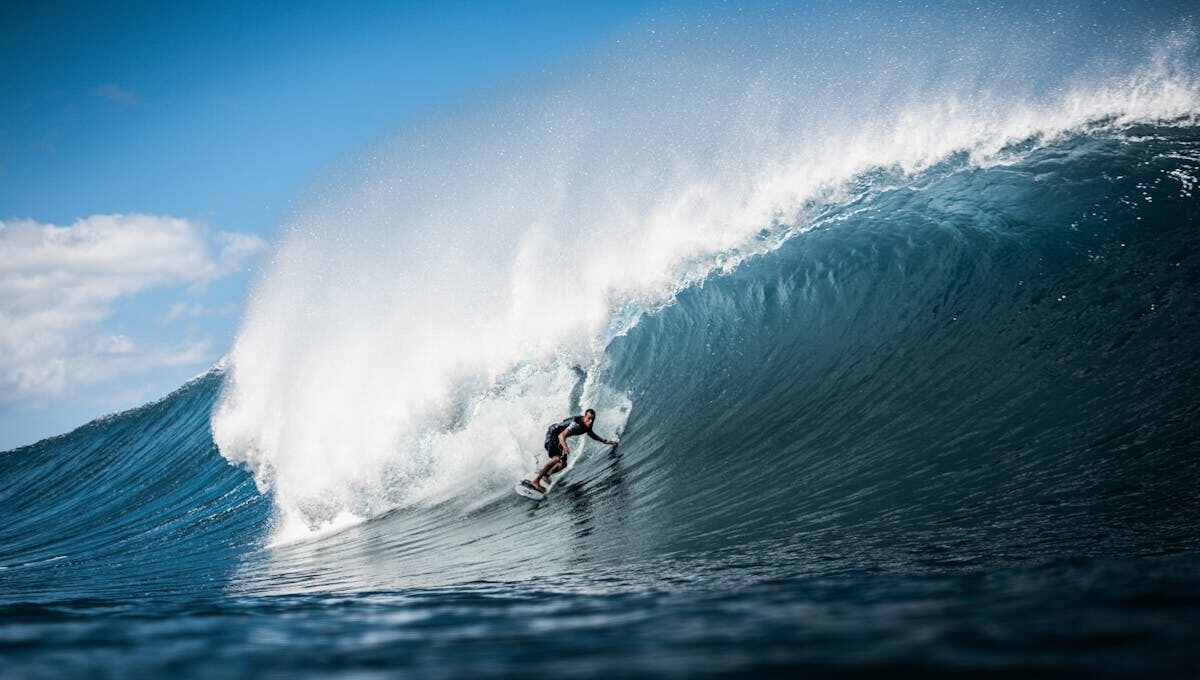
The first thing you’ll notice when you pull into Santa Teresa: after the red-dirt road and the dust cloud behind your rental 4x4: is that a lot of the cars have surfboard racks. Not as an accessory. As a necessity.
Surfing isn’t a selling point here. It’s the reason the town exists. Santa Teresa sits on the southern tip of the Nicoya Peninsula, facing southwest into open Pacific Ocean, catching swells that have traveled thousands of miles with nothing between them and this beach. The combination of exposed coast, consistent swell window, and warm water year-round has been pulling surfers from Brazil, Israel, Germany, Japan, and everywhere else since the late 1990s, and the town’s reputation has only grown since.
What makes Santa Teresa different from Costa Rica’s other surf destinations isn’t one thing. It’s the range. Within a 10-kilometer stretch, you can find gentle beach breaks where a complete beginner will be on their feet by lesson three, a consistent intermediate section that’ll keep you busy for a week, and serious point and reef breaks that elite surfers specifically travel to. You don’t need to choose a spot and commit. You choose based on what you need that day.
This guide covers all of it: every break, the seasonal patterns that determine when to go, where to rent gear, what lessons cost, and how to actually get to one of the more remote beach towns in Costa Rica. If you’re comparing destinations, our Santa Teresa area guide and surfing overview can help you decide.
The Breaks
The surf zone stretches from Mal País in the south, through Playa Carmen at the crossroads, and north into Santa Teresa proper and Playa Hermosa: a 10-kilometer run that covers nearly every skill level in sequence. They share the same coastline but behave differently. Here’s what to expect at each.
Playa Carmen: Beginners and Longboarders
Playa Carmen is where the main road hits the beach, and it’s the most forgiving section of the entire stretch. The seafloor slopes gradually, creating slow, open waves that don’t jack up suddenly or close out without warning. Multiple sandbars spread the peaks across the beach, so on most days you can find space without fighting for it.
Wave type: Beach break. Lefts and rights depending on sandbar position. Long, open faces that break slowly.
Skill level: Beginner to intermediate. This is where every surf school in the area runs group lessons, and for good reason, the margin for error is wider than anywhere else in the zone.
Best tide: Works across tides, but mid-tide tends to give the best shape. Lower tide can expose some rocky sections near the middle of the beach; ask locals before you paddle in if you’re unsure.
Crowd factor: The busiest break in the area, especially during dry season. Mornings are manageable; by 10 AM on a weekend in January you’ll be sharing peaks with surf school quads and independent surfers. Go early.
One thing worth knowing: the rip currents at Playa Carmen are actually part of what keeps the waves manageable: they pull water offshore through channels that create calmer pockets. But they’re still rip currents. Any surf instructor here will cover ocean safety on day one, and you should listen to that 10-minute talk even if you think you already know it.
Playa Santa Teresa. The Main Event
North of Playa Carmen, the waves pick up. The same swell that produces knee-high rollers at Carmen hits this section of beach with more power, the bottom configuration changes, the peaks get steeper, and the waves start to have real shape.
This is the section that made Santa Teresa famous. Surfers who come specifically for the waves base themselves here. When the swell is running 4 to 7 feet (which is often), the peaks here are exactly what you want: lefts and rights that give you wall to work with, hollow on a good tide, and consistent enough that you’re not sitting and waiting.
Wave type: Beach break. Lefts and rights. Favors lower tides for the best shape, the wave face gets steeper and hollower as the water drops. At higher tide it can back off and become more forgiving, which is useful if you want to practice maneuvers without the consequences.
Skill level: Intermediate and up. You can manage here as a confident beginner on smaller days, but this isn’t the place to learn your pop-up. The wave moves faster and closes out more than Carmen. If you’re not sure which section is right for you, ask whoever rented you the board.
Best tide: Lower half of the tide cycle for shape. Mid-tide is also good. High tide can flatten things out.
Crowd factor: Busy but spread across multiple peaks. You’ll share the water with local surfers who’ve been riding this break for years: respect the lineup etiquette, don’t snake, and earn your waves. On smaller days the crowd is more welcoming; on solid 6-foot swells, the experienced surfers naturally filter toward the better peaks.
The wave works best on southwest and northwest swells: southwest in particular creates nice left-handers. North swells also push through periodically and can light this section up. It can hold up to 8 feet of swell before things start closing out. In October and November, the biggest south swells of the year can max out this section, but strong surfers still find waves.
Playa Hermosa (Nicoya Peninsula): Less Crowded, Underrated
This is not the Playa Hermosa near Jacó. This one sits a few kilometers north of Santa Teresa proper, quieter and less developed. It rarely gets as crowded as the main strip, partly because it takes longer to reach, partly because it’s not directly in front of a commercial area.
Wave type: Beach break across most of the beach, with a point break to the north that works on the right swell and tide combination. The beach break is similar in character to Santa Teresa proper but generally a bit more open and forgiving.
Skill level: Intermediate. Less intimidating than the main Santa Teresa section on big days, but not as forgiving as Playa Carmen. A good option when you want to surf without the crowd and don’t need to be in the most powerful section.
Best tide: Mid-tide. The point break to the north is worth exploring when the swell is running and the tide is in the right window: ask at a local surf shop for current conditions.
Crowd factor: Low to moderate. You might have peaks to yourself on weekday mornings. The lack of surf school traffic here is a feature, not a bug, if you’ve progressed past the beginner stage.
Mal País. Where It Gets Serious
The road ends at Mal País, and so does any pretense of the waves being user-friendly. The reef and point breaks here, including the notorious Suck Rock: produce fast, hollow, consequence-laden waves that experienced surfers travel to Costa Rica specifically to surf. When it’s working, it’s among the best surf in the country.
Wave type: Point and reef breaks. Suck Rock is a powerful right-hander that breaks over a rocky bottom and can get seriously heavy on big swells. Mar Azul is a sheltered left-hand point break a short distance south: quieter, fewer people, and what the regulars call a “soul surfer” spot. The area holds swell up to very large sizes.
Skill level: Suck Rock is expert-only, the bottom is unforgiving, the waves are fast, and the drops can be steep. Mar Azul is a step down: confident intermediate surfers handle it fine, and on smaller days it’s an excellent escape from the crowds further north. Visit and watch Suck Rock before you paddle out; it will tell you everything you need to know about whether you’re ready.
Best tide: Varies by specific spot. Suck Rock performs on particular swell and tide combinations: ask a local surf guide or shop for the current window.
Crowd factor: Lower than the main strip, which tells you something about the access barrier. Mal País is a smaller, quieter community than Playa Carmen, and the breaks here attract a self-selecting crowd who know what they’re doing.
When to Go: Seasons and Swells
Santa Teresa gets surf every month of the year. What changes is the size, the consistency, and the quality of conditions. The two seasons matter.
Dry Season: December Through April
The dry season is when Santa Teresa is most accessible and when the conditions are most predictable. Offshore winds (the wind blowing from land toward the ocean) groom the wave face in the mornings. That northeast wind direction is exactly what you want: it smooths out the surface and creates the clean, glassy conditions you see in every surf photo.
Swells typically run 3 to 6 feet, consistent enough to surf every day. This is the window beginners should book around. The conditions are manageable, the surf schools are fully staffed, and a week of twice-daily sessions in January or February will make a real surfer out of someone who’s never stood on a board.
The tradeoff: peak tourist season means fuller lineups and higher prices. Christmas and Semana Santa (Easter week) are when the beach gets as crowded as it ever gets. If you’re coming in December through April, book your rental and secure your ferry slot months ahead.
Rainy Season: May Through November
The rainy season transforms the surf. Swells get bigger: long-period energy from storms tracking across the southern Pacific, sometimes producing overhead to well-overhead surf at Santa Teresa and serious size at Mal País. October and November are the peak of the big-swell season; the strong surfers come specifically for this window.
The conditions are less pristine. Onshore afternoon winds chop up the surface after midday, the morning sessions are the ones to chase. Come out at dawn, surf until 10 AM, and let the wind do whatever it wants in the afternoon. The payoff is real: chest-to-head-high surf on uncrowded peaks, with a Tuesday morning set wave that you’re riding completely alone.
Rain is tropical rain: usually a proper downpour in the afternoon, typically clearing by evening. The mornings can be spectacular. Prices drop 30–40% and the social energy of the town shifts to something closer to what Santa Teresa was before it got famous.
Water temperature is roughly 80°F year-round. You don’t need a wetsuit. A rash guard for sun protection is smart for long sessions; otherwise boardshorts or a bikini will do.
Board Rentals
There are multiple surf shops on the main strip, and most will rent you a board by the day or week. Prices range by board type.
Nalu Surf Shop (main strip, Santa Teresa) runs one of the largest rental inventories in town, with boards across every level: softops and basic shortboards at the low end, premium shapes from Channel Islands, Firewire, and Hayden Shapes at the top. Rental rates on their website range from approximately $12/day for basic boards to $25/day for premium fiberglass, with weekly rates for most boards. Note that weekly rates are suspended between December 15 and January 15 during peak season. They also rent bodyboards with swim fins. Prices are subject to change: confirm current rates when you arrive or check nalusurfschool.com.
Santa Teresa Surf School rents boards starting at $25 per session or day, with three-day packages at $55 and five-day packages at $80: better value than daily rates if you’re staying a week and want consistent gear.
Most shops will match you to the right board for current conditions if you tell them your experience level and the waves you’re planning to surf. Don’t show up to Playa Carmen on a 7-foot longboard on a small day and wonder why you’re not making progress, the people renting you the board have seen this before and will steer you right.
A practical note: arrive early in dry season. The rental inventory gets depleted on busy mornings. If you’re planning a dawn session, call ahead or stop by the evening before to reserve your board.
Surf Lessons
Every level of instruction is available in Santa Teresa, from complete-beginner group sessions to private coaching with a local instructor who’s been in the water here for two decades.
Santa Teresa Surf School (surfingsantateresa.net) runs structured programs at Playa Carmen with certified instructors. Group lessons max out at six students per instructor and run around $60 per session. Semi-private lessons (max two students per instructor) start at $79. Private one-on-one lessons start at $80. Multi-day packages start at $249 for three private sessions plus board rentals and surf photos: good value if you’re committed to improving over a week. Hotel pickup and drop-off are available for private clients.
Nalu Surf School has been operating in Santa Teresa for years and offers lessons, guided surf tours to the better breaks in the area, and SUP instruction: useful if you want to explore breaks beyond the main strip with someone who knows the tides and sandbars.
Blue Mystic Surf School and Blue Surf Sanctuary both operate on the main strip with certified instructors and beginner-to-intermediate programs. Blue Surf Sanctuary specifically covers ocean awareness and safety as part of their curriculum, which is worth looking for in any school you book with.
What to expect from a first lesson: two hours, group of four to six people, soft-top board provided, and instruction that covers paddling mechanics, the pop-up, wave selection, and ocean safety before you ever get wet. Most instructors run beginner lessons at Playa Carmen for the obvious reasons, the waves are appropriate and there’s enough room for a group. By the end of the session, most people have ridden several unbroken waves to shore. By the third lesson, most people are picking their own waves.
Private instruction is worth the premium if you’ve already learned the basics and want to accelerate past them. A good private coach will identify the specific mechanical issues holding you back, take you to the break that matches your current level, and push you into waves you wouldn’t paddle into alone. The difference between a week of solo surfing and a week with two or three private sessions is measurable.
Getting to Santa Teresa
Santa Teresa is remote. This isn’t marketing language. It’s a practical fact that affects how you plan your trip.
By road + ferry (5–6 hours from San José): This is the most common route. Drive Route 27 from San José toward Puntarenas (about 90 minutes), then take the Naviera Tambor ferry from Puntarenas to Paquera. Critical: take the ferry to Paquera, not Naranjo. Both ferries leave from the same dock; Naranjo goes to a different part of the peninsula. The crossing is 70 minutes. Car with driver is $24 USD one way. From Paquera, it’s 53 kilometers south to Santa Teresa: about an hour on roads that are partly paved, partly not.
In high season (December through April), book your car spot on the ferry online at navieratambor.com in advance. The popular morning ferries fill up. Missing your slot extends your travel day by hours.
By domestic flight (shortest route): Sansa Airlines flies from San José’s main airport to Tambor, about 30–40 minutes in the air. Fares run approximately $80–130 one way depending on timing. Luggage limits are strict: standard fares allow around 30 lbs checked baggage and 10 lbs carry-on. Pack light: a 7-day surf trip fits in a single duffel if you’re not bringing your own boards. From Tambor Airport, it’s a 45-minute drive south to Santa Teresa. You’ll need to arrange a transfer or rent locally; vehicles at Tambor are limited compared to SJO.
By car all the way (6+ hours): There’s a land route that avoids the ferry by going south around the peninsula. It’s slower and the roads in the final stretch are rougher. Most people don’t choose this.
Vehicle: You need a 4x4 in Santa Teresa. The main road through town is unpaved. Parts flood in rainy season. Do not book a 2-wheel-drive compact and assume the road reports are exaggerated. They’re not.
The Town After the Session
Surfing twice a day leaves several hours to fill. Santa Teresa has opinions about what to do with them.
The food scene is international and better than the remote location should allow. Manzú at Hotel Nantipa is the most elevated dining option: fresh ingredients, elevated Costa Rican cooking, ocean view from the restaurant, and prices to match ($30–40/person). Go once for a proper dinner.
For everything else: El Patio Café for breakfast (the Gaston sandwich has a following), Zula for Israeli food that will make you wonder why there are so many Israeli restaurants at the end of a Costa Rican dirt road (there’s a reason, the surf, the community, the vibe), and Katana for Asian fusion when you want something unexpected. Banana Beach is the beach bar for sunset cocktails and watching the afternoon waves from land.
The rhythm of Santa Teresa self-selects for people who don’t need to be entertained. You surf in the morning, eat a serious breakfast, rest through the midday heat, maybe paddle out again for the late afternoon window before the wind switches, eat dinner late, and do it again tomorrow. This is not a criticism. People describe weeks here as the most genuinely restorative trips they’ve taken.
The yoga scene is real and surprisingly deep for a town this remote: multiple studios, retreat centers, and individual teachers including Pranamar Villas (beachfront shala, literally feet from the sand) and Horizon Yoga Center (hillside above town, Sivananda tradition, been there since the early 2000s). Drop-in classes are $15–20. If you want to surf in the morning and spend the afternoon in a yoga class, you’re in the right place.
After your first day, you’ll understand why the people with the surfboard racks on their cars don’t seem to be in any hurry to leave.
Frequently Asked Questions
Is Santa Teresa good for beginner surfers?
Yes, specifically at Playa Carmen, which is where every surf school in the area runs beginner lessons. The waves there are slow, long, and forgiving. The bigger risk for beginners is rip currents, which are present on this coastline and worth taking seriously. Book a lesson for your first session regardless of how confident you feel in the water; the instructors will cover the ocean safety information you actually need, and you’ll progress faster with coaching than going it alone.
What's the best time of year to surf Santa Teresa?
For clean conditions and beginner-friendly waves, December through April. Offshore morning winds groom the wave face, swells are consistent at 3–6 feet, and the conditions are the most predictable of the year. For bigger, more powerful surf on less crowded breaks, May through November, particularly October and November when the large south swells arrive. The catch in rainy season is that afternoons get onshore wind; the sessions to chase are before 10 AM.
Do I need a wetsuit in Santa Teresa?
No. Water temperature stays around 80°F year-round. Most surfers wear boardshorts or a bikini. A rash guard is worth bringing for UV protection on long morning sessions, the tropical sun at this latitude is strong even on overcast days.
How do I get to Santa Teresa?
The main route is a drive from San José to Puntarenas (90 minutes), then the Naviera Tambor ferry to Paquera (70-minute crossing), then a 53-kilometer drive south. Total: 5–6 hours. Alternatively, fly Sansa from San José to Tambor (30–40 minutes in the air) and arrange a transfer or local rental car from there. Either way, you need a 4x4 for the roads in and around Santa Teresa. Book ferry car spots in advance during peak season, the popular morning ferries fill up.
Ready to Experience Santa Teresa Surf Guide: Breaks, Seasons & Everything You Need to Know?
Book your Costa Rica vacation rental with Nest Stays and make this your base for it all.