Playa Hermosa Costa Rica: Surf Reserve, Turtle Nests & the Beach Costa Rica Doesn't Advertise
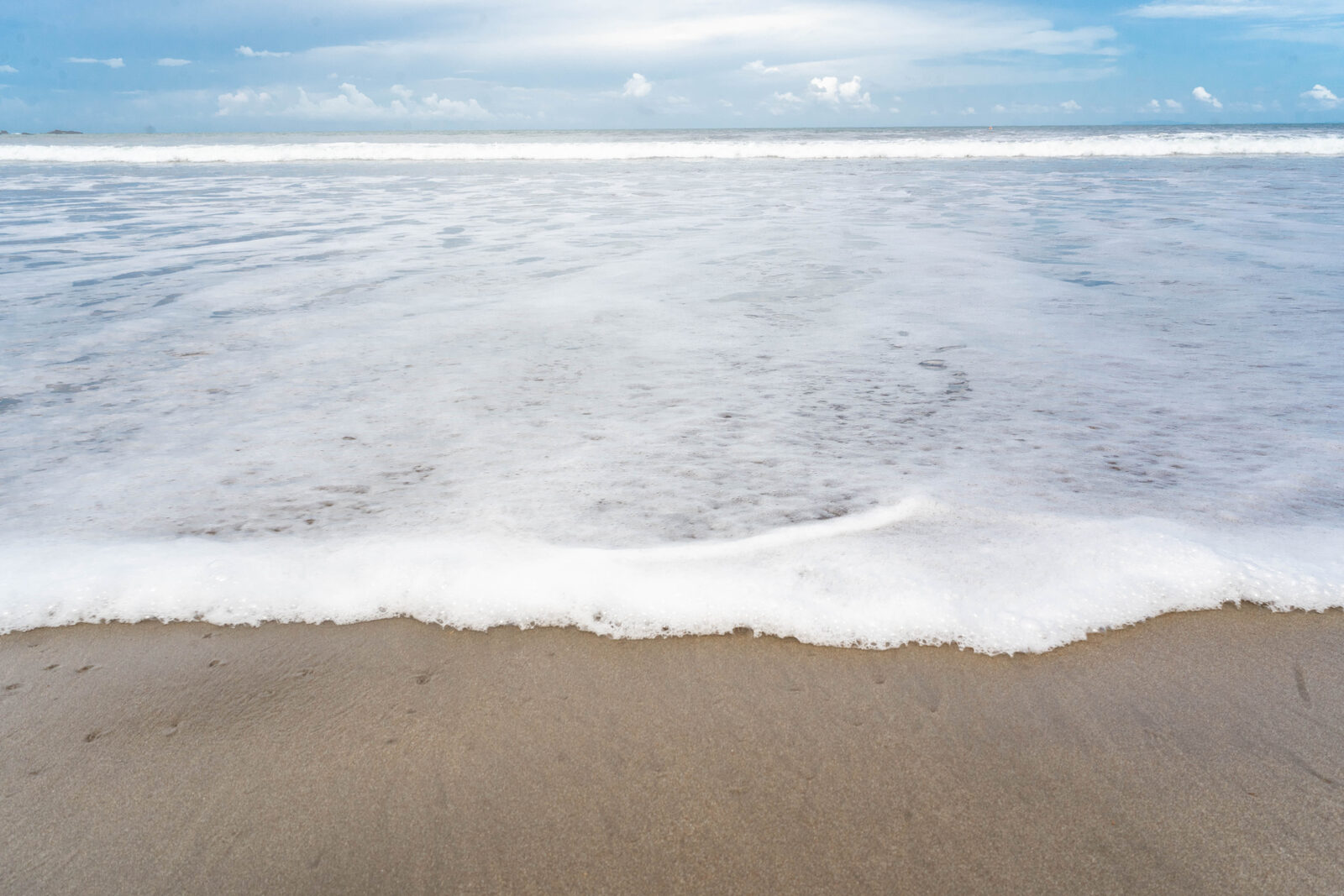
Playa Hermosa sits about 10 minutes south of Jacó on Costa Rica’s Central Pacific coast, and it’s a completely different world. Where Jacó gets crowded and rowdy, Hermosa stays mellow. The beach runs for nearly 7 kilometers (about 4 miles) of black volcanic sand, and the waves that roll in are the kind that made this place the first World Surfing Reserve in Central America.
If you’re deciding between the two, here’s the quick version: Jacó is where you go to learn to surf, eat at chain restaurants, and find nightlife. Playa Hermosa is where you go when you actually surf, want to watch turtles nest on the beach at night, and prefer your tacos from a roadside stand over a tourist-trap menu.
Why Playa Hermosa Stands Out
What makes Playa Hermosa special is the combination of consistent waves, natural beauty, and a community that actually cares about keeping the place unspoiled. The beach sits within the Garabito municipality and is part of a broader conservation effort that includes the nearby Punta Mala National Wildlife Refuge.
The area has a small-town feel. There aren’t high-rise condos lining the shore. Instead, you get boutique hotels, surf camps, and restaurants run by families who’ve been here for generations. It’s the kind of place where your morning surf session might be just you and a handful of other people in the water, and where the sunset paints the sky in colors that don’t look real.
Surfing at Playa Hermosa
Playa Hermosa earned its World Surfing Reserve status the right way: the waves are genuinely world-class, and the local community has fought to keep development sustainable. The reserve was officially dedicated on June 12, 2022, making it the 11th World Surfing Reserve globally and the first in Central America.
The surf here is a beach break, but not the messy kind. The geometry of the coastline means this stretch picks up almost every southwest swell that comes through, and the result is remarkably consistent surf year-round. You’ll find lefts, rights, and plenty of A-frame peaks that allow for some fun shared sessions.
Wave Conditions and Skill Level
Here’s the honest take: Playa Hermosa is not the place to learn to surf. The waves are powerful, the breaks are heavy, and on big swells, wave faces can reach double overhead. This is an intermediate-to-advanced destination. If you’re new to surfing, stick to Jacó (10 minutes north) where the waves are smaller and gentler, and there are surf schools on nearly every corner.
For experienced surfers, this is paradise. The wet season (roughly May through November) brings the biggest swells, with wave heights typically in the 5-9 foot range. The dry season (December through April) tends to offer smaller, more manageable conditions, but you’ll still find plenty of action. Offshore winds from the east keep the faces groomed, especially in the mornings.
One warning: crocodiles inhabit the estuaries and river mouths in the area, and stingrays are common on the sandy bottom. This isn’t meant to scare you off, but respectful caution is part of the deal here. Talk to locals, watch where you paddle, and you’ll be fine.
Surf Spots Along the Beach
Playa Hermosa has roughly 15 peaks spread across 7 kilometers of black sand, and most of them are known by name within the local surf community. A few are worth knowing before you paddle out:
Boca Barranca sits at the north end of the beach and is widely considered one of the best longboard lefts in the world. When a big southwest swell fills in, you can ride for hundreds of meters. It draws a crowd, so arrive early. The wave works best with strong SW swells and needs the biggest conditions of any break here.
Terrazas is the most-accessible break for guests staying near the main beach area. It’s a hollow left that peels off a sandbar, and it’s reliable year-round. The catch: there’s a submerged reef here that sits shallow at high tide. Watch where you paddle.
Backyards is one of the most consistent waves on the beach, working on both north and south swells with almost any W element in the direction. It produces classic Pacific sandbar barrels on a pushing tide. Gets crowded mid-morning onward.
Almendros sits in the middle stretch of Playa Hermosa. The sweet spot is 5 to 9 foot faces. Anything bigger and it tends to just slam shut. When it’s firing, expect rippable shoulders that are well-suited for shortboards and high-performance surfing.
La Curva is about 800 meters south of Almendros along the dirt track. It offers both lefts and rights, with the rights generally being the better quality. Barrels are possible at decent size (6 foot plus). Shallow bottom that can sting if you fall wrong.
Tulin is toward the southern end and is among the punchiest breaks on the beach. Barrels are common even in the drier months. Word spreads fast when Tulin fires, so early sessions are worth it.
Roca Loca and El Gato are reef breaks on the headland between Jaco and Playa Hermosa proper. Roca Loca is a hard right that needs big rainy-season swells. El Gato is a left that can get shallow and sucky on smaller days.
Esterillos Oeste is about 20 minutes south and offers an entirely different energy. The sand shelf tames most swells into knee-to-chest-high sets, making it one of the few breaks in the area suitable for beginners. The A-frame peaks are consistent and forgiving. Crocodiles have been reported here too.
Turtle Nesting: A Nighttime Experience
Between mid-August and mid-December, Playa Hermosa becomes one of the most important nesting sites in Costa Rica for Olive Ridley turtles. These turtles arrive in mass numbers for the famous “arribada” (mass nesting event), and guided night tours let you witness it.
Olive Ridley nesting season at Playa Hermosa runs from mid-August through mid-December, with peak activity typically between September and November. This is when the famous “arribada” events occur: mass nesting nights where dozens or hundreds of turtles come ashore simultaneously.
The local conservation effort here is managed through the Playa Hermosa Wildlife Refuge, and the beach is monitored by local biologists and volunteers starting from early July.
What you’ll actually see on a night tour: Local operators run guided walks starting around 7 PM, lasting 2.5 to 3 hours. Participants wear dark clothing and follow a naturalist guide in near-silence. The turtles emerge from the water, find a suitable spot, and dig a nest using their flippers before laying eggs. Watching a 100-pound Olive Ridley do this is one of those experiences that recalibrates your sense of what nature is.
Booking notes: Tours typically include pickup from Jaco, Playa Hermosa, or Manuel Antonio. Book with a reputable local operator and ask about their conservation credentials. Anyone who guarantees you’ll see a turtle or handles the animals directly is not running a conservation-focused tour. The rule is simple: if they touch the turtles, don’t book with them.
What to wear and bring: Dark-colored clothes (black is best), closed-toe shoes for walking on sand, and serious mosquito repellent. Tours run rain or shine. The beach is unlit. Your guide will have a red-light flashlight.
What the Beach Is Actually Like
Playa Hermosa isn’t the kind of beach where you’ll find umbrellas and beach chairs laid out for tourists. It’s rugged. The black sand gets hot under the midday sun, the waves are strong enough that swimming isn’t safe in most spots, and there’s no real “tourist zone” with shops and restaurants clustered together.
That’s the point.
The beach has a wild quality. You might see scarlet macaws flying overhead in the late afternoon, coatis rummaging near the treeline, and pelicans diving for fish along the shore. The water is warm year-round (somewhere between 26-29°C / 79-84°F), and the water clarity varies depending on the season and recent rain.
Compared to Jacó, which feels like a beach town designed for visitors, Playa Hermosa feels like a beach that people actually live in. There are sodas (small family restaurants), surf shops, and a handful of hotels, but nothing that feels franchised or chain-built.
Things to Do Beyond Surfing
If surfing isn’t your thing (or you need a break from it), Playa Hermosa and the surrounding area offer plenty:
- Horseback riding with Horizonte: Tours through the jungle and along the beach, often ending with a swim with the horses in the ocean.
- Snorkeling and catamaran cruises: Several operators run half-day trips along the coast, often combining snorkeling at offshore reefs with lunch and drinks on the boat.
- Kayaking and stand-up paddleboarding: The calmer waters near the north end (around Boca Barranca) are suitable for paddling, especially in the early morning.
- Wildlife tours: The nearby Punta Mala National Wildlife Refuge and the surrounding jungle are home to monkeys, sloths, toucans, and dozens of bird species.
- Fishing: The waters off Playa Hermosa are productive for inshore fishing. Several local captains offer half-day and full-day trips.
Wildlife Near Playa Hermosa: Carara National Park
About 20 minutes north of Playa Hermosa (heading toward Jaco), Carara National Park is one of the most wildlife-dense areas in Costa Rica’s Central Pacific corridor. The park sits at a transition zone between tropical rainforest and dry forest, which means it draws species from both ecosystems. This is the single best wildlife experience within reasonable distance of Playa Hermosa.
Scarlet Macaws are the main attraction. Carara has one of the largest populations of breeding scarlet macaws in the country. You’re most likely to spot them in the early morning or late afternoon when they fly between roosting and feeding areas. Early mornings tend to be most productive. The Rio Grande de Tarcoles riverbank is a reliable viewing spot near the park entrance. Bring binoculars.
Crocodiles rule the Tarcoles River. The bridge crossing just before the park entrance is a mandatory stop. Crocodiles here regularly reach 4 to 6 meters long. They look lethargic from the bridge, but these are wild animals and feeding them has made them bolder around humans. Keep your distance.
Monkeys are common inside the park: howler monkeys and white-faced capuchins are the most frequently spotted. Listen for the howlers before you see them. Their call carries for more than a kilometer.
Two-toed sloths are present in the forest canopy. Birdwatchers should also keep an eye out for toucans, trogons, motmots, and a variety of herons.
Best time to visit: Early morning. The park opens at 8 AM and the first two hours are when wildlife is most active. Bring long pants, closed shoes, insect repellent, and sun protection. A guided tour with a naturalist enhances the experience significantly, as guides know where the macaw roosts are on any given day.
Where to Eat
Playa Hermosa doesn’t have a massive restaurant scene, but the places that are here are worth seeking out:
- La Casita del Marisco: A local favorite for fresh seafood. Think ceviche, grilled fish, and fried whole snapper. Family-owned, no-frills, and delicious.
- Ginger Restaurant Bar: The most upscale option in the area. Asian-fusion cuisine with a solid cocktail list. Good for a date night or when you want a break from rice and beans.
- Robertos at La Gaviota Tropical: A roadside stand that locals swear by. Simple, authentic Costa Rican food. The fish tacos are a standout.
- Coco Viquez: Near the entrance to Playa Hermosa (closer to Jacó), this family-run buffet-style spot serves traditional Costa Rican dishes. Great for a quick, filling meal.
If you’re willing to drive 10 minutes north to Jacó, your options expand significantly. But for a beach this size, the local food scene punches above its weight.
Getting There
Playa Hermosa is about 96 kilometers (roughly 60 miles) from San José, and the drive takes 1.5 to 2 hours depending on traffic.
From SJO Airport (Juan Santamaría International):
- The most straightforward route is Highway 34 (the Costanera) heading south from San José. You’ll pass through Orotina and Herradura before reaching Playa Hermosa.
- A rental car gives you the most flexibility. Roads in this part of Costa Rica have improved significantly, and a 4WD vehicle is recommended if you’re visiting during the wet season (the dirt roads near the beach can get muddy).
- If you don’t want to drive, shared minibuses depart from San José to Jacó regularly, and you can grab a taxi from Jacó to Playa Hermosa for a few dollars. Several companies (like MyPinkBus) offer airport transfers directly to the Jacó/Playa Hermosa area.
From Liberia Airport (Daniel Oduber Quirós):
- It’s about 3.5 to 4 hours by car, mostly on Highway 1 south to the Costanera. Not ideal, but doable if you’re coming from Guanacaste.
Seasonal Guide: When to Go
December through March — best for swimming and calm conditions The dry season brings the steadiest weather: sunny days, lower humidity, and minimal rain. The ocean is calmer, though surf still reaches the beach. This is the most popular time to visit, so expect slightly more people on the beach and higher rates at hotels. Good for families or anyone who wants reliable weather.
May through November — best for surfing The wet season (locally called “green season”) is when Playa Hermosa fires. Swells come in consistently from the southwest, wave faces regularly hit 5 to 9 feet, and the offshore winds in the mornings keep the faces groomed. This is the serious surfers’ window. Fewer tourists, greener landscapes, and lower prices. Afternoon rain showers are common but usually brief.
June through October — macaw season at Carara Carara’s scarlet macaws are most reliably spotted during these months when the forest has fruiting trees they feed on. Early morning tours (starting at 8 AM) are the best bet year-round, but June through October tends to produce more consistent sightings.
July through December — turtle nesting Volunteer monitoring begins in early July. Guided night tours run from mid-August through mid-December. Peak months are September through November. December tours are possible but tend to see fewer turtles as the season winds down.
Year-round The water stays warm year-round, comfortable for swimming, surfing, and snorkeling without a wetsuit. A rash guard is useful for surf sessions and essential for turtle tour nights when mosquitoes are at their worst. Crocodiles and stingrays are present in the water year-round, regardless of season.
Final Thoughts
Playa Hermosa isn’t for everyone. If you need nightlife, shopping, or a gentler surf break for beginners, stick with Jacó. But if you want world-class waves, the chance to watch turtles nest on a dark beach, and a sense of discovery that comes with a less-developed coastline, this is your place.
It’s the surf destination Costa Rica doesn’t advertise as loudly as Tamarindo or Jacó, and that is precisely why it matters.
Frequently Asked Questions
Is Playa Hermosa good for beginners? No. Playa Hermosa is not recommended for beginners. The waves are powerful, the breaks are heavy, and on big swells, wave faces can reach double overhead. This is an intermediate-to-advanced destination. If you’re new to surfing, stick to Jacó (10 minutes north) where the waves are smaller and gentler.
When is turtle nesting season at Playa Hermosa? Turtle nesting season runs from mid-August to mid-December. During this time, Playa Hermosa becomes one of the most important nesting sites in Costa Rica for Olive Ridley turtles, with mass nesting events known as “arribada.”
How far is Playa Hermosa from Jacó? Playa Hermosa sits about 10 minutes south of Jacó on Costa Rica’s Central Pacific coast.
What is the World Surfing Reserve designation? Playa Hermosa was designated as the first World Surfing Reserve in Central America. The reserve was officially dedicated on June 12, 2022, making it the 11th World Surfing Reserve globally.
Can you swim at Playa Hermosa? Swimming is not safe at Playa Hermosa in most spots. The waves are too strong, and the beach has a rugged, wild quality. The water is better enjoyed from the shore or through activities like surfing, kayaking, and paddleboarding.
- https://www.savethewaves.org/playa-hermosa/ - Save The Waves Foundation on Playa Hermosa World Surfing Reserve (approved Feb 2020, dedicated June 12, 2022)
- https://thesurfatlas.com/costa-rica-surf/playa-hermosa-surf/ - Surf Atlas guide to Playa Hermosa surf conditions
- https://www.surf-forecast.com/breaks/Playa-Hermosa - Surf Forecast detailed conditions
- https://www.costarica.com/tours/olive-ridley-turtle-nesting-tour-at-playa-hermosa - Costa Rica.com turtle tour information (season Aug 15 - Dec 15)
- https://www.rome2rio.com/s/San-Jose-Airport-SJO/Playa-Hermosa-Puntarenas-Costa-Rica - Rome2Rio driving distance (96 km, ~1h 45m)
- https://www.tripadvisor.com/Restaurants-g309246-Playa_Hermosa_Province_of_Guanacaste.html - Tripadvisor restaurant listings
- https://www.tripadvisor.com/Attractions-g703684-Activities-Playa_Hermosa_Jaco_District_Garabito_Municipality_Province_of_Puntarenas.html - Tripadvisor things to do
- https://www.reddit.com/r/CostaRicaTravel/comments/1p5lg3x/restaurant_recommendations_in_playa_hermosa/ - Reddit restaurant recommendations
Ready to Experience Playa Hermosa?
Book your Playa Hermosa vacation rental with Nest Stays — and wake up right where the action is.