Sport Fishing in Costa Rica: The Central Pacific Hub
Overview: Why the Central Pacific Is Built for Fish
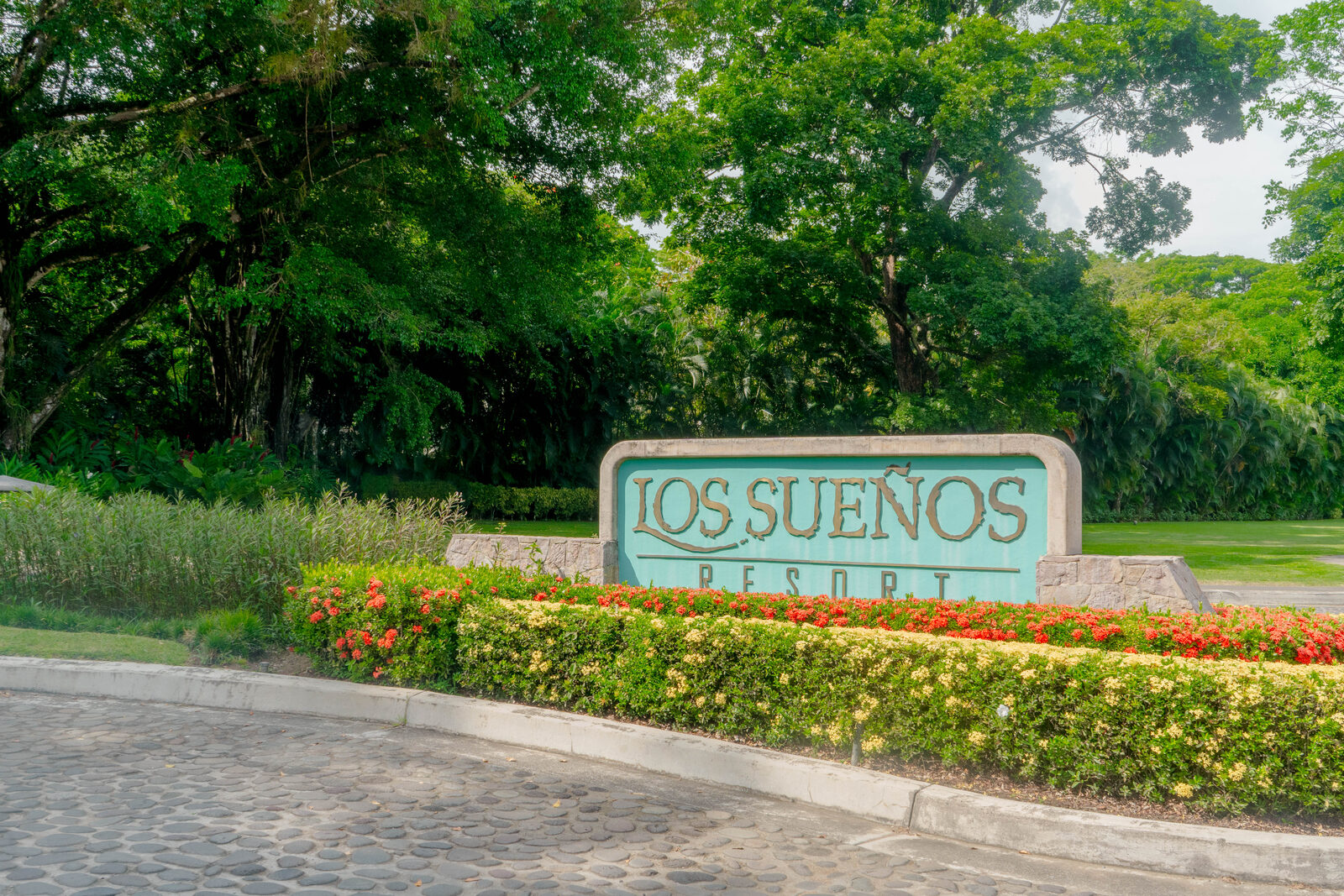
The first light hits the water at Los Sueños Marina and the fleet is already moving. Outboards idling, baits in the hold, crews checking terminal tackle before they hit the continental edge, 20 minutes out. That is the whole trick with this stretch of Costa Rica’s Pacific coast: the continental shelf drops away so steeply that you can be fishing 1,000 feet of water before your coffee gets cold. Billfish don’t require an overnight run.
Los Sueños Marina is the anchor of this fishery. It is a 200-slip, full-service facility, the first government-approved marina in Costa Rica, and one of the top sportfishing destinations in Latin America. The Triple Crown tournament series, running three legs from January through March, regularly sees the fleet post 30-40 sailfish releases per boat in a single day. Those numbers are real and verifiable on the official tournament scoreboard.
But you do not need to be a tournament angler to benefit from this fishery. The same boats, captains, and mates who compete in the Triple Crown take paying guests the rest of the year. Whether you want to chase a personal-best marlin, put your kids on their first roosterfish, or spend a relaxed half-day offshore with cold drinks and good company, the right charter exists for your group.
Costa Rica also operates under strict catch-and-release regulations for billfish, which has kept sailfish and marlin populations healthy and abundant. The fishing you experience today is the result of decades of responsible management. That is not marketing language: it is the reason you will see flags flying on boats coming back to the dock, blue for marlin and red for sailfish, trip after trip.
Fishing Types: Finding the Right Trip
There are two main ways to fish the Central Pacific, and they are very different experiences.
Inshore fishing keeps you within a few miles of the coast. You are working rocky points, surf lines, reef structures, and estuaries targeting roosterfish, cubera snapper, jack crevalle, amberjack, and Spanish mackerel. The water is calmer, the runs are short, and the action tends to be constant. Half-day trips run 4-5 hours and are ideal for families with children, first-time saltwater anglers, or anyone who is unsure about seasickness. Expect to pay $825-$1,100 for a half-day on a smaller center console.
Offshore fishing runs 20-40 miles out into deep blue water. This is where you find sailfish, blue and black marlin, yellowfin tuna, dorado, and wahoo. Full-day trips are 8-9 hours and start around $1,400 for a 28-32 ft center console, ranging up to $4,000+ on a luxury 50-foot sportfisher. This is the trip for anglers who have come specifically to target billfish or land a trophy tuna. The crews are professional, the tackle is heavy, and the fish are big.
Fly fishing is possible in the region but is less structured as a charter product. Targeted at permit and bonefish on the Caribbean side, or roosterfish and snook in estuaries, it requires advance arrangement with a specialist guide. Ask our team for a recommendation when you book.
Our guide to inshore vs offshore fishing at Los Sueños goes deeper into this decision.
Species Guide: What’s in the Water
The Central Pacific produces a wide range of game fish. The most sought-after:
Pacific sailfish are the main attraction at Los Sueños. Lean, fast, and spectacularly acrobatic, they are caught in large numbers from December through April. A typical sailfish runs 60-100+ pounds, with most averaging in the 80–100 lb range. The initial run is explosive: they tail-walk across the surface and greyhound repeatedly before you get them to the boat. Strictly catch and release by Costa Rica law.
Blue marlin show up in peak numbers from June through October, with July and August typically the best months. These are brute-force fish, commonly 200-400 pounds, that sound deep and pull with sustained, grinding power. A blue marlin fight on heavy tackle can last an hour or more. Also catch and release only.
Dorado (mahi-mahi) are the crowd-pleaser. Beautiful fish (electric blue and gold, with iridescent blotches), aggressive biters, acrobatic fighters, and excellent on the table. They gather around floating debris and weed lines, making them relatively easy to locate when they are in season. June through October is prime, with good action also in November and December. You can keep dorado for dinner.
Roosterfish are the go-to inshore species in Costa Rica. Named for the distinctive comb-like dorsal fin that fans up like a rooster’s crest, they patrol the surf zone and nearshore structure. Running 10-80 pounds, they are found year-round along the Herradura and Jacó coastline, with December through April producing the most consistent action. Catch and release is strongly encouraged even where not required by law.
Yellowfin tuna are abundant from May through September, with fish in the 20-150+ pound range. Often found in association with floating debris, sea birds, and dolphin schools. Hard-fighting, great on the table, and a reliable offshore target when billfish are not showing.
See our full Costa Rica fish species guide for complete details on all species including wahoo, cubera snapper, and jack crevalle.
Seasonal Calendar: When to Go
Fishing is productive year-round in the Central Pacific. What changes is what you are likely to catch.
| Month | Best Species | Conditions |
|---|---|---|
| January | Sailfish, yellowfin tuna | Dry season. Calm seas. Peak season. |
| February | Sailfish, dorado | Widely considered the best single month for sailfish. |
| March | Sailfish, blue marlin, dorado | Triple Crown finale. Grand slam possible. |
| April | Sailfish, blue marlin, tuna | Transition month. Fewer crowds, good availability. |
| May | Blue marlin, tuna, wahoo | Green season begins. Mornings typically clear. |
| June | Blue marlin, dorado, tuna | Marlin action builds. Good value as peak season ends. |
| July | Blue marlin, dorado, tuna | Peak water temps. Big marlin showing. |
| August | Blue marlin, dorado, tuna | Consistently strong offshore action. |
| September | Dorado, blue marlin, tuna | Dorado abundant. Shoulder season rates available. |
| October | Dorado, sailfish, tuna | Marlin still strong. Dorado numbers excellent. |
| November | Sailfish, dorado, wahoo | Great variety. Grand slam realistic. |
| December | Sailfish, yellowfin tuna | Sailfish return in force. Holiday bookings fill fast. |
For a full month-by-month breakdown, see our Los Sueños fishing season calendar.
Pricing Overview: What to Budget
Charter prices in the Central Pacific are structured around boat size and trip length. All prices are per boat (not per person) and exclude 13% Costa Rica tax, crew tip (15-20% is standard), and fishing license (about $15 USD per angler).
Half-day inshore (4-5 hours): $825-$1,100 for smaller center consoles. Targets roosterfish, snapper, and jack crevalle.
Full-day offshore (8-9 hours) by boat size:
- 28-32 foot center consoles: $1,400-$1,600. Good for 2-4 anglers.
- 33-36 foot sport fishers: $2,700-$2,900. The sweet spot for most groups.
- 43-50 foot luxury sportfishers: $3,300-$4,500. Full amenities, experienced crew.
We recommend working with operators who know the fleet and can match you to the right boat. See our complete pricing guide for verified 2026 rates.
Our Properties: Fish from a Home Base
The best fishing trips start with the right accommodation. Nest Stays manages a carefully selected portfolio of villas and condos in Los Sueños, Herradura, and Jacó, all within minutes of the marina. Properties include private pools, full kitchens, and concierge services that include charter booking, grocery stocking, and airport transfer.
Browse available properties at neststayscr.guestybookings.com/en/properties or see our Los Sueños properties.
Fishing in Jacó
Jacó sits 15 minutes from Los Sueños Marina and offers a more laid-back, affordable base for fishing trips. Jacó-based charters launch from the beach or nearby Herradura, and prices tend to run 10-25% below equivalent marina departures. The trade-off is a less formal infrastructure and a smaller fleet, but for groups combining surfing and fishing, or families wanting a half-day trip without the premium, Jacó is a practical choice. See our Jacó fishing guide for the full picture.
Fishing at Pescadora and Herradura
Pescadora refers to the fishing grounds around Herradura Bay, just north of Jacó and anchored by Los Sueños Marina. Herradura Bay itself offers calmer launch conditions than Jacó Beach, and local captains operating from the bay provide a more affordable entry point to the same offshore grounds. Shore fishing is also possible along the rocky coastline near Herradura for licensed anglers targeting roosterfish and snapper. See our Pescadora fishing guide.
Book Your Fishing Charter
We recommend trusted local operators who know the fleet well. Our team can connect you with a captain that fits your experience level, target species, and budget.
Or explore Los Sueños properties and mention fishing when you book. We will handle the rest.
Ready to Experience Sport Fishing in Costa Rica: The Central Pacific Hub?
Book your Costa Rica vacation rental with Nest Stays and make this your base for it all.