Escazú Costa Rica 2026: Neighborhoods, Restaurants & Tips
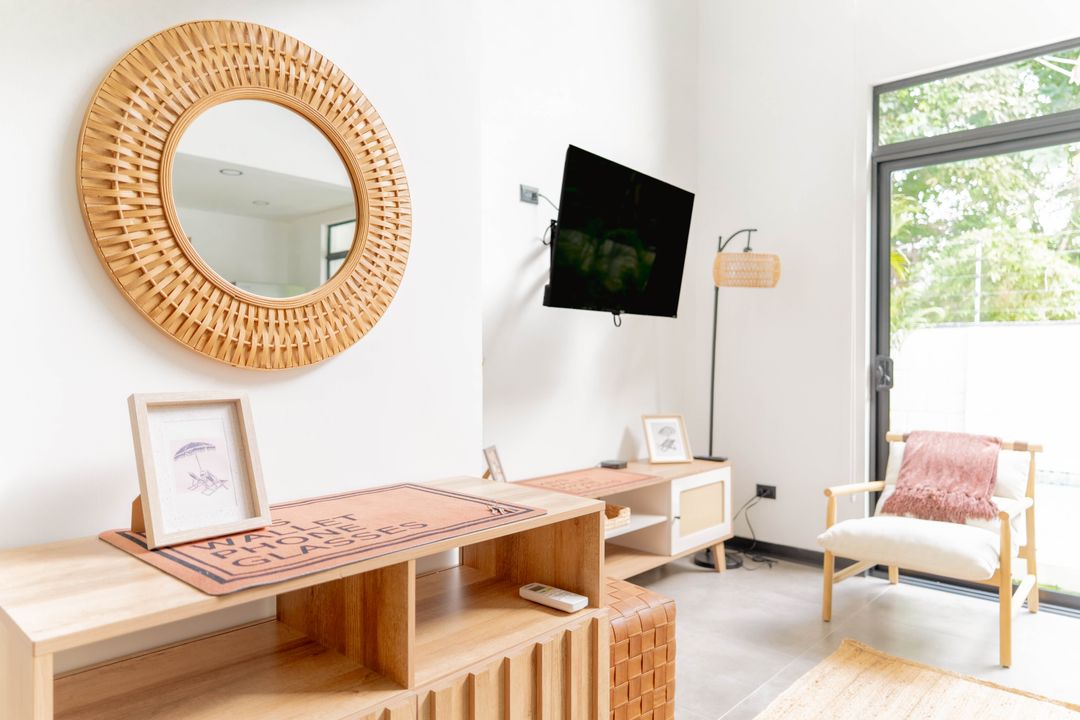
Most people who end up in Escazú didn’t plan to come to Escazú. They were in Costa Rica for something else, a company meeting, a hospital appointment, a relocation scouting trip, and someone told them to stay in Escazú instead of San José’s downtown hotels. So they did. Then they spent a week eating at restaurants that surprised them, sleeping in a genuinely comfortable home in a quiet gated community, and having an Uber arrive in under four minutes every time. Now they come back on purpose.
That’s the thing about Escazú. It doesn’t announce itself the way Jacó or Santa Teresa does. There’s no dramatic coastline, no famous surf break, no backpacker mythology. What it has is the best restaurant scene in Costa Rica, the country’s most capable private hospital, the kind of urban infrastructure that actually works, and spring-like weather 365 days a year. It sits at about 1,100 meters elevation in the Central Valley: warm days, cool nights, no beach heat, no humidity that fogs your glasses.
The people who know Costa Rica well tend to have a private affection for Escazú that they don’t fully explain to beach-seeking tourists. This guide is for people who are ready for that explanation.
What Escazú Actually Is
Escazú is San José’s most upscale suburb. That sentence undersells it slightly, but it’s the right starting frame. Think of the relationship the way you’d think of Beverly Hills to Los Angeles, or Kenilworth to Chicago: a district that exists within the metro’s orbit but has its own distinct identity, its own restaurants and culture and real estate market, and its own reasons to stay there specifically rather than anywhere else.
The population here is a particular mix: Costa Rican professionals who commute to San José, American and European expats who found that their dollar or euro goes further here than anywhere else in Latin America with this quality of life, diplomats, multinational executives, and (increasingly) medical tourists who come for care at CIMA Hospital and stay through recovery in a well-equipped rental home rather than a hotel room.
This is not a destination where you’ll spend your mornings chasing waves and your afternoons hiking to waterfalls. If that’s the trip, go to Santa Teresa or Manuel Antonio. Escazú is the place for people who want genuine comfort, excellent food, easy access to everything, and a base for a different kind of Costa Rica: the country’s urban intelligence rather than its beach mythology.
That said: the day trips out of Escazú are exceptional. Poás Volcano in an hour. The Doka Estate coffee tour in 90 minutes. The Central Pacific beaches (Jacó, Los Sueños, Playa Hermosa) in 90 minutes. San José’s National Museum in 20 minutes. La Sabana Metropolitan Park on a Tuesday morning with almost no one else there. Escazú rewards travelers who use it as a base and explore from it, not just as a place to sit.
The Three Escazús
The district divides into three zones with meaningfully different personalities, and understanding which one you’re staying in matters.
San Rafael de Escazú is the commercial and international hub: the Escazú you’ll encounter first as you exit the Próspero Fernández Expressway from San José. This is where Multiplaza and Avenida Escazú are located, where the density of restaurants, hotels, and services is highest, and where the architecture is most obviously international. High-rise condominiums (some reaching 15-20 stories with valley views from the upper floors), designer boutiques, the kind of sidewalk café that could plausibly be in Madrid or Miami. The corporate presence is visible: multinational offices, coworking spaces, business hotels like the InterContinental and Courtyard by Marriott. It’s not generic, exactly, the surrounding mountains are always visible, and there’s enough green in the landscaping to remind you you’re in Central America, but it’s the most modern, most commercial face of Escazú.
San Rafael is where Hospital CIMA sits (within walking distance of the commercial center, though most people Uber the 5-10 minute ride rather than walk the hills). The infrastructure for international residents shows in the details: the AutoMercado at Multiplaza stocks imported cheeses, European wines, and the kind of specialty ingredients that aren’t available elsewhere in San José. The pharmacy chains carry international brands. The banks have English-speaking staff and expat-friendly account services. Business travelers and first-timers tend to land here. The proximity to the expressway means you can be at the SJO airport in 20 minutes or in downtown San José in 15.
San Antonio de Escazú is something else entirely. Drive 10 minutes uphill from Multiplaza and the landscape shifts: fewer commercial signs, a colonial-era church (Iglesia de San Antonio, built in the 1800s) on a proper plaza, a Saturday morning market where local farmers from the surrounding cloud-forest belt sell organic vegetables, handmade cheese, artisan bread, and preserves, and views across the entire Central Valley that stop you mid-sentence. The elevation here is higher (1,400-1,600 meters in the upper sections), so the air is noticeably cooler, 2-4°C below San Rafael’s temperatures. The houses are older: traditional Costa Rican architecture with wide eaves and wooden details alongside newer estates built by families who wanted the views and the quieter character.
This is where Mirador Tiquicia sits, one of the most atmospheric restaurants in the country, in a century-old farmhouse perched on a hill with the valley sprawled below it. The Saturday market runs from about 6 AM to noon near the church plaza: arrive early for the best produce and the full local energy before it transitions into a more tourist-friendly scene by mid-morning. San Antonio has the feel of the Costa Rica that existed before the expressways were built, except it’s 12 minutes from the best mall in the country. That contrast is part of what makes Escazú interesting.
San Miguel de Escazú is the quietest of the three, primarily residential, with gated communities (condominios) occupying the hillside terrain and less of the commercial noise of San Rafael. The architecture here is predominantly low-rise: single-family homes, townhouse clusters, and a few mid-rise condo buildings, but nothing approaching San Rafael’s high-rise density. The streets are narrower and wind through hilly topography dotted with coffee plants and tropical gardens. Families who’ve lived in Escazú for years tend to prefer this end, as do long-term rental guests who want to feel like residents rather than tourists.
San Miguel has its own small commercial center with a handful of restaurants, a grocery, and service businesses, but the energy is neighborhood-scale rather than destination dining. Most San Miguel residents drive or Uber to San Rafael when they want the full restaurant and shopping infrastructure, a 10-15 minute trip. The trade for that slight inconvenience is genuine residential peace: no tourist foot traffic, very low street noise, and the kind of gated-community security that lets people leave doors unlocked within their development. If you’re coming for a medical recovery stay or an extended work trip and want residential quiet without sacrificing proximity to everything, San Miguel is where to look.
Hospital CIMA: The Reason Escazú Is on the Medical Map
Hospital CIMA (Centro Internacional de Medicina) has JCI Gold Seal accreditation, over 800 board-certified physicians across more than 60 specialties, and is the reason that Escazú became the medical tourism capital of Costa Rica.
CIMA operates across more than 60 specialties with over 800 board-certified physicians on staff, robotic surgical suites, and dedicated international patient services: coordination staff who speak English, help with insurance paperwork, and can arrange recovery logistics including transportation and accommodation. The physical plant is modern: opened in 2000, continually updated, with the kind of equipment and protocols you’d expect at a major private hospital in the United States or Europe.
The procedures that bring international patients here most often fall into a few categories. Dental work (full mouth restorations, implants, crowns) at prices that run 40-70% below U.S. rates. Cosmetic surgery (rhinoplasty, liposuction, breast augmentation, facelifts) performed by board-certified surgeons at comparable quality and a fraction of the U.S. price. Orthopedic procedures (joint replacements, knee surgeries, spine work): both the cost savings and the recovery time in a pleasant climate make Costa Rica genuinely attractive compared to returning home immediately post-procedure. Cardiac care and oncology are CIMA’s higher-complexity specialties, areas where the hospital’s equipment and physician credentials allow it to handle cases that would typically require major U.S. medical centers.
The recovery question is where staying in Escazú specifically (rather than downtown San José) makes a concrete difference. A vacation rental in Escazú gives a post-procedure patient a proper kitchen for the diet restrictions that follow surgery, space to move slowly without the noise and stimulus of a hotel corridor, a bed that actually encourages rest, and grocery delivery from AutoMercado so they don’t need to go out. The hospital is a 10-minute Uber ride from most Escazú properties. The restaurants will deliver. CIMA’s international patient team can communicate directly with your rental manager to coordinate logistics. The infrastructure for medical recovery in Escazú is, by design or accident, excellent.
If you’re planning a procedure at CIMA or one of the dozen specialty dental and cosmetic clinics that cluster near the hospital, build the recovery stay into your trip planning from the start. Two weeks minimum after most surgical procedures: you need that time, and having a proper home base rather than a hotel room matters more than most patients think before they arrive.
See Nest Stays vacation rentals in Escazú →
The Restaurant Scene (The Real One, Not the Summary Version)
The honest claim: Escazú has the best restaurant scene in Costa Rica. Not the most scenic: for that, go to a beach. But for quality, variety, and the kind of cooking that takes a serious kitchen seriously, nothing in the country competes with the two square kilometers around Multiplaza and Avenida Escazú.
The Market draws repeat visitors who know Escazú well. Housed in a relaxed, comfortable space near Avenida Escazú, it delivers the kind of food that earns a place its reputation without theatrical effort. Worth a stop on any visit.
Mirador Tiquicia is the non-negotiable. Drive up to San Antonio de Escazú, park near the old church, and keep going up the hill until you see the farmhouse with the view that doesn’t seem real. The restaurant sits in a century-old colonial house that has been thoughtfully restored: exposed beams, terrace tables, traditional ceramics, and the food is serious Costa Rican: roasted meats, hearts of palm salads, black bean soup that tastes like someone’s grandmother made it. Come for the Noche Tica experience on Wednesday and Thursday evenings: traditional buffet, folkloric dance, the entire Central Valley lit up below you at dusk. It sounds like a tourist trap and is the opposite: this is what Costa Rican culture actually looks like when it’s presented with pride rather than condescension. Book ahead. Friday and Saturday nights feature live music instead, a different experience, equally worth attending.
La Divina Comida is where you go for Peruvian. The Central Valley has accumulated a serious Peruvian restaurant culture over the last decade, and La Divina Comida is consistently at the top of it: ceviche prepared properly (not the lime-soup approximation you’ll find elsewhere), lomo saltado that tastes like Lima rather than an approximation of Lima, and a wine list that treats the meal as something worth drinking through rather than just eating around. Terrace seating. Reservations necessary on weekends.
El Novillo Alegre is the Argentine steakhouse that gets the specifics right. The beef is properly dry-aged, the parrilla technique is legitimate, and the chimichurri doesn’t come from a bottle. This is not difficult to achieve and yet somehow difficult to find in Central America. Come for the entraña or the ojo de bife, bring someone who appreciates properly cooked meat, and don’t rush it.
Taj Mahal has been running an Indian restaurant in Escazú long enough to have earned its reputation without qualification. The setting is a garden tucked behind the commercial strip: candlelit tables, enough greenery to feel removed from the mall half a kilometer away, and the cooking is northern Indian with the kind of depth that comes from actually knowing what you’re doing with spices. The lamb rogan josh is the order. The naan comes fresh. Mains run $15-25. Open daily for lunch and dinner. This is the Indian restaurant the rest of Central America wishes it had.
Factory Steak and Lobster at the InterContinental near Multiplaza delivers exactly what its name promises: high-end surf and turf without the pretense. The mixed grill boards are designed for sharing (steak, lobster, chicken, with sides of rice, potatoes, and vegetables), and the quality justifies the prices ($30-50 per person for a full meal with wine). The space is upscale-casual, the kind of place where business dinners happen alongside anniversary celebrations. Reservations recommended on weekends.
Samurai Fusion in San Rafael brings Japanese technique with cross-cultural accents. The menu moves between traditional sushi and creative fusion plates that pull from other Asian traditions without losing the thread. Teppanyaki tables are available for the full performance, though the regular dining room is where the kitchen’s range shows best. Expect $25-40 per person before drinks.
Caffè Negroni is Mediterranean cooking in a garden setting that feels more intimate than most of Escazú’s commercial dining. The kitchen does artisanal pizzas with proper crust, risottos that require attention, and braised meats that benefit from the slow approach. The Negroni cocktails (obviously) are the house specialty, and the list runs deeper than the name suggests. Come for brunch or an unhurried dinner. Mains $12-28.
Tintos y Blancos is the wine bar for evenings that aren’t quite dinner but want to become dinner. The wine list is the work of someone who actually went looking: South American reds alongside European bottles you wouldn’t find elsewhere in San José, chosen with the kind of intentionality that makes you trust whoever assembled the list. They do food, and the food is good. The location near Multiplaza means it fills up with the young professional crowd that the neighborhood attracts. Start here before dinner elsewhere or make it the whole evening.
Insurgentes 21 at Avenida Escazú is contemporary Mexican, a level above taqueria, below fine dining, with a kitchen that treats tortillas and salsas as real cooking rather than delivery vessels for cheese. The design of the space is deliberately stylish and the mezcal selection is serious. Good for a dinner that doesn’t require a jacket but still feels like the evening was intentional.
Praga Café & Lounge is where a crowd of locals and expats ends up on Thursday through Saturday nights: a lounge-restaurant hybrid that plays music, serves food, and stays open later than most of its neighbors. The crowd skews mixed: Costa Ricans, expats, people in from San José for the night. It’s not a club, but it has the energy of somewhere that hasn’t decided to close yet at midnight.
What to budget: A sit-down dinner at the top-tier spots (Mirador Tiquicia, La Divina Comida) runs $25-40 per person with drinks. Midrange (Caffè Negroni, Insurgentes 21) lands at $15-25. For cheaper options, the AutoMercado food court and local sodas (simple Costa Rican lunch counters) keep lunch under $8.
Shopping in Escazú
Multiplaza Escazú is the best shopping mall in Costa Rica. That’s a fact rather than a promotional claim. The tenant mix includes international fashion brands that don’t appear anywhere else in the country, an upscale cinema, and an AutoMercado supermarket on the ground floor that stocks imported goods, an excellent cheese and charcuterie section, wine from South America and Europe, and the ingredients for a real kitchen. If you’re staying in an Escazú rental for more than a night, start with an AutoMercado run before you head to your property.
Avenida Escazú is the open-air commercial district adjacent to Multiplaza, and the two together function as a walkable dining-and-retail complex that works for an afternoon or an evening. The architecture is more pedestrian-friendly than Multiplaza’s interior corridors: outdoor passages, café terraces, boutique storefronts. The restaurant density at Avenida Escazú is high, and it’s where several of the trendier dining openings have landed in recent years.
For a different kind of shopping, the Saturday market in San Antonio de Escazú is the antidote to the mall. Farmers from the surrounding cloud-forest belt come down with produce, cheese, homemade preserves, and crafts. It runs through late morning and is worth making a detour for even if you don’t cook. The market is more about the place and the people than the products, and the 10-minute drive from San Rafael feels like a trip to a different century. For serious artisan shopping (ceramics, woodwork, leather, the kind of handicrafts that justify luggage space), the town of Sarchí is 60 kilometers northwest and worth the day trip.
Nights Out
Escazú’s nightlife operates on a different clock than the beach towns. Nobody’s up at 5 AM to catch a surf window, so the restaurants go later and the social scene runs past midnight on weekends. The scene is upscale-casual: people dress for dinner, drinks follow, and the energy is urban rather than beach-party.
The cluster at Avenida Escazú is where most evenings start. The commercial strip has enough bar seating and terrace tables to generate the kind of ambient social energy that makes wandering from one place to the next feel natural. Tintos y Blancos is the wine bar anchor, a good starting point that can easily become the whole evening if the company is right and the wine is working.
From there, Praga Café & Lounge if you want to go later. The small-scale club scene exists, but Escazú’s evening character is really built around restaurants that function well as social spaces rather than dedicated clubs. The dinner at La Divina Comida that starts at 8 and ends at 10:30 with three bottles of wine and a conversation that extended past the dessert menu: that’s the Escazú night that people remember, not the dance floor.
Day Trips That Are Actually Worth It
Poás Volcano National Park is about 75–90 minutes from Escazú and is the most accessible active volcano experience in Costa Rica. The main crater holds an acid lake: brilliantly turquoise, occasionally steaming, dramatic enough to justify the drive. Go early (the park opens at 8 AM and the summit cloud cover comes in by mid-morning on most days). Entrance fee is $15 for international visitors and must be reserved online in advance at sinac.go.cr. The park has a daily visitor limit and fills up on weekends. Pair it with a coffee tour at nearby Doka Estate on the way back.
Hacienda Doka (also widely known as Doka Estate) is a working coffee plantation 30 minutes from Poás on the road back to Escazú. The tour covers the full coffee production process: growing, harvesting, wet-milling, sun-drying on the traditional raised beds, and includes cupping at the end. The estate has been producing coffee since 1940. Tours run daily, reservations recommended; the standalone tour is $22 per adult, $10 for children ages 6-10, and free for children under 6 (verify current pricing directly at dokaestate.com before your visit).
La Sabana Metropolitan Park is 15 minutes east of Escazú in San José and is where the city’s residents actually go to decompress. Joggers, families, pickup soccer games, the National Stadium on the eastern edge, and the Museum of Costa Rican Art in the old airport terminal on the western end. It’s not a tourist attraction; it’s a city park being used by the city. A Tuesday morning walk through it gives you San José as it actually lives. The museum is worth 45 minutes for the permanent collection alone.
San José’s city center is 20 minutes from Escazú and contains more than most visitors give it credit for. The National Museum of Costa Rica at the Bellavista fortress covers pre-Columbian history with the country’s best collection of jade and gold artifacts. The Central Market (Mercado Central) is a covered market from 1880 that still functions as a working market: sodas serving gallo pinto and casado, spice vendors, leather shops, the organized chaos of something that hasn’t been designed for tourism and is better for it. Go for breakfast at one of the market sodas before the tour groups arrive.
Beach Day Trips: The Central Pacific from Escazú
Escazú sits at the geographic center of Costa Rica’s most accessible beach corridor. The Próspero Fernández Expressway (Route 27) runs west from San José through Escazú and continues all the way to the Central Pacific coast, making beach day trips or overnight escapes genuinely practical.
Jacó Beach is the closest: 95 kilometers (59 miles), roughly 90 minutes of driving. The road is fully paved, four lanes for most of the route, and well-maintained. Jacó is Costa Rica’s most developed beach town on the Pacific side: a long stretch of dark sand beach, consistent surf for beginners and intermediates, and a commercial strip with restaurants, surf shops, and bars that stay open late. Parking is easy near the beach. Bring cash for meters or private lots ($5-10 for the day). Read the complete Jacó area guide.
For a more upscale version of the same geography, Los Sueños Marina and Resort in Herradura is 5 kilometers north of Jacó, about 75-90 minutes from Escazú depending on traffic. Los Sueños is a planned resort community with a deep-water marina, a beach club, the La Iguana golf course, and vacation rental condominiums that function as Nest Stays’ primary market on the Central Pacific. The beach club at Playa Herradura is accessible to guests staying in Los Sueños condo rentals, whose unit passes include beach club access: infinity pools, beach loungers, and full food and bar service. If you’re staying in Escazú and want a beach day with proper facilities and no logistics to figure out, Los Sueños is the call. For directions from San José, see our guide to getting to Los Sueños from San José. Explore vacation rentals in Los Sueños.
Playa Hermosa (not to be confused with the Guanacaste beach of the same name) is immediately south of Jacó: quieter, less developed, with stronger surf that attracts serious surfers rather than beginners. The beach is longer and less crowded than Jacó, and the handful of beachfront hotels and restaurants along the access road give it a more low-key character. Same drive time from Escazú, just continue 10 minutes past Jacó’s main strip. Read the Playa Hermosa area guide.
For the best timing on a Central Pacific beach trip, see our guide to the best time to visit Costa Rica.
The logistics question: is a day trip to the Central Pacific worth it, or does it make more sense to stay overnight? If you’re out the door from Escazú by 7 AM, you’re at the beach by 8:30, which gives you a full day before the return drive. That works. If you’re not functional until 9 AM, the math gets tighter. In that case, staying overnight in Jacó or Los Sueños makes more sense.
One practical advantage of basing in Escazú for a week and making beach trips rather than staying at the coast: you get the Central Valley’s spring-like climate and Escazú’s restaurant quality in the evenings, and you still have access to the Pacific when you want it.
Real Estate and Investment Context
Escazú’s property market operates on a different scale than Costa Rica’s beach destinations, and understanding the numbers matters if you’re considering purchasing here rather than just visiting.
Property prices in Escazú reflect its status as the most internationally desirable residential area in the Central Valley. Luxury homes (3-4 bedrooms, modern construction, gated community, mountain or valley views) range from $500,000 to $2 million+, with the upper end reaching $7.5 million for estate properties in prime San Antonio locations. Condominiums in San Rafael’s high-rise towers start around $250,000 for a 2-bedroom unit and climb to $600,000+ for penthouses with views. Land prices for buildable lots in gated communities run $150-400 per square meter depending on location, access, and views.
For context: comparable properties in Manuel Antonio or Tamarindo at the beach typically cost 20-40% more per square meter due to coastal premium pricing and foreign buyer demand. Escazú’s value proposition for investors is that you’re buying into Costa Rica’s most stable, infrastructure-rich real estate market without paying the beach tax.
HOA fees (homeowner association fees, or “cuota de mantenimiento”) in Escazú’s gated communities and condominiums range from $100 to $500+ per month depending on the development’s amenities and unit count. Property taxes in Costa Rica run approximately 0.25% of the registered property value annually, paid quarterly, one of the lowest rates in Latin America.
Rental income potential for an Escazú property is steady rather than explosive. A well-equipped 3-bedroom home in a desirable gated community can generate $2,500-4,000 per month in long-term rental income (furnished, targeting expat professionals or corporate relocations) or $150-250 per night as a vacation rental targeting medical tourists and business travelers. Occupancy rates for vacation rentals in Escazú run higher in the dry season (December-April) but remain respectable year-round.
The investment case for Escazú is stability and utility rather than speculative appreciation. Property values here grow at 3-7% annually, tracking Costa Rica’s broader real estate market. You’re not buying Escazú real estate hoping it doubles in five years. You’re buying it because it generates reliable rental income, holds value through economic cycles, and gives you a genuinely functional property in Costa Rica’s most livable residential area.
For a full breakdown of yields, tenant profiles, and how Escazú compares to beach markets, read our Escazú rental market investment guide. For a broader comparison of Costa Rica markets, see the Costa Rica real estate investment guide.
Getting There and Getting Around
From Juan Santamaría International Airport (SJO), Escazú is 17-19 kilometers: roughly 20-30 minutes outside of rush hour. Take the General Cañas Highway west from the airport toward San José, then connect to the Próspero Fernández Expressway (Route 27) and exit at San Rafael de Escazú.
Avoid arriving between 7-9 AM and 5-7 PM on weekdays. The San José metro corridor is legitimately congested during these windows and what should be a 20-minute drive can become 50. Private transfers from SJO run $25-40 for most Escazú properties. Uber from the airport costs $12-18 and is available the moment you clear customs.
Once you’re in Escazú, you do not need a rental car to function. Uber is genuinely abundant here: four minutes is a typical wait, and the app works the same way it works in any major city. The fares are cheap: $3-8 for most rides within Escazú, $10-15 to San José’s city center. Taxis (orange cabs) are plentiful as well and use meters.
The partial exception is day trips. Poás Volcano, Doka Estate, and the drive up to San Antonio de Escazú are more comfortable with your own car, particularly for the coffee route. If you’re planning multiple day trips, a rental car for 2-3 days makes sense. For a stay that’s primarily based in Escazú with day excursions via a driver or tour, you can skip the car entirely and rely on Uber plus arranged transport.
Escazú is not walkable in the way that Jacó’s main strip is walkable. The commercial zones at San Rafael (Multiplaza, Avenida Escazú, and the restaurant corridor) have legitimate pedestrian infrastructure. The residential areas are spread across hillside terrain with narrow roads and no sidewalks in places. You will Uber. This is not a problem. It’s just worth understanding before you arrive expecting a European pedestrian city.
Safety: Escazú is among the safest residential areas in Costa Rica. The gated community model is dominant in the residential zones: controlled access, 24/7 security, private roads, and the commercial areas around Multiplaza are well-lit and actively patrolled. The standard Costa Rica precautions apply: don’t leave valuables visible in parked cars, stay aware at night on less-traveled streets, use the safe in your rental for passports and extra cash. Within Escazú’s primary residential and commercial zones, you can move with genuine ease.
Frequently Asked Questions
How far is Escazú from the airport?
Escazú is 17-19 kilometers from Juan Santamaría International Airport (SJO), roughly 20-30 minutes outside of rush hour. The Próspero Fernández Expressway (Route 27) connects them directly. Avoid arrivals between 7-9 AM and 5-7 PM on weekdays. Private transfers run $25-40; Uber from the airport costs $12-18.
Which neighborhood in Escazú is best to stay in?
It depends on what you want. San Rafael de Escazú is the commercial hub: highest restaurant and shopping density, closest to Hospital CIMA, best for first-timers and business travelers. San Antonio de Escazú is 10 minutes uphill with better views, a traditional plaza, and the Saturday market. San Miguel de Escazú is quietest and most residential, preferred for medical recovery stays and longer work trips.
Is Escazú safe for tourists?
Yes. Escazú is consistently one of the safest residential areas in Costa Rica. The neighborhood runs on gated communities with 24/7 private security, and the commercial zones around Multiplaza are well-lit and patrolled. Apply standard urban precautions: don’t leave valuables in parked cars, use the safe in your rental for passports and extra cash. Beyond that, you can move around freely without stress.
What are the best restaurants in Escazú?
Mirador Tiquicia in San Antonio is the most atmospheric: traditional Costa Rican food in a century-old farmhouse with the entire Central Valley spread below you. For Peruvian, La Divina Comida. For Argentine steak, El Novillo Alegre. For Indian, Taj Mahal’s garden terrace. For wine, Tintos y Blancos near Multiplaza. The Market (near Avenida Escazú) consistently draws repeat visitors and tops local rankings. The restaurant density at Avenida Escazú covers contemporary Mexican, Italian, Japanese fusion, and surf and turf at Factory Steak and Lobster.
Can you do beach day trips from Escazú?
Yes, and it’s one of the best arguments for basing in Escazú. Jacó Beach is 95 kilometers west via the Próspero Fernández Expressway, about 90 minutes each way. Leave by 7 AM and you’re swimming by 8:30. Los Sueños Marina in Herradura is the same drive (75-90 minutes) with more upscale facilities. If you’re splitting a trip between urban Costa Rica and the coast, Escazú to Jacó is one of the most practical transitions in the country.
How do I get around Escazú without a car?
Uber. The app works exactly as you’d expect: four-minute average wait times, English-speaking drivers are common, fares run $3-8 within Escazú. Orange taxis use meters and are reliable. Escazú is not walkable between neighborhoods, but Uber coverage is consistent enough that you won’t miss having a car for stays that stay within the district. For day trips to Poás or the coffee route, a rental car for 2-3 days is worth it.
Is English spoken in Escazú?
More than anywhere else in Costa Rica, by a significant margin. The concentration of expats, international executives, and bilingual Costa Rican professionals means English is genuinely common in restaurants, hotels, and service businesses. Staff at Multiplaza, Hospital CIMA’s international patient services, and most gated community management offices speak English. You’ll still benefit from knowing a few words of Spanish for interactions outside the main commercial zones, but Escazú is the most English-accessible destination in Costa Rica.
How does Escazú compare to Santa Ana?
Santa Ana is Escazú’s quieter neighbor to the west. It’s growing quickly as an alternative for expats who want similar infrastructure at slightly lower prices: gated communities, good restaurants, international schools nearby, and access to the expressway. Escazú has the edge on restaurant quality and variety, the Multiplaza shopping infrastructure, and proximity to Hospital CIMA. Santa Ana is less polished but growing fast, with property prices still meaningfully lower. For visitors on a short trip, Escazú is the clear choice. For long-term residents comparing neighborhoods, Santa Ana is worth the comparison if budget is a priority.
Is Escazú good for remote workers?
Yes, and it’s one of the better setups in Central America. Fiber internet connections run 100-300mbps in most gated communities. Coworking spaces operate near Multiplaza and Avenida Escazú, and the café culture gives you places to work outside your apartment. The expat professional community means social life doesn’t require speaking Spanish. The time zone (CST, UTC-6) lines up well for teams based in North America. The main limitation: Escazú runs closer to Miami prices than Chiang Mai prices. It’s comfortable, not cheap.
What’s the best time of year to visit Escazú?
Any time, genuinely. Unlike Costa Rica’s beach destinations, Escazú doesn’t have a meaningful off-season. The dry season (December through April) brings the clearest skies and peak restaurant energy. Rainy season (May through November) brings afternoon showers, typically 1-3 hours after 3 PM, with mornings that are often sunny and pleasant. Restaurants, Hospital CIMA, and Multiplaza operate at full capacity year-round. Come when your schedule allows it.
Plan Your Escazú Stay
If you’re looking for vacation rentals in Escazú, Nest Stays manages properties across the district. Our homes work well for medical tourism recoveries (full kitchens, quiet settings, proximity to Hospital CIMA), extended work trips, and families who want a comfortable base for exploring the Central Valley and Central Pacific coast.
For property owners in Escazú considering professional management, learn how Nest Stays works: the year-round rental demand from business travelers and medical tourists makes Escazú properties consistently productive without the volatility of beach market seasonality.
Ready to Experience Escazú?
Book your Escazú vacation rental with Nest Stays — and wake up right where the action is.