Costa Rica Rainy Season Travel Guide: Your Complete 2026 Green Season Plan
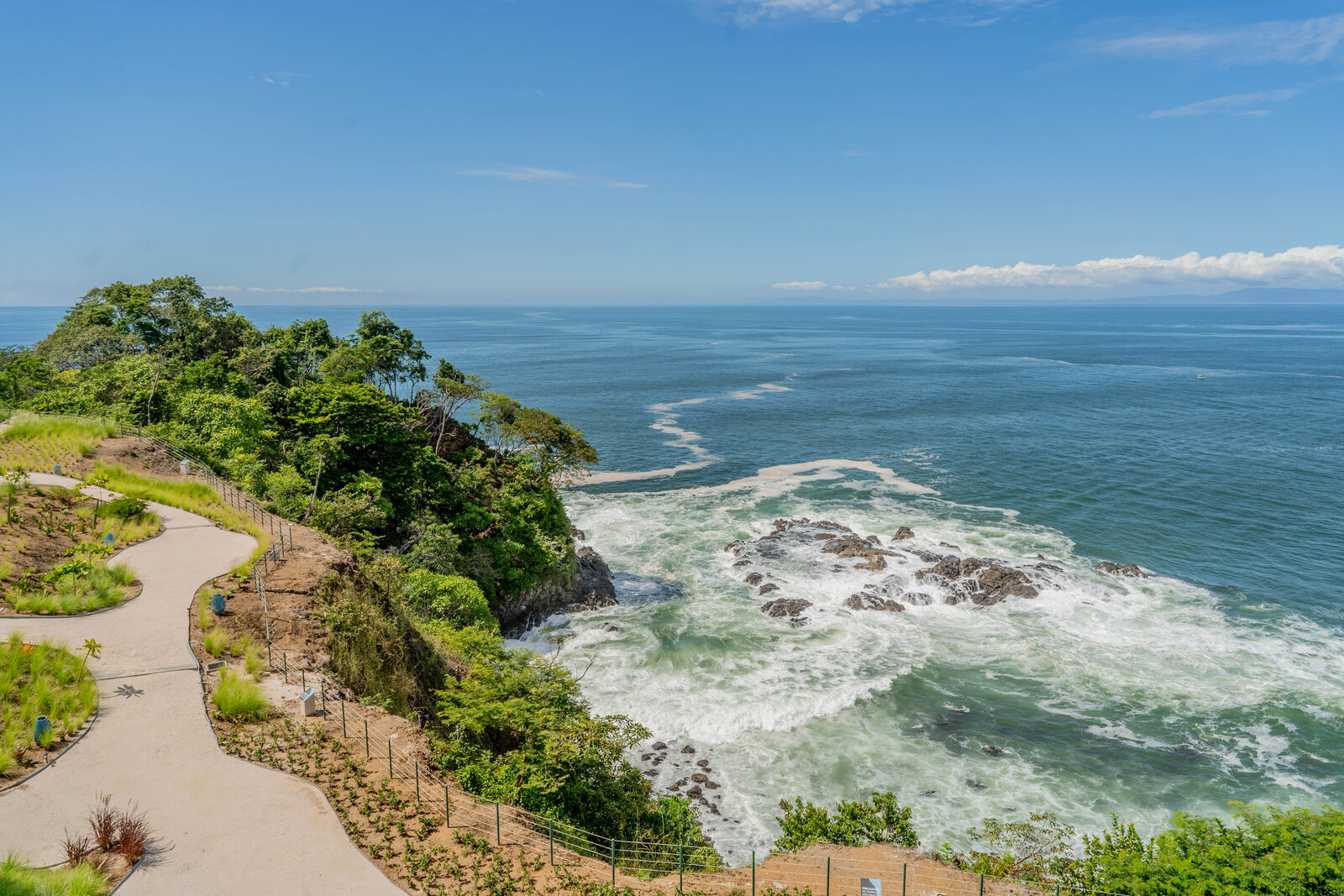
Costa Rica Rainy Season Travel Guide: Why Green Season Might Be Your Best Kept Secret
Most travelers book their Costa Rica trip between December and April. That’s peak season for a reason — sunshine, dry trails, and beaches that stay bone-white rather than turning the moody, dramatic gray that rainy season brings. But here’s what the peak-season crowds don’t tell you: the green season (May through November) transforms the country in ways that many visitors actually prefer.
I’ve talked to dozens of guests who initially hesitated at the idea of traveling during rainy season, then returned home converted. They’re not just saving money — they’re experiencing a Costa Rica that feels quieter, wilder, and genuinely more lush than the high-season version.
What Is Costa Rica’s Rainy Season Really Like?
First, let’s clear up a common misconception. The costa rica rainy season isn’t a monsoon that traps you indoors for weeks. Think of it more as a daily rhythm: morning sunshine, building clouds, and an afternoon thunderstorm that typically lasts one to three hours before clearing again. You’re still looking at five to seven hours of dry, usable daylight every single day.
The rains usually arrive between 2 and 5 pm, often as a dramatic downpour that empties the beach in minutes, then passes just as quickly. The air smells cleaner afterward. Everything turns an almost absurd shade of green within 24 hours.
Month-by-Month Breakdown
May & June are arguably the best green season months. The rains haven’t fully kicked into their regular afternoon pattern yet. You can typically find properties priced at roughly 25-35% off peak-season rates, though this varies significantly by property and booking timing.
July punches above its weight. Often called the “little summer,” July sees a two-to-three-week stretch with significantly reduced rainfall. Sunny mornings, minimal afternoon rain, and the Pacific coast starting to see larger surf swells. Rates during this popular shoulder month typically run around 20-30% off peak.
August & September are the wettest months, but also when the country is at its most spectacularly green. Waterfalls that dried to a trickle by April are thundering again. The rainforest feels primal. This is typically when you’ll find the lowest rates of the year, often 35-40% below peak-season pricing, though exact discounts vary by property.
October & November sees the wet pattern easing. November is a genuine transition month, with more sunny days and the landscape still vibrantly green. November pricing typically sits around 20-30% off peak, though rates climb fast as December approaches.
Regional Differences: Where to Go Based on Weather
Pacific Coast (Jacó, Los Sueños, Manuel Antonio): Follows the classic pattern — sunny mornings, rainy afternoons from May through November. Mornings are essentially guaranteed dry. You can do a surf lesson at 7 am, hike Carara National Park at 8 am, and be back by noon with the whole afternoon free. Los Sueños Resort operates fully year-round, so you’re never stuck indoors with nothing to do. The golf course at La Iguana typically stays lush thanks to year-round irrigation, and the jungle looks extraordinary in green season. If you’re looking for adventure activities, Manuel Antonio offers world-class hiking and wildlife spotting — just start early to beat the afternoon rain.
Central Valley (Escazú, San José): Sitting at around 4,000 feet elevation, this area enjoys temperatures in the 60s-70s°F year-round. Rainy season here feels more like gentle, consistent dampness than tropical downpours. The advantage? You’re within easy day-trip range of volcanoes, coffee plantations, and waterfalls that look spectacular in the rain.
Caribbean Coast (Puerto Viejo, Tortuguelo): Here’s the curveball — the Caribbean coast has its dry season during the Pacific’s rainy season. From September through October, the Caribbean sees significantly less rain. Tortuguero is best visited during green season; the canals are spectacularly lush and sea turtle nesting season runs from June through November.
What to Pack for Rainy Season
Packing for green season isn’t complicated, but it does require a few adjustments:
- Quick-dry clothing — synthetic fabrics dry in an hour; cotton takes forever
- A high-quality rain jacket — breathable, not a cheap poncho
- Waterproof sandals like Tevas or Chacos — you’ll wear these constantly
- Waterproof phone pouch or dry bag for beach days and waterfall visits
- Light layers for mornings and evenings, especially in the Central Valley
- Reef-safe sunscreen — required by law and you’ll need it
How Rain Affects Driving in Costa Rica
This is one of the biggest concerns I hear from guests, and it’s worth addressing honestly.
The main highways — especially Route 27 from San José to the Central Pacific — are modern, well-maintained toll roads that handle rain without issue. You’re not driving through the Amazon. The driving challenge during green season is more about reduced visibility during afternoon downpours.
Practical tips:
- Plan drives for morning. Leave by 7 or 8 am and you’re done before afternoon rains hit.
- If caught in heavy rain, pull over safely and wait it out. Costa Rican drivers are accustomed to downpours and will do the same.
- Avoid driving at night during green season. Roads without street lighting plus rain-slicked surfaces equals a combination to avoid.
- A 4WD is recommended year-round, but especially important in green season for more remote areas.
Activities That Work Better in Rain
Here’s the secret that converts rainy-season skeptics:
Rainforest tours are arguably better in green season. The rainforest is designed to handle rain. Trails might be muddier, but waterfalls are flowing and wildlife is more active. Carara National Park and Los Sueños’ private trails typically remain open, though may close briefly during severe storms.
Spa days don’t care about weather. Rainy season is the perfect time for uncrowded spa access. While everyone else watches the rain, you’re getting treatments without the peak-season rush.
Cooking classes are a year-round hit. There’s something special about learning to make ceviche while rain taps on the window.
Golf at La Iguana is genuinely better in green season. The course stays lush, the jungle looks extraordinary, and you play with fewer groups.
Sport fishing remains popular during green season. While sailfish season runs December through April, marlin fishing is active through much of the year, with many operators reporting good catches from June through October.
The Real Advantage: Pricing That Makes Sense
Let’s talk numbers. Peak season at a luxury property in Los Sueños or Jacó typically runs $300-600 per night. During green season, similar properties often drop to $180-350 — roughly 30-40% lower, though exact rates vary by property, timing, and booking platform. Browse our Jacó vacation rentals or Los Sueños villas to compare green season rates.
For a family of four in a three-bedroom villa, savings over seven nights can easily exceed $1,000, sometimes closer to $2,000. That’s before you factor in that activities and restaurants also tend to be slightly cheaper during green season.
The rule is simple: the rainier the month, the lower the rates. August and September are cheapest. November and May offer the best balance of price and weather.
Why Locals Love Green Season
Talk to anyone who lives in Costa Rica year-round, and they’ll tell you: green season is their favorite time. The country feels more relaxed, less rushed, more local. The beaches are empty. Restaurants don’t require reservations a week ahead.
The country is visibly healthier during green season. Rivers flow again. Waterfalls that disappear by March are back in full force by July. The landscape goes from golden to an almost neon green.
Making the Call: Is Green Season Right for You?
Green season isn’t for everyone. If you’re traveling with very young children who need predictable weather, or if your entire trip is built around lying on the beach from dawn to dusk, dry season is probably better.
But if any of these describe you, green season might be ideal:
- You’re flexible and don’t mind planning around afternoon rain
- You want to save 20-40% on accommodations without sacrificing quality
- You prefer fewer crowds and a more local experience
- You’re interested in wildlife, rainforest, and nature-based activities
- You want to see the country at its most lush and green
Costa Rica is a year-round destination. The rain isn’t a problem to be avoided — it’s part of the experience. And for many visitors, it’s the part that makes the trip feel genuinely different.
Frequently Asked Questions
Check out our complete guide to Costa Rica activities for more inspiration on what to do during your green season visit.
Ready to Experience Costa Rica Rainy Season Travel Guide: Your Complete 2026 Green Season Plan?
Book your Costa Rica vacation rental with Nest Stays and make this your base for it all.