Wildlife & Nature
Year-round (turtle nesting Jul-Dec)
About Wildlife & Nature in Costa Rica
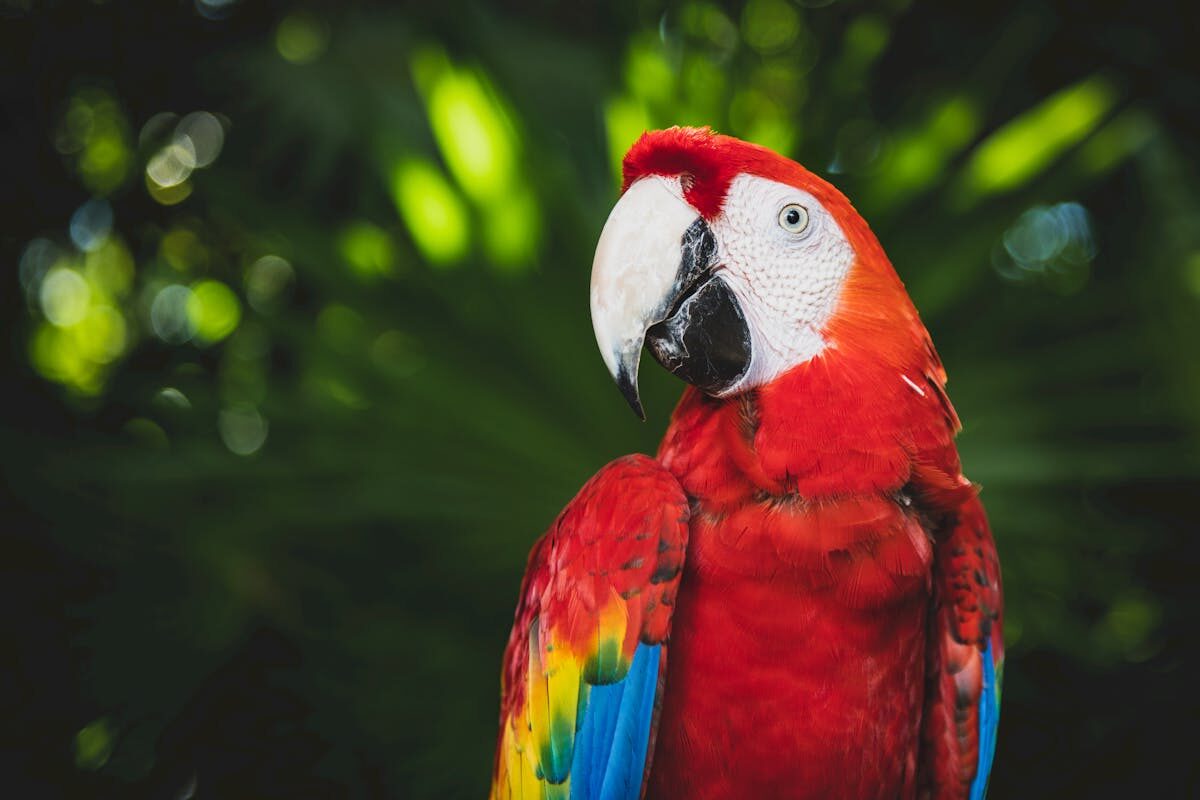
The Central Pacific sits in one of Costa Rica's richest biodiversity corridors, squeezed between the Pacific Ocean and the Talamanca Mountains. Carara National Park to the south is the northernmost range for scarlet macaws and the southernmost for several dry-forest species, creating a unique transition zone packed with wildlife. Olive ridley sea turtles nest on Playa Hermosa's protected beaches. Howler and capuchin monkeys patrol the canopy. Crocodiles sun themselves on the Tárcoles River banks. Sloths hang motionless in cecropia trees, and morpho butterflies the size of your hand flash electric blue through the forest.
Where to Experience Wildlife & Nature
Explore wildlife & nature across our Central Pacific destinations
Los Sueños
View Details →Los Sueños Resort is built into rainforest, so wildlife encounters happen daily without leaving the property. Scarlet macaws fly over the golf course in pairs; morning and late afternoon are most reliable. Three-toed sloths live in trees near villas and the beach club. Howler monkeys wake you at dawn with territorial roars that sound like something from Jurassic Park. White-faced capuchin monkeys travel through in troops, occasionally raiding terraces for fruit. Resort naturalist guides offer free wildlife walks for guests. Carara National Park is 15 minutes away for guided birding and croc-spotting at the Tárcoles River bridge.
Jacó
View Details →Jacó is the base camp for wildlife tours to Carara National Park and mangrove kayaking in the estuaries south of town. Carara's primary rainforest trails offer guaranteed scarlet macaw sightings (early morning is best) plus poison dart frogs, agoutis, and over 400 bird species. The Tárcoles River bridge (20 minutes south of Jacó) has 12-15 massive American crocodiles visible from the roadside, some exceeding 15 feet. Mangrove kayak tours launch from nearby estuaries, paddling through tangled roots where herons, kingfishers, and caimans hunt. Tour operators in Jacó run all these excursions with naturalist guides.
Playa Hermosa
View Details →Playa Hermosa's claim to wildlife fame is the protected olive ridley sea turtle nesting beach. From July through December, female turtles crawl ashore at night to dig nests and lay eggs. Guided nighttime turtle-watching tours operate through local conservation groups; book through your property manager or connect with @ReservePlayaTortuga on Instagram. Baby turtle releases happen at dawn in October-November and are magical. The beach is a critical nesting site, so respect roped-off areas and never use flashlights or phone lights near nesting turtles. Beyond turtles, the coastal forest backing the beach has monkeys, sloths, and excellent birding.
Herradura
View Details →Herradura's position between Los Sueños and Carara gives easy access to both resort-based wildlife (macaws, monkeys, sloths) and national park day trips. The hills above Herradura Bay have resident howler monkey troops that vocalize at dawn and dusk. Iguanas are everywhere, basking on rocks and sidewalks. The bay itself attracts pelicans, frigatebirds, and seasonal humpback whales (July-October and December-March). For serious wildlife excursions, Carara National Park is a 10-minute drive; go early (7am) with a guide to see macaws, toucans, and forest mammals before the heat sets in.
Santa Teresa
View Details →Santa Teresa sits within one of the Nicoya Peninsula's richest wildlife corridors. Howler monkeys are a daily presence: their dawn roars carry across the jungle canopy backing the beach and through hillside property grounds. White-faced capuchin and spider monkeys travel through beachside trees regularly. Tropical birds are abundant at dawn: scarlet macaws, parrots, and dozens of coastal species. Iguanas bask throughout the village. For sea turtles, Montezuma and Cabo Blanco beaches to the south (30-45 minutes) have active nesting sites. Cabo Blanco Absolute Nature Reserve (Costa Rica's oldest protected area) sits at the southern tip of the peninsula and offers the highest species density in the region with pristine primary forest trails and isolated beaches accessible only on foot.
Related Guides
In-depth articles to help you plan your wildlife & nature trip

Crocodile Bridge & Tárcoles River Day Trip from Jacó: Complete Visitor Guide
Everything you need to know about the crocodile bridge tour from Jacó — tour operators, pricing, what to expect, safety tips, and how to combine it wi...
Read Guide →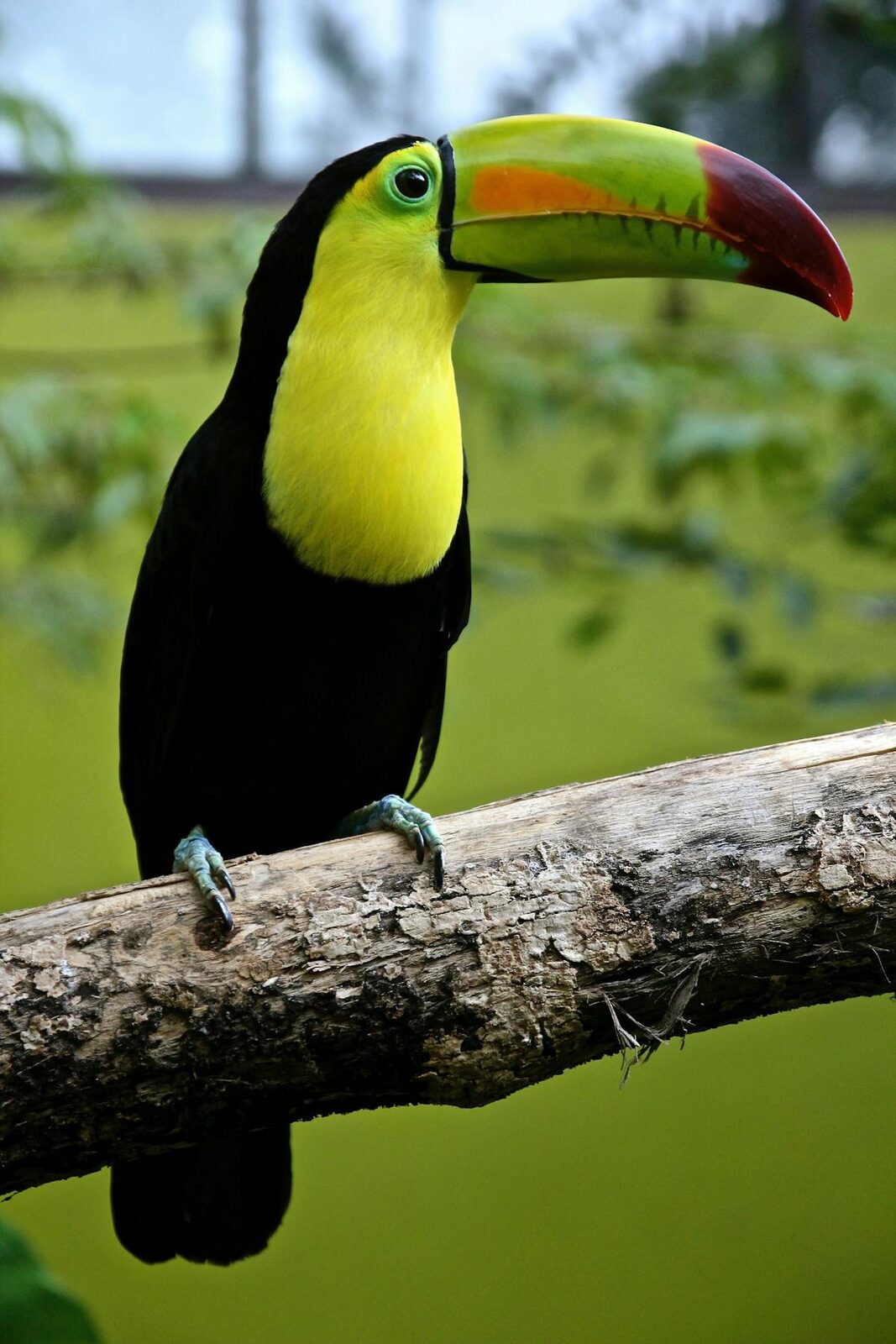
Tárcoles Crocodile Bridge Guide: See Giant Crocodiles Near Jacó
Your complete guide to visiting the famous Tárcoles crocodile bridge in Costa Rica, bridge viewing, boat tours, wildlife, safety tips, and nearby attr...
Read Guide → Carara National Park: A Visitor's Guide from Jacó & Los Sueños
Scarlet macaws, crocodiles, howler monkeys, and one of the most biodiverse trails in Costa Rica — 25 minutes from Jacó. Here's how to make the most of...
Read Guide → Insider Tips
Early morning (6-8am) is prime time for wildlife activity: monkeys are feeding, birds are most vocal, and you'll avoid the heat. Afternoon tours see less wildlife but can be more comfortable temperature-wise.
Hire a naturalist guide for Carara National Park or mangrove tours. You'll see 3-4x more wildlife with an expert who knows calls, nests, and animal behavior. DIY hiking is fine, but guides transform the experience.
For sea turtle watching at Playa Hermosa, book through official conservation groups only; they follow protocols that protect nesting turtles. Avoid unlicensed guides who use flashlights or disturb turtles for better photos.
Frequently Asked Questions
What wildlife can you see in Costa Rica's Central Pacific? +
When is the best time to see scarlet macaws in Costa Rica? +
How much does a wildlife tour cost in Costa Rica? +
Can you see sloths in Jacó and Los Sueños? +
Where can you see crocodiles in Costa Rica near Jacó? +
When is sea turtle nesting season in Costa Rica? +
Do I need a guide to see wildlife in Costa Rica? +
What should I bring on a wildlife tour in Costa Rica? +
Wildlife & Nature Starts at Your Front Door
Our concierge books the best wildlife & nature experiences before you arrive: charters, guides, gear, everything. You just show up.