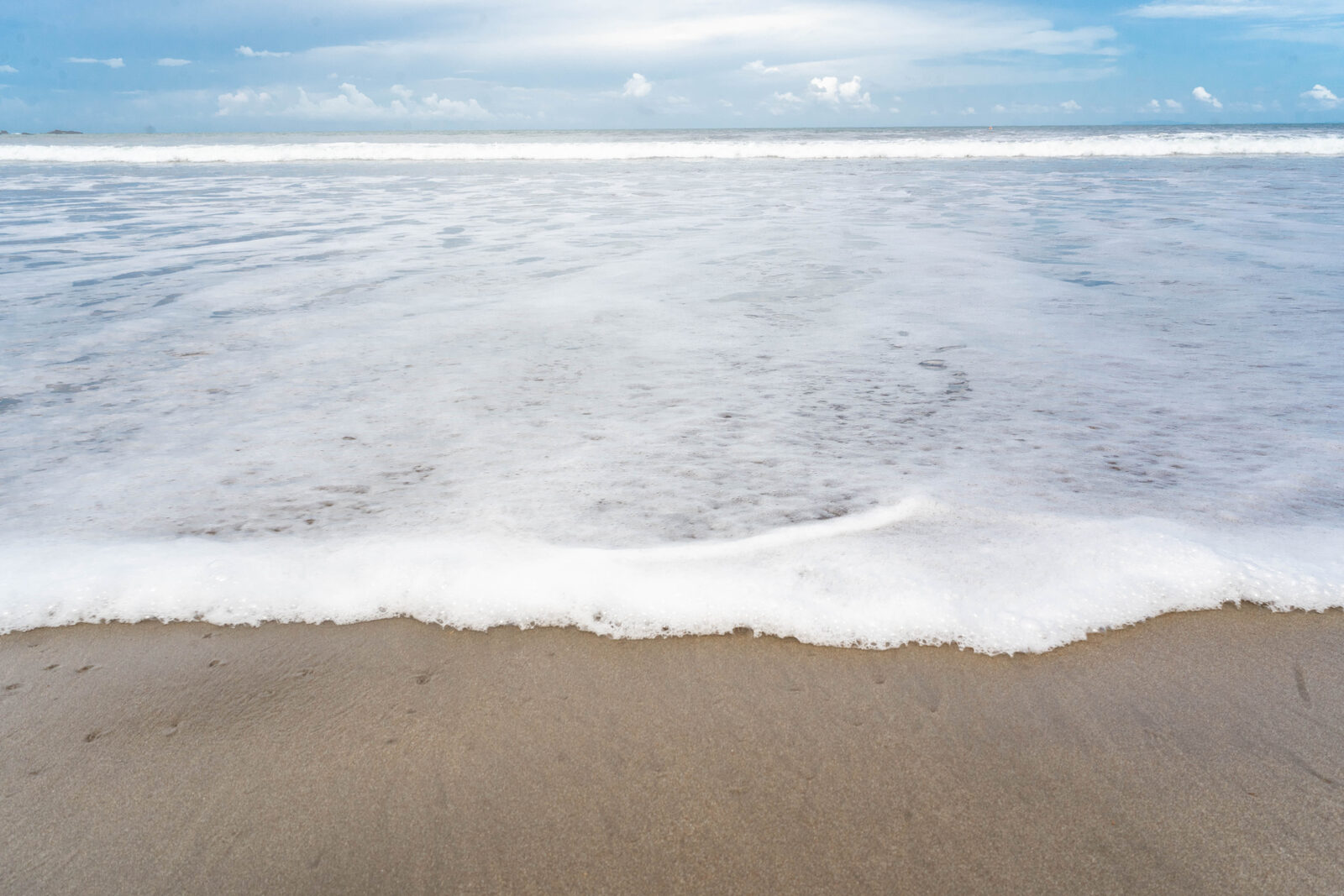
Beaches
Year-round
About Beaches in Costa Rica
Each beach in the Central Pacific has its own personality and purpose. Jacó is the long, accessible, action-oriented beach: consistent surf, walkable town access, and social energy. Playa Hermosa is wilder and more powerful, with championship surf breaks and sea turtle nesting. Herradura Bay offers the region's calmest swimming water, sheltered from big swells and ideal for families. All three have dark volcanic sand, warm water year-round, and west-facing orientations delivering spectacular Pacific sunsets.
Where to Experience Beaches
Explore beaches across our Central Pacific destinations
Jacó
View Details →Jacó Beach stretches 2.5 miles with different zones serving different purposes. The north end (toward Los Sueños) has gentler surf, fewer crowds, and better swimming conditions. The central section in front of town is surf-central: beach break peaks, surf schools, and board rentals every 50 feet. The south end near the Costanera bridge gets bigger waves and attracts more advanced surfers. The beach is fully public with multiple access points, so you can walk the entire length. Expect dark volcanic sand (it gets hot midday; bring sandals), consistent year-round waves, and a working surf beach vibe rather than pristine postcard scenery. Sunsets are spectacular viewed from beachfront bars with a cold beer.
Playa Hermosa
View Details →Playa Hermosa is a long, straight, powerful beach best known for championship-level surf and olive ridley sea turtle nesting. The waves here are bigger, faster, and more hollow than Jacó. This is an intermediate-to-advanced surf beach, not a learn-to-swim destination. The beach itself is less developed, with palms backing the sand and fewer crowds even during peak season. During turtle nesting season (July-December), sections of the beach are roped off and monitored by conservation groups. The vibe is quieter and more nature-focused than Jacó's party energy. Early morning walks often reveal fresh turtle tracks from overnight nesting. Sunsets are unobstructed and cinematic.
Herradura
View Details →Herradura Bay is the Central Pacific's rare calm-water beach: a crescent-shaped bay sheltered from big Pacific swells, making it ideal for swimming, paddle boarding, and families with young kids. The water is swimmable year-round without battling surf. Local Costa Rican families drive from San José on weekends specifically for this gentle water access. The beach has beachfront restaurants serving fresh fish under palapas, public facilities, and parking. It's less scenic than wild coastlines but far more functional for actual ocean swimming. The bay faces west for sunset views over the Pacific. Weekends during dry season (January-April) get crowded with Josefino families; come early for parking and shade, or visit weekdays for a quieter experience.
Related Guides
In-depth articles to help you plan your beaches trip
Playa Hermosa Costa Rica: Surf Reserve, Turtle Nests & the Beach Costa Rica Doesn't Advertise
Playa Hermosa holds the title of Central America's first World Surfing Reserve, yet it stays deliberately under the radar. Here's what you actually ne...
Read Guide →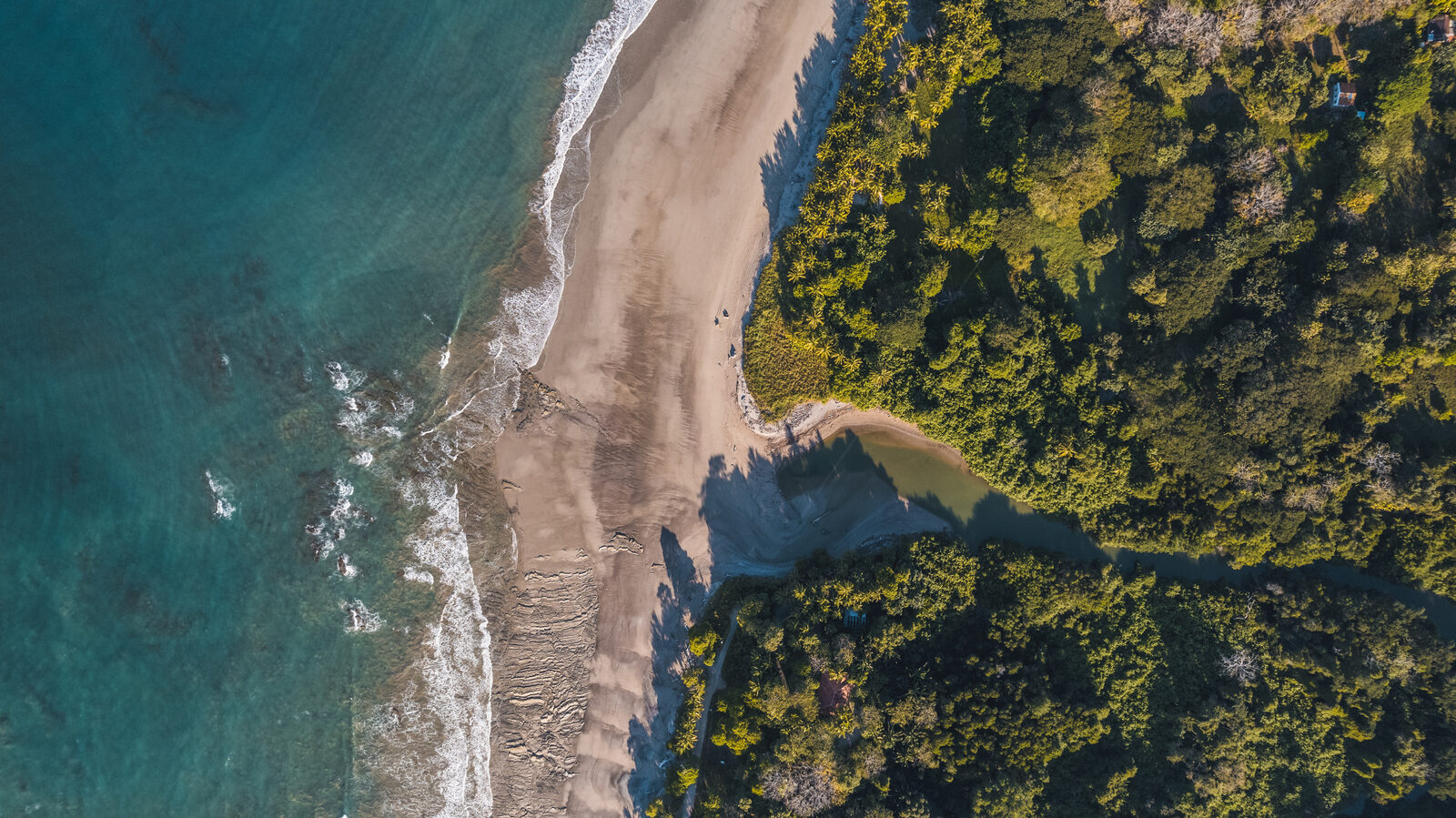
Jacó Beach Guide: Swimming, Tides & Safety (2026)
Practical guide to swimming safely at Jacó Beach, Costa Rica. Learn about tide patterns, rip currents, best times to swim, and beach safety tips....
Read Guide →Jacó Beach House Rental Guide — Find Your Perfect Costa Rica Getaway
Everything you need to know about renting a beach house in Jacó, Costa Rica — neighborhoods, pricing, what to look for, and how to book....
Read Guide → Insider Tips
All Central Pacific beaches have strong currents and riptides; even calm-looking water can have undertows. Swim parallel to shore if caught in a rip current, never fight directly back to beach. Lifeguards are rare outside of Jacó's central beach.
Dark volcanic sand gets scorching hot in midday sun. Bring sandals or water shoes, and stake out a palapa or shaded spot early. Mornings (before 11am) and late afternoons (after 3pm) are more comfortable for beach time.
Theft happens on Central Pacific beaches; don't leave valuables unattended while swimming. Bring only what you need, use hotel safes for passports and electronics, and keep an eye on your belongings or leave someone with the group's stuff.
Frequently Asked Questions
Which beach is best for swimming in the Central Pacific? +
Can you swim at Jacó Beach? +
Why is the sand black in Costa Rica? +
Are Costa Rica beaches public? +
What time is sunset at the beach in Costa Rica? +
Are there sharks in Costa Rica beaches? +
Can you bring alcohol to the beach in Costa Rica? +
What should I bring to the beach in Costa Rica? +
Surf Schools in Jacó & Playa Hermosa
Jacó has more surf schools per kilometer of beach than almost anywhere in Central America. All five below have been verified directly from their official websites or confirmed third-party listings. Prices reflect 2025–2026 published rates; confirm current pricing when booking.
| School | Location | Group Lesson | Private Lesson |
|---|---|---|---|
| Surfer Factory | Jacó Beach | $49 / person | $59–80 / person |
| Beach Break Resort | Jacó Beach | $50 / person | — |
| Jaco Luxe | Jacó Beach | from $55 / person | — |
| Tortuga Surf Camp | Jacó Beach | $60 / person (3+) | $80 / person |
| Surfing Lessons Jaco | Jacó / Playa Hermosa | $70 / person | $140 / person |
What every lesson includes: Surfboard, rash guard, and leash. Certified instructor in the water with you. Water is 80–85°F year-round — no wetsuit needed. Just show up in a swimsuit with reef-safe sunscreen.
Which school fits your trip
Surfer Factory — Smallest Budget
$49 for a group lesson. ISA-certified instructors, a money-back guarantee (stand up on your first wave or lesson is free), and a full surf shop on site. They also run trips to Playa Hermosa for advancing surfers. Instruction in English, Spanish, and German.
Beach Break Resort — Best If You're Already There
$50 for hotel guests at the front desk. Lessons happen right in front of the property on the beach break. No online walk-in booking — arrange on arrival or as part of a resort stay.
Tortuga Surf Camp — Most Flexible
Tiered pricing from $60/person (3+) to $80/private. Since 2007. Includes video review for technical feedback, professional photography, and paddleboard tours. Kids under 12 must book private. Minimum age 6.
Surfing Lessons Jaco — Most Added Perks
$70 group / $140 private. Free hotel pickup, free board use for 24 hours after your lesson. Operates in Jacó for beginners and Playa Hermosa for intermediate/advanced.
Jaco Luxe — Activity Bundles
From $55. Primarily a concierge and activities operator. Can bundle surf lessons with horseback riding, ATV tours, or massage. Cash payments get a better rate; credit card may add a fee.
When to book
December – April (Dry Season)
Smaller, cleaner swells and consistent day-to-day conditions — better for first-timers. Peak season, so book 1–2 days in advance.
May – November (Rainy Season)
Bigger swells from South Pacific storms, more powerful waves — ideal for intermediate and advanced. Mornings are usually clear before afternoon rain. Same-day or next-day booking often available.
Book morning sessions (6–9am) whenever possible — offshore winds create the cleanest conditions before onshore winds pick up around 10am.
Playa Hermosa is a different world. The beach break is hollow, fast, and powerful — it hosts Costa Rica's national surf championships. Most schools run beginner lessons at Jacó Beach and reserve Playa Hermosa for intermediate and advanced students. If a school offers to take you to Playa Hermosa for your first lesson, ask to start in Jacó instead. Hermosa's shorebreak is not forgiving for first-timers.
For more on surf breaks and what to expect in the water, see our Surfing in Jacó guide and Surf Lessons Pricing guide.
Ready to Beaches?
Book the best beaches experiences in Costa Rica — or find the perfect vacation rental to come home to after a great day out.
Beaches Starts at Your Front Door
Our concierge books the best beaches experiences before you arrive: charters, guides, gear, everything. You just show up.